

Free resources
Psychology: people and concepts
The thinkers and ideas behind the work.
These resources are for general education and self-reflection and do not replace professional psychological care. Accessing, downloading or using them does not establish a psychologist–client relationship with Barnardt & Fleming Clinical Psychology.
Influential people 34
-
 Preview
Learn
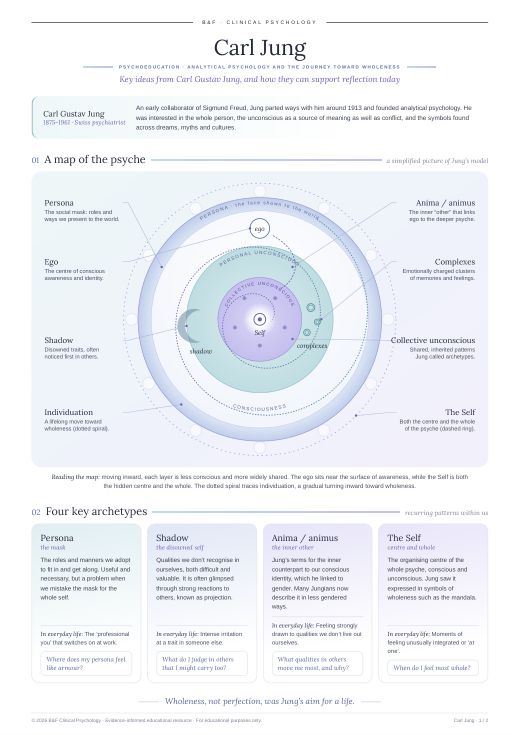
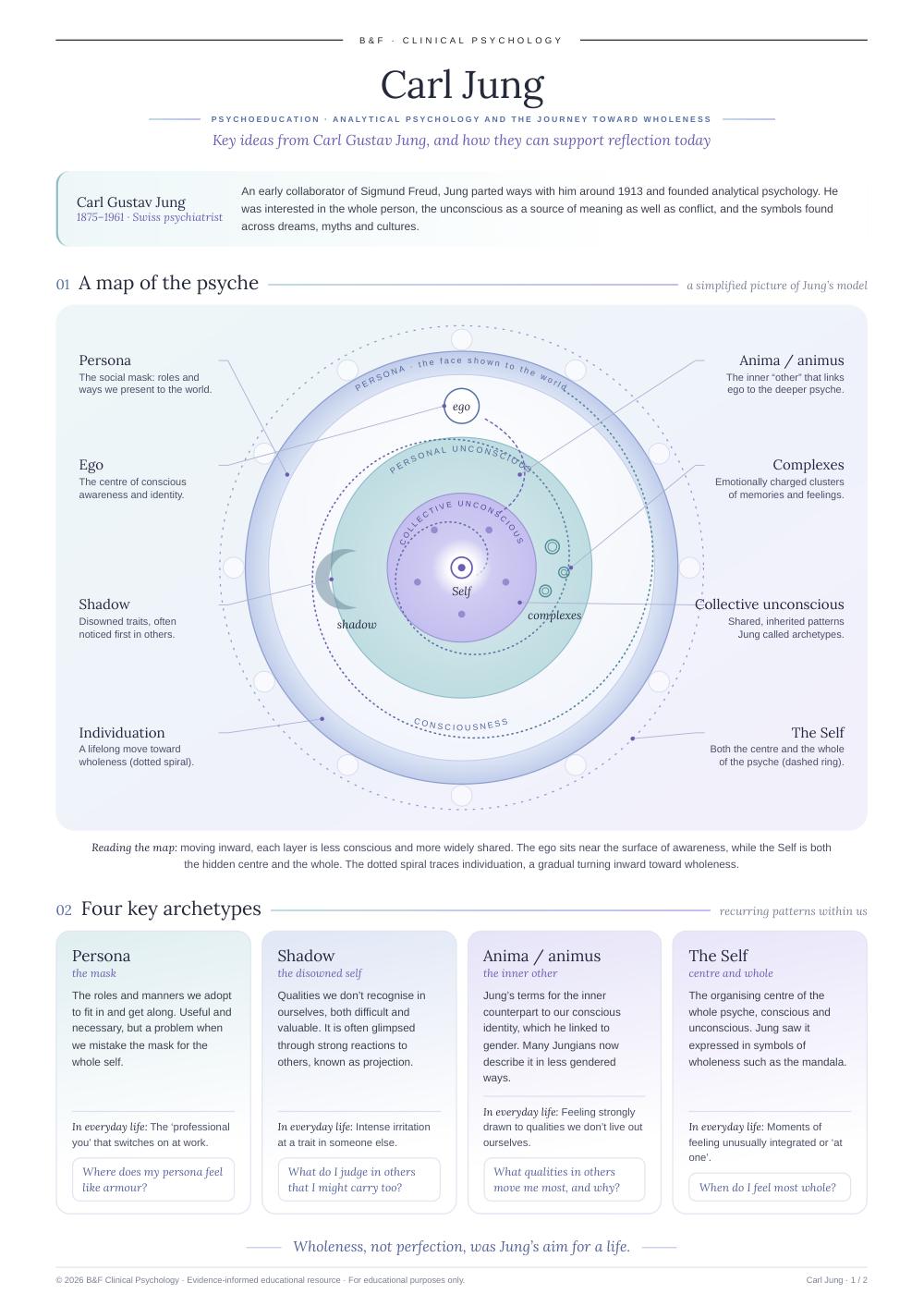
Carl Jung: a map of the psyche
Analytical psychology and the journey towards wholeness.
-
 Preview
Learn
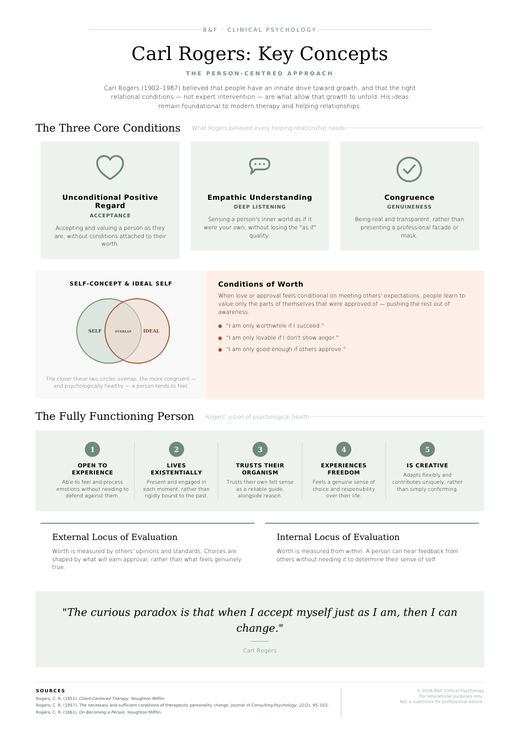
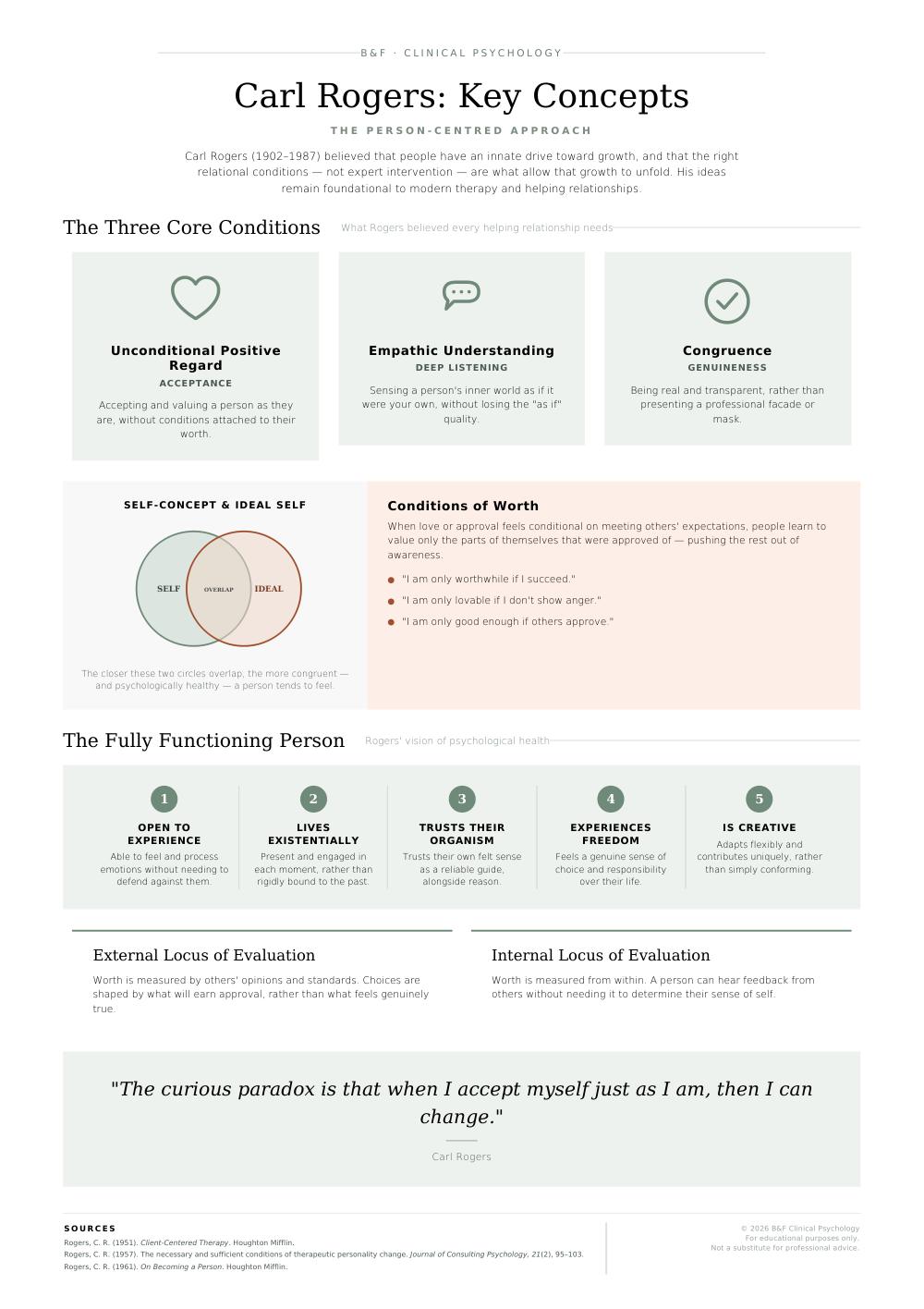
Carl Rogers: key concepts
The person-centred approach: the relational conditions that let people grow.
-
 Preview
Learn
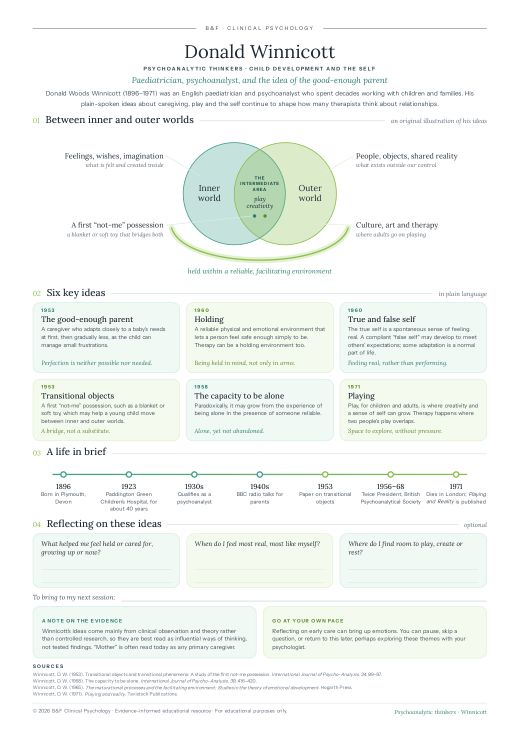
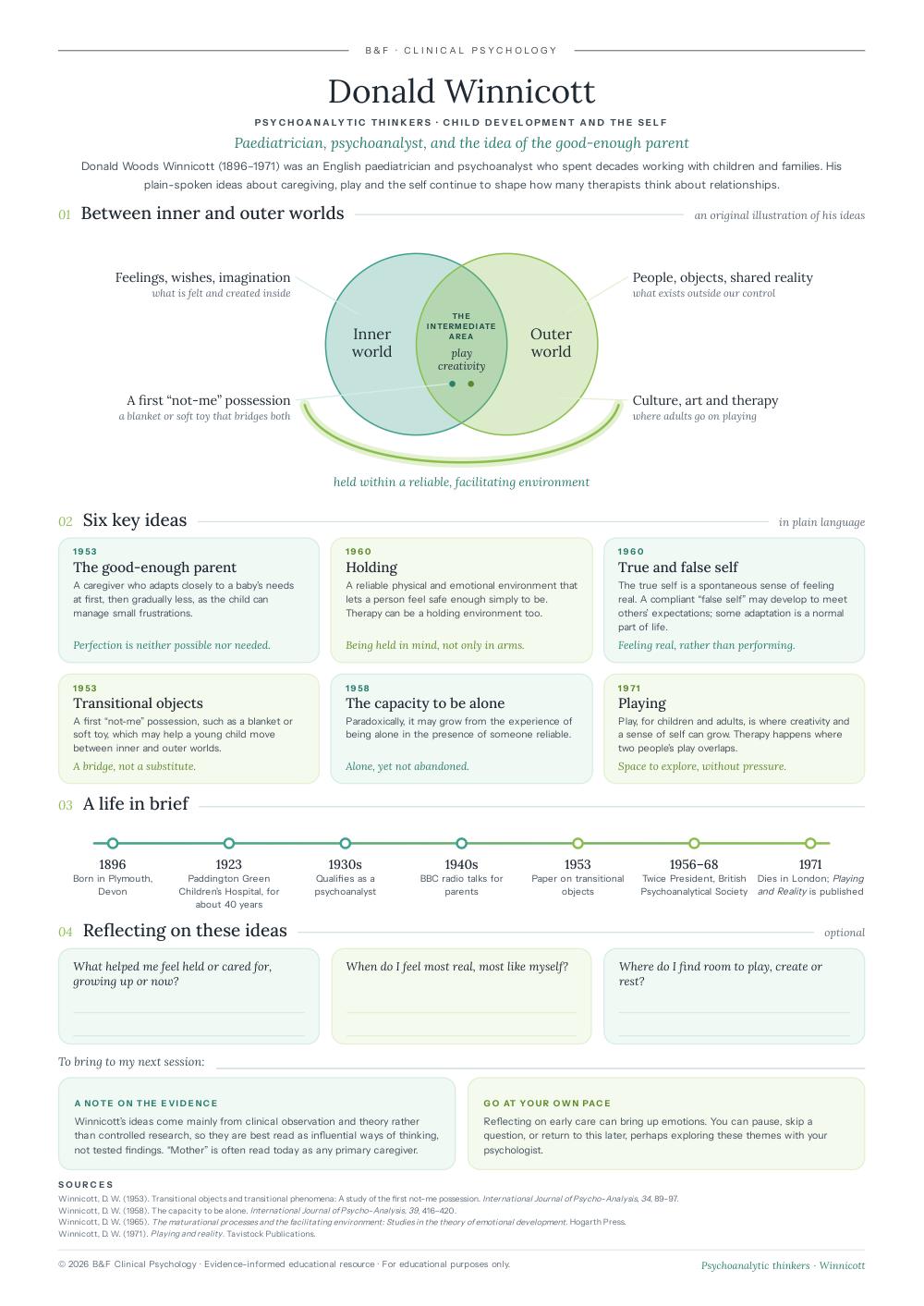
Donald Winnicott: the space between
The paediatrician and psychoanalyst who said there is no such thing as a baby, only a baby with someone caring for them.
-
 Preview
Learn
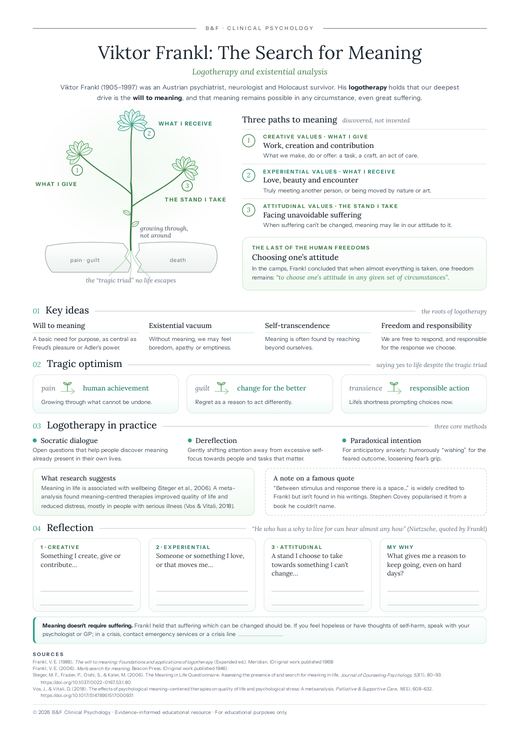
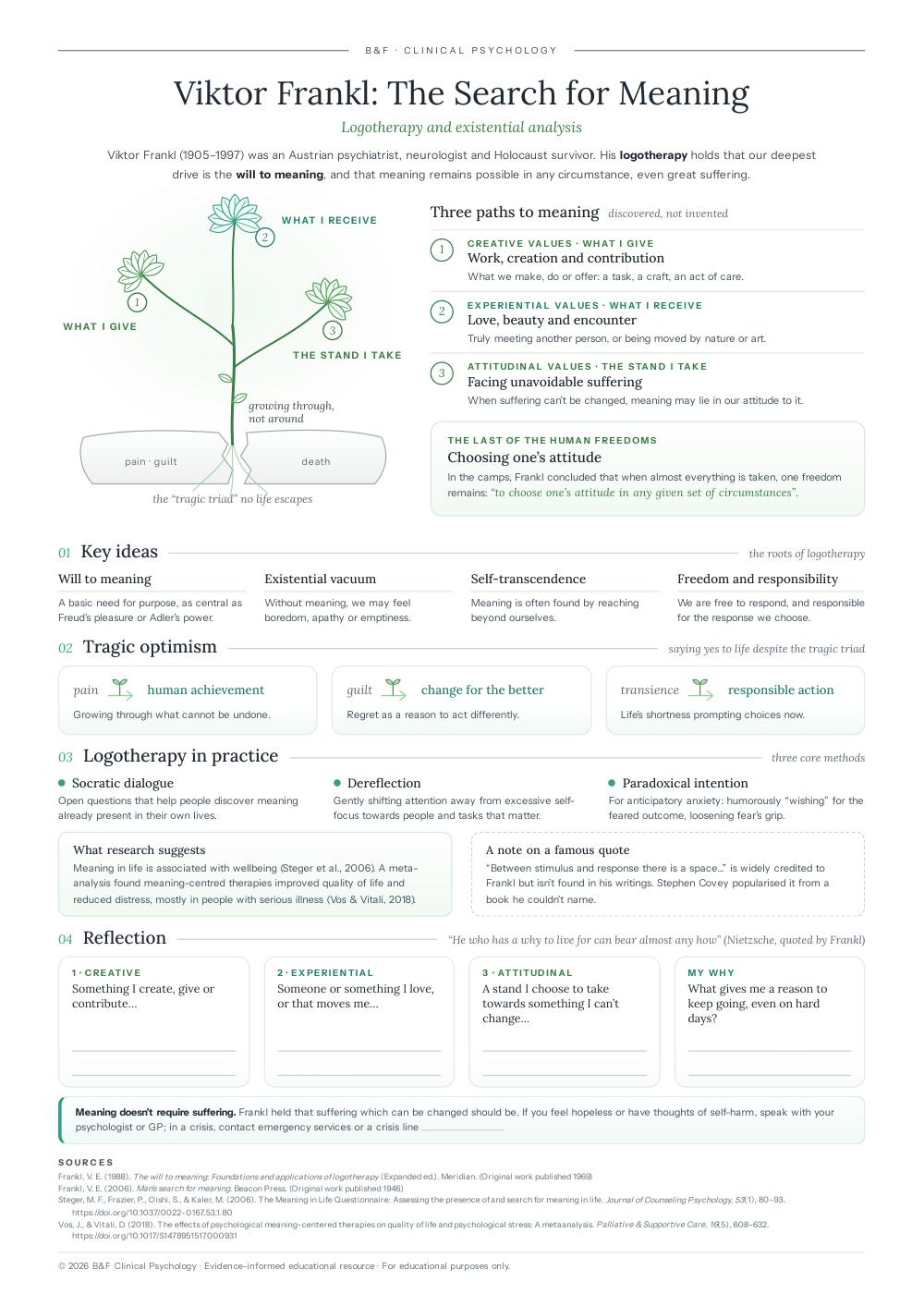
Viktor Frankl: the search for meaning
Logotherapy, and the case that the primary human drive is meaning, not pleasure.
-
 Preview
Learn
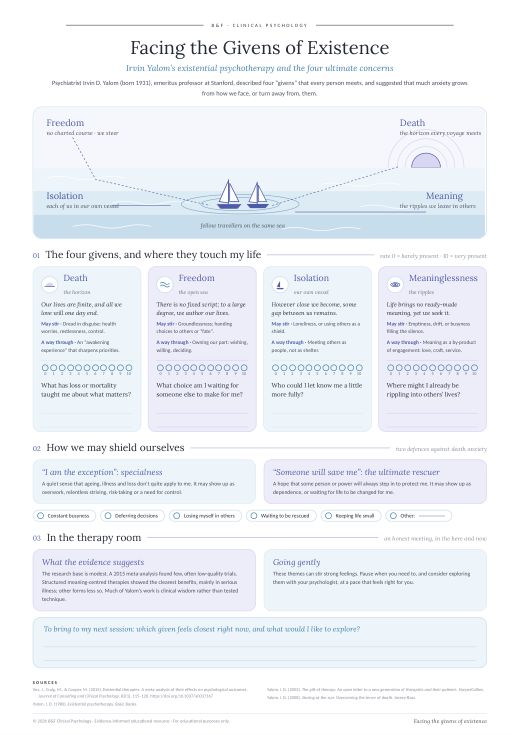
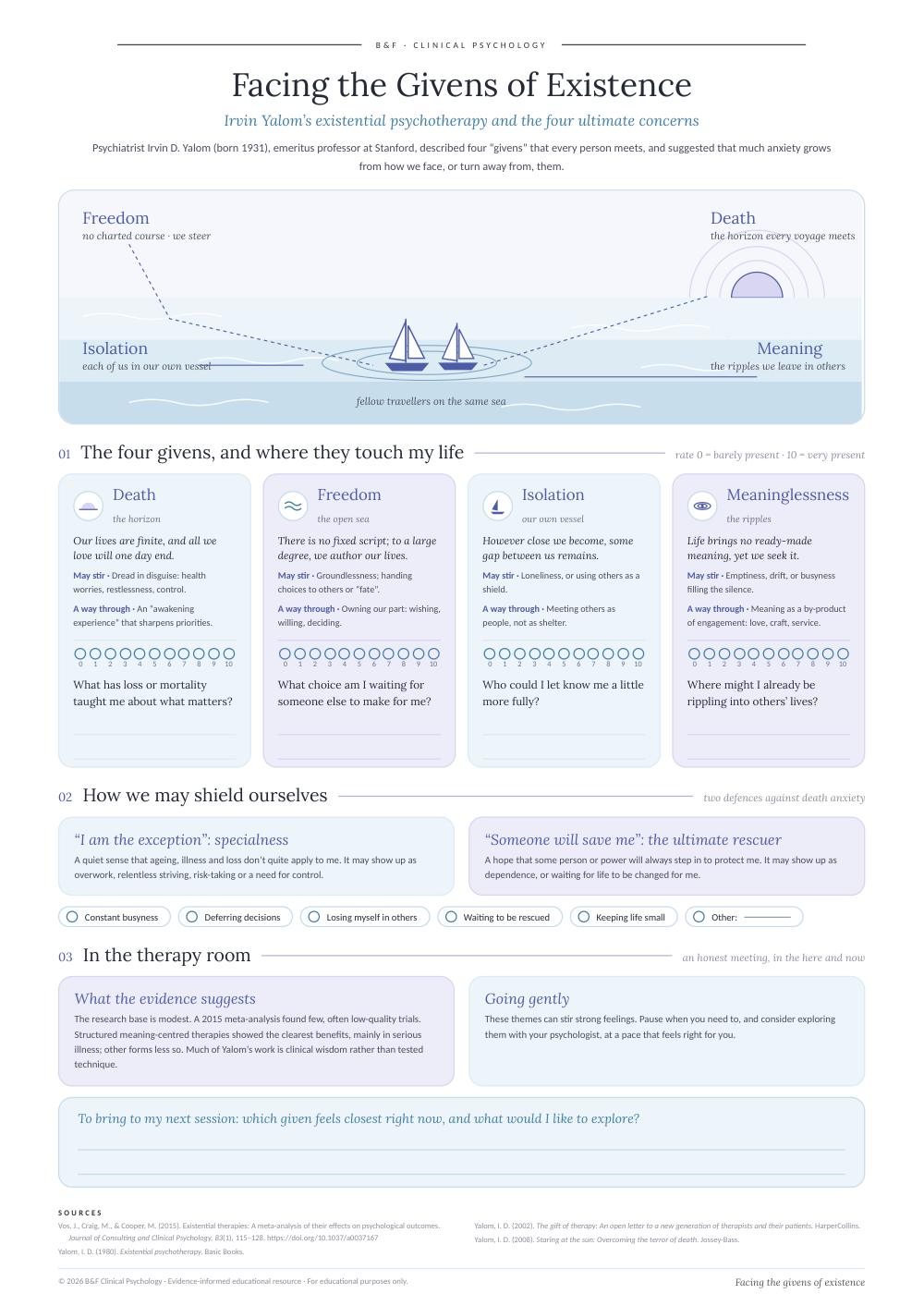
Irvin Yalom: facing the givens of existence
Facing the givens of existence: the four ultimate concerns every person meets.
-
 Preview
Learn
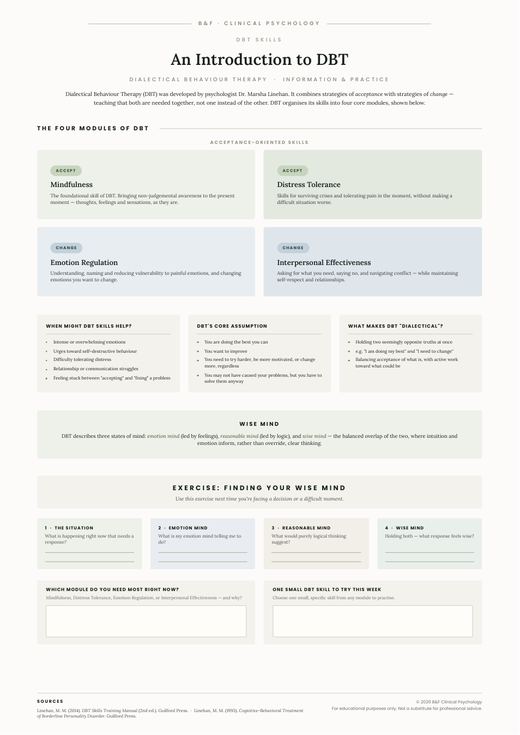
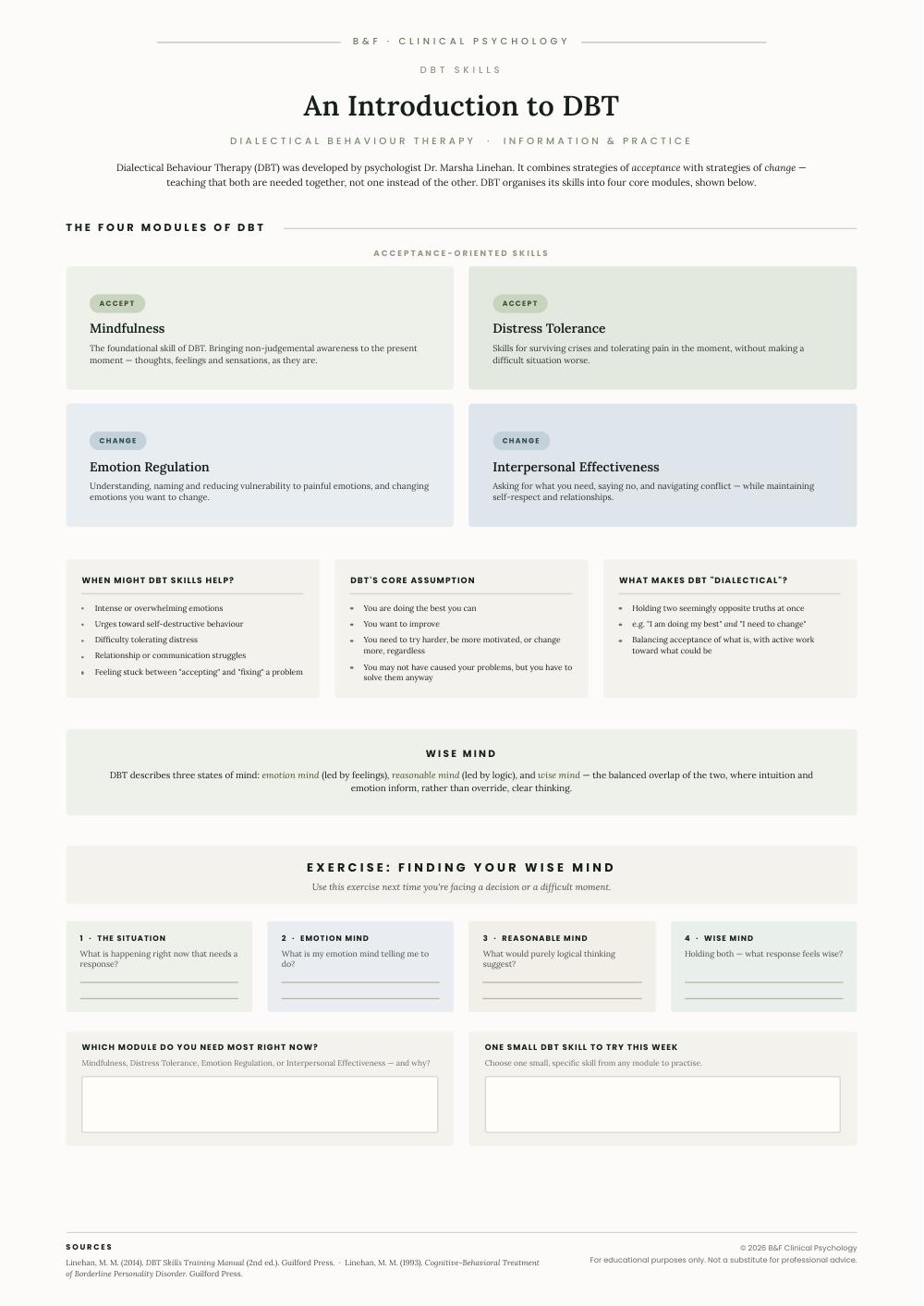
Marsha Linehan: an introduction to DBT
Where dialectical behaviour therapy came from, and the skills it teaches.
-
 Preview
Learn
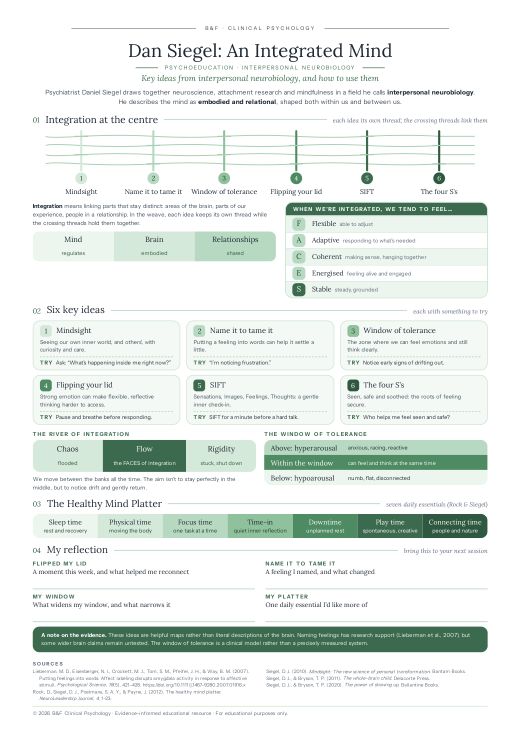
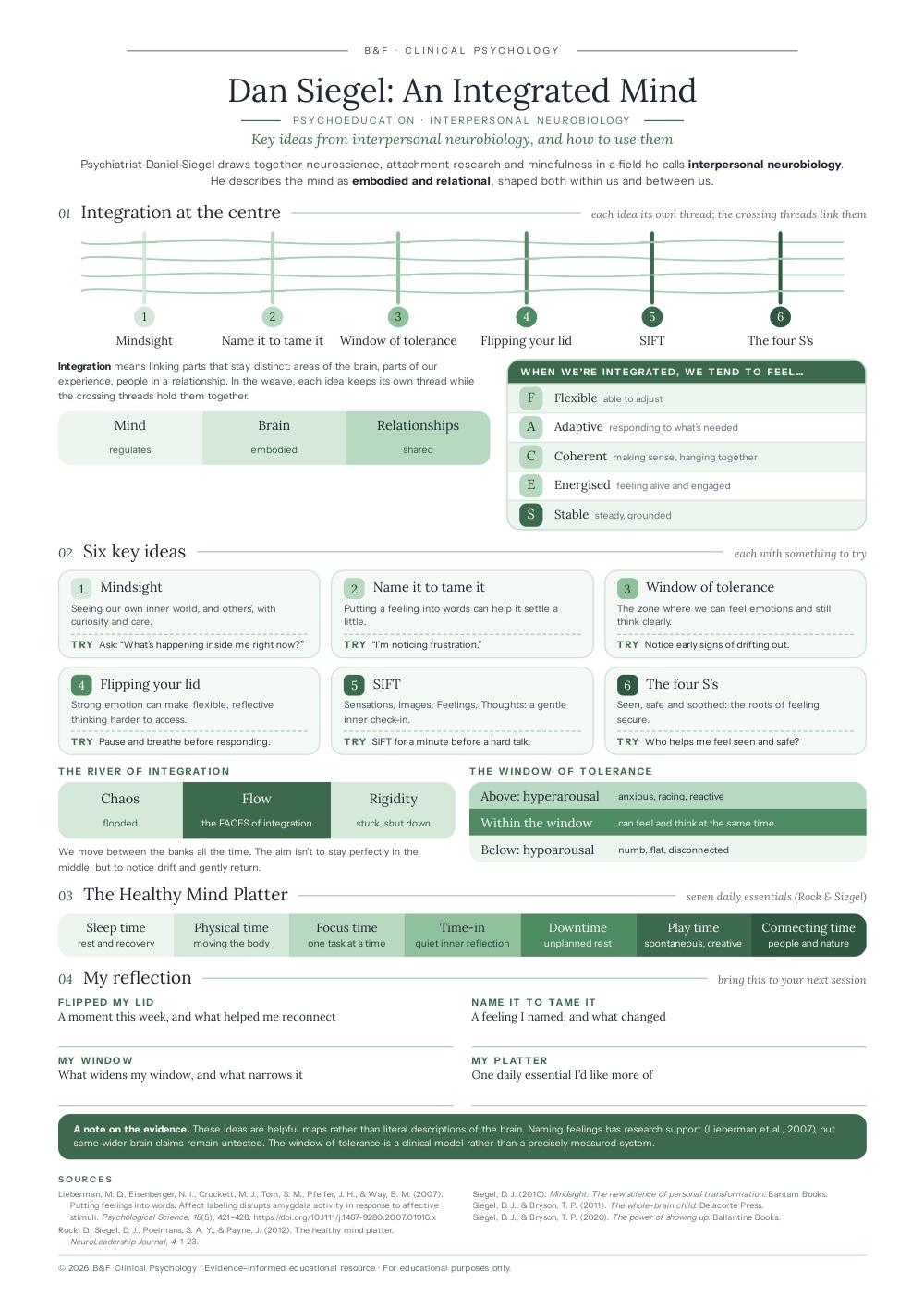
Dan Siegel: an integrated mind
Key ideas from interpersonal neurobiology, and how to use them.
-
 Preview
Learn
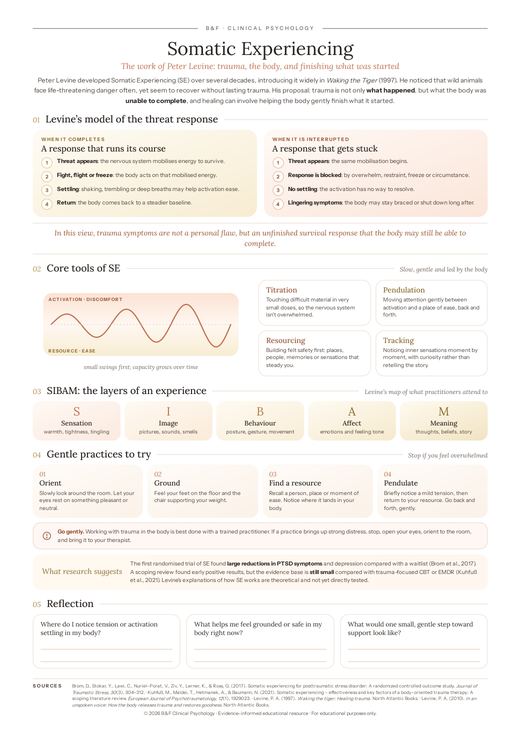
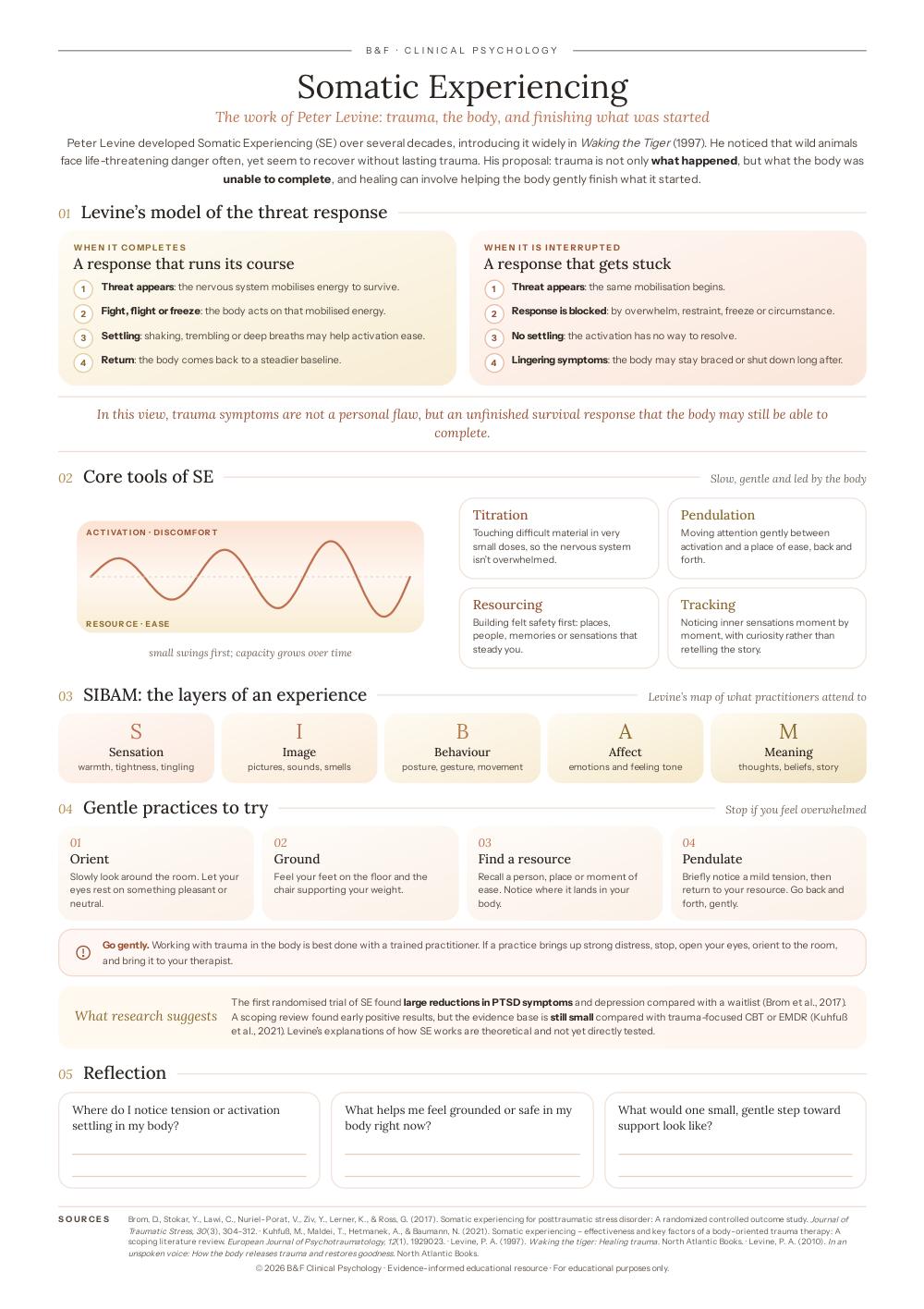
Peter Levine: somatic experiencing
Trauma and the body: five decades of work on how the nervous system completes what it began.
-
 Preview
Learn
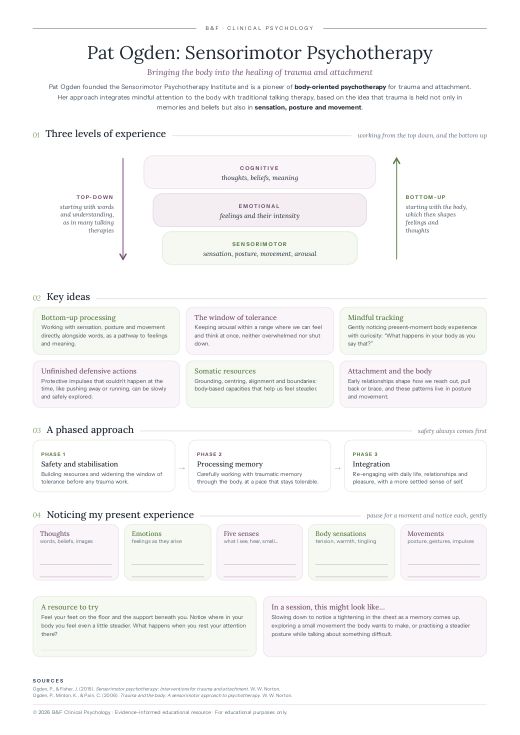
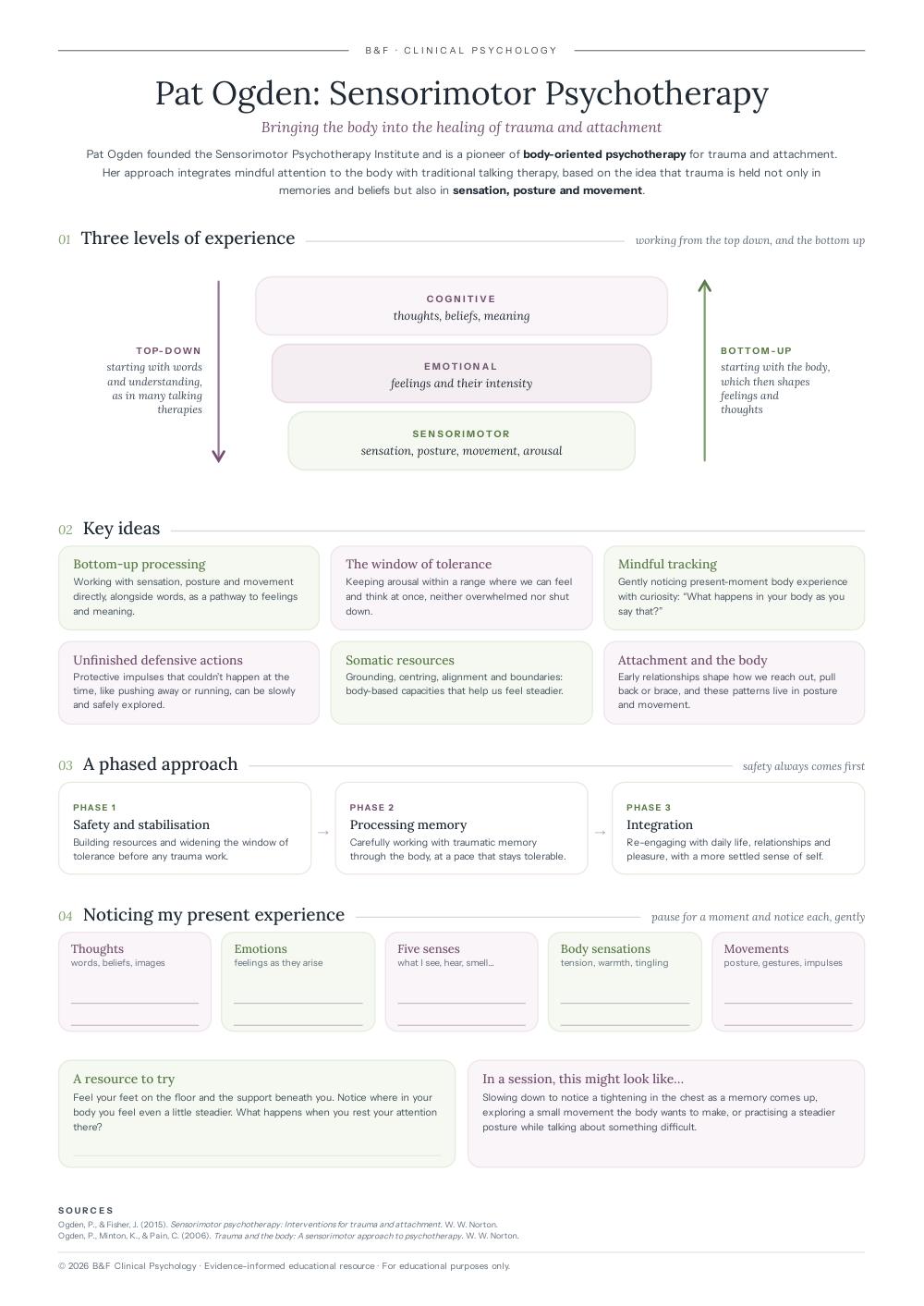
Pat Ogden: sensorimotor psychotherapy
Bringing the body into the healing of trauma and attachment.
-
 Preview
Learn
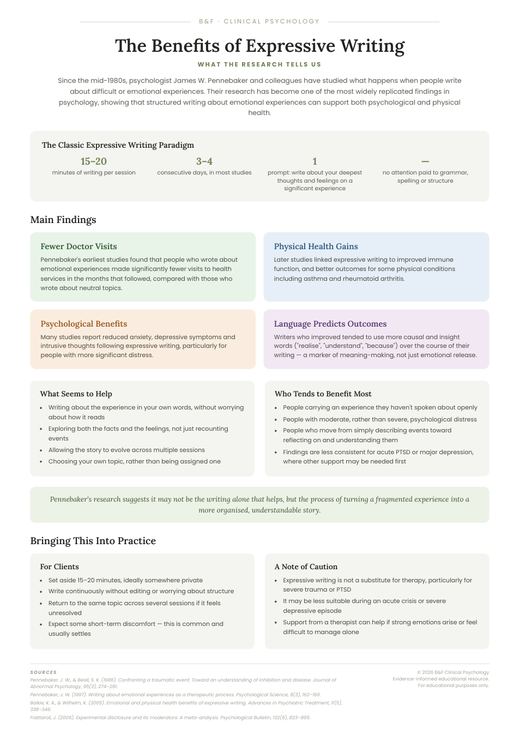
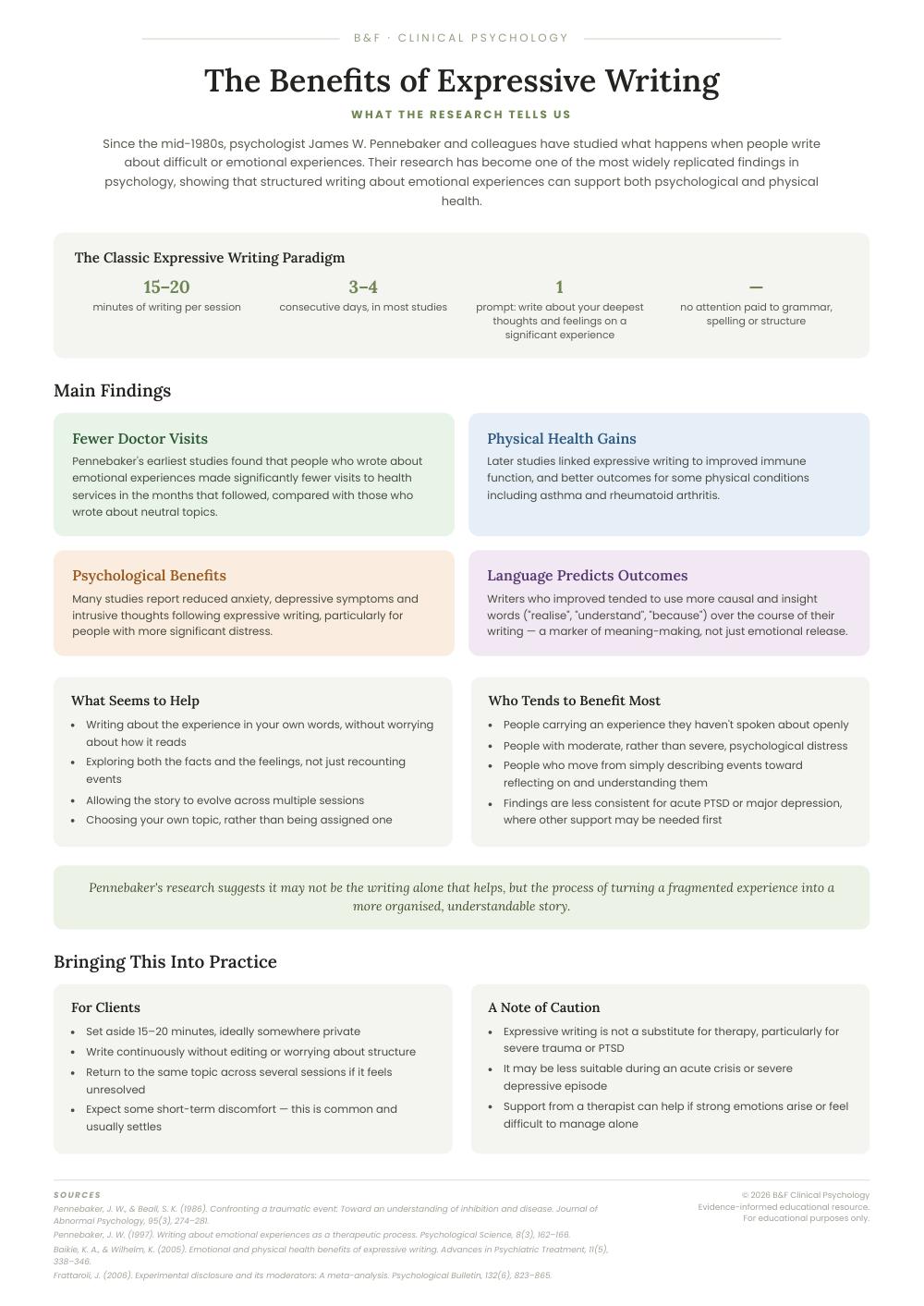
James Pennebaker: the benefits of expressive writing
What forty years of research say happens when people write about what hurts.
-
 Preview
Learn
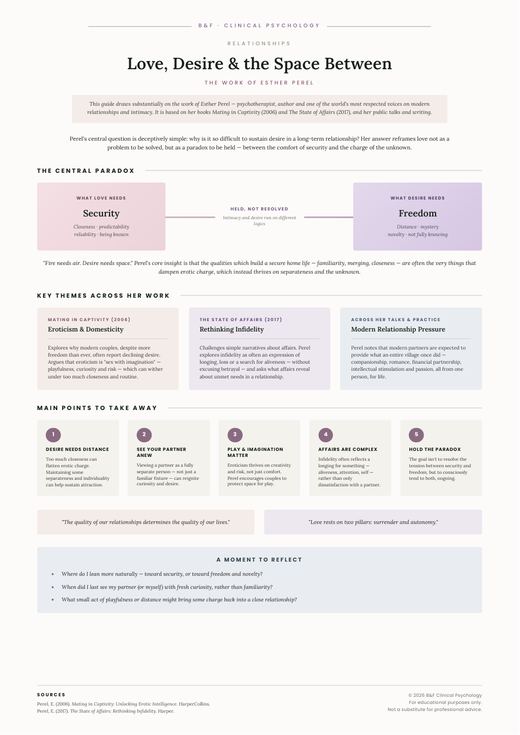
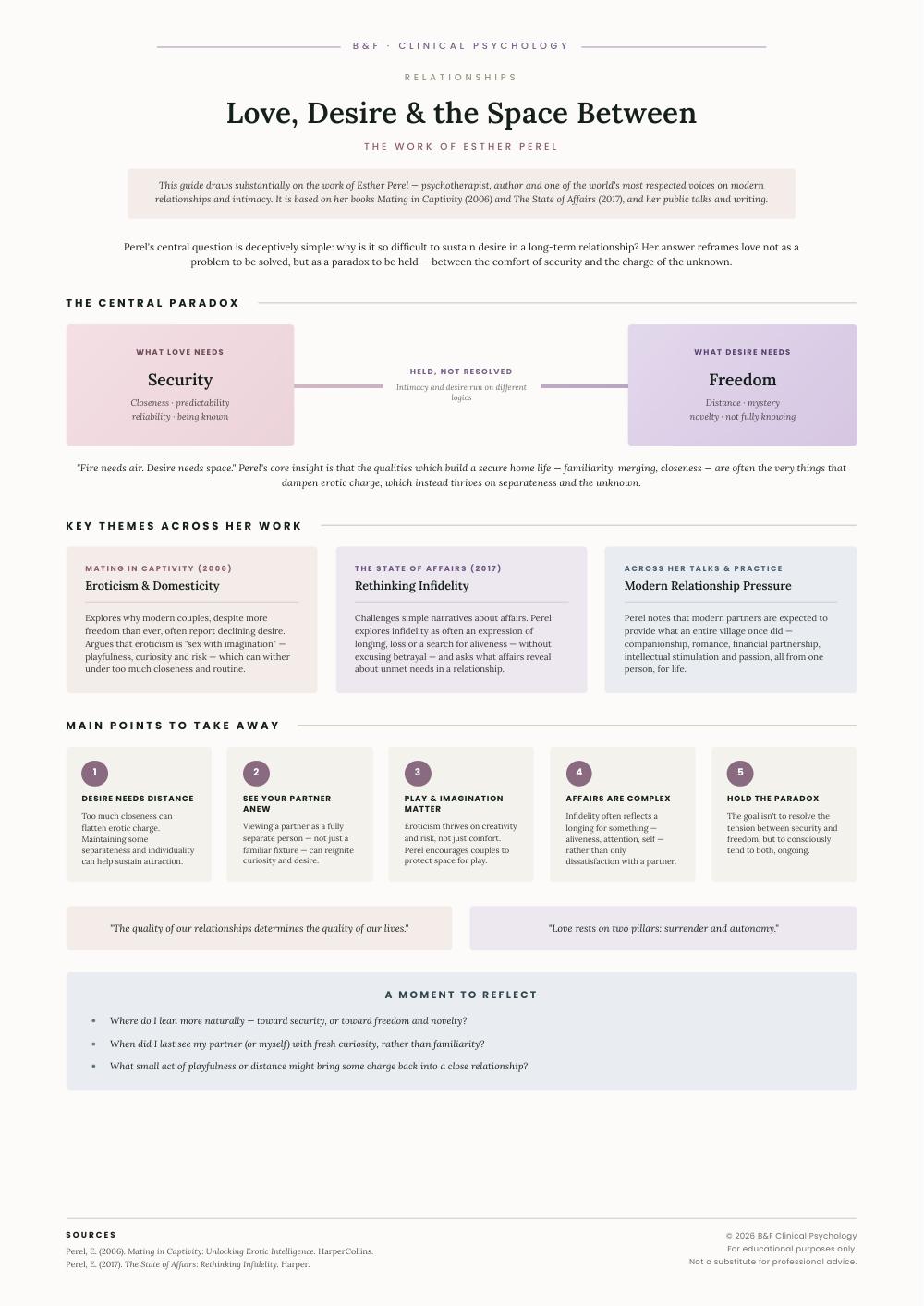
Esther Perel: love, desire and the space between
Why security and desire pull in different directions, and how couples hold both.
-
 Preview
Learn
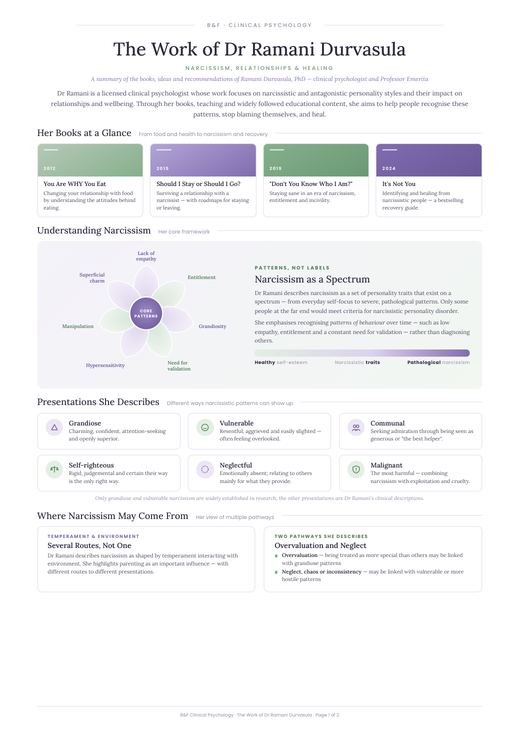
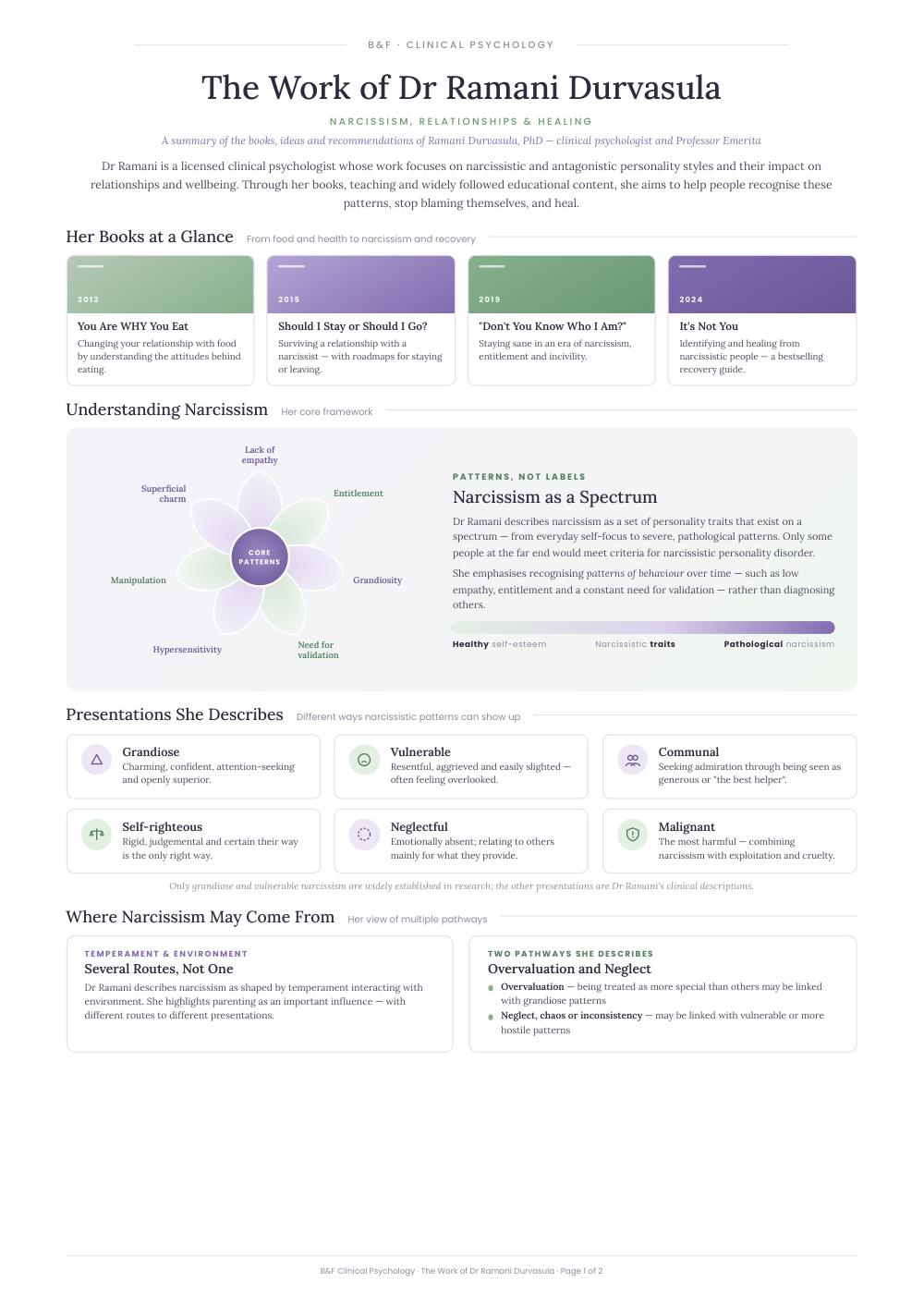
Ramani Durvasula: narcissism, relationships and healing
A summary of her books and ideas on narcissistic personality styles, their impact, and healing.
-
 Preview
Learn
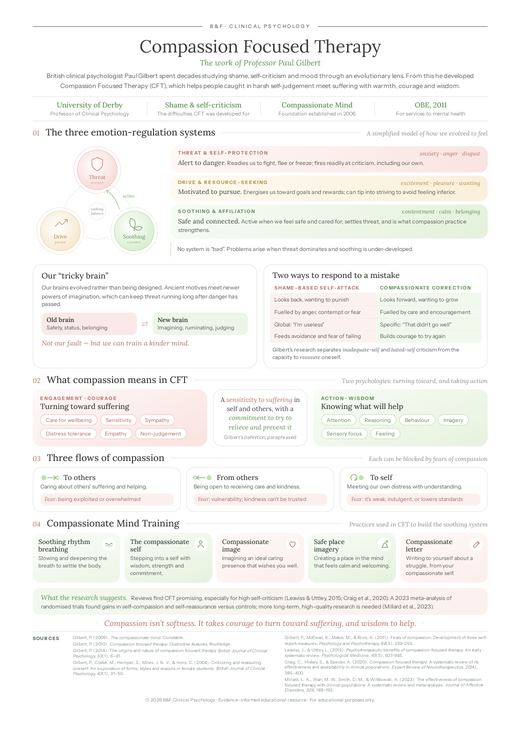
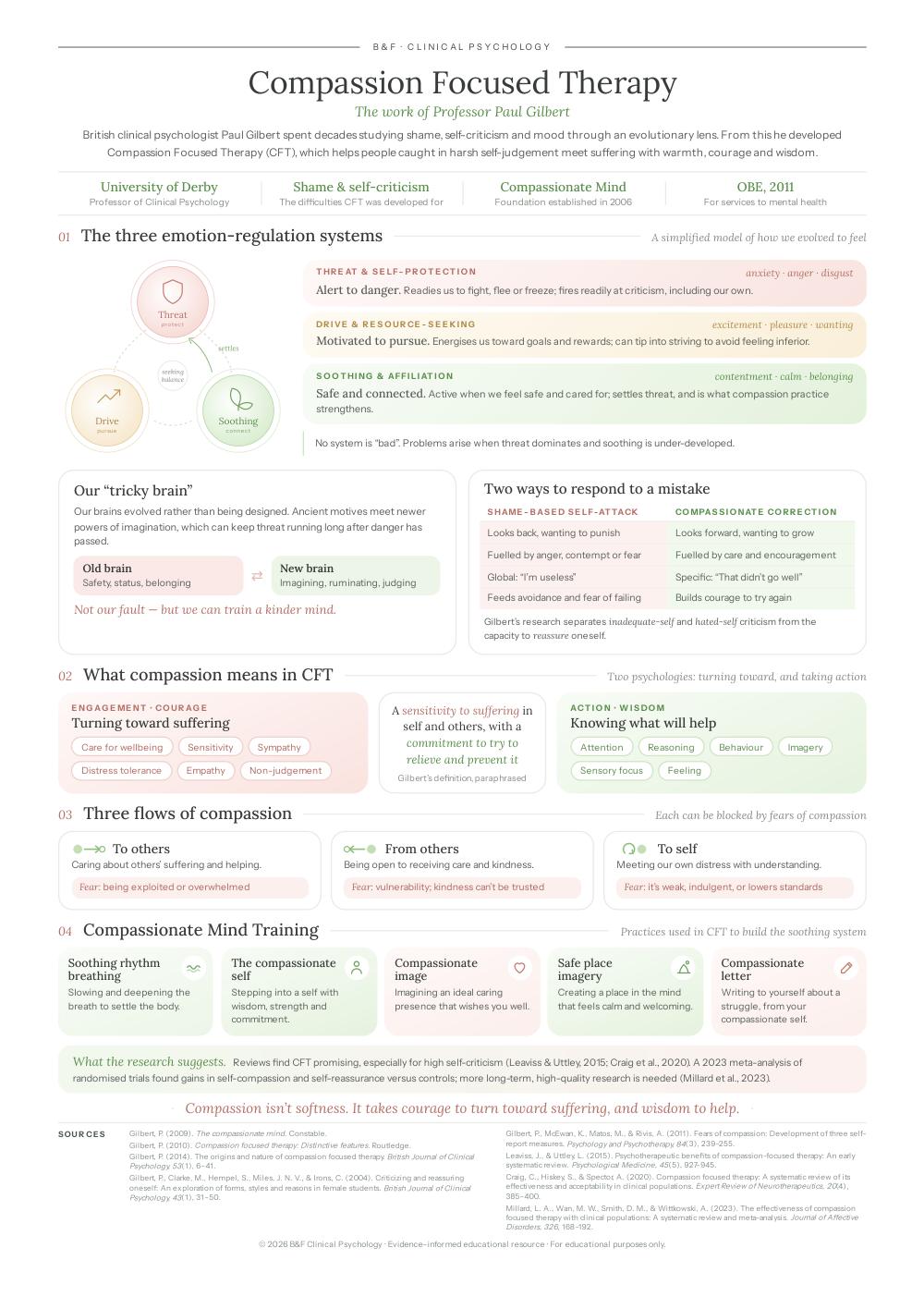
Paul Gilbert: compassion focused therapy
Meeting shame and harsh self-criticism with warmth, courage and wisdom.
-
 Preview
Learn
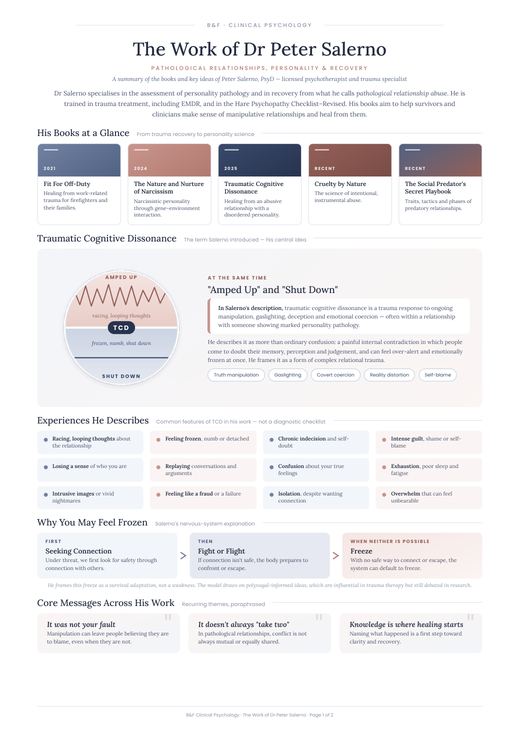
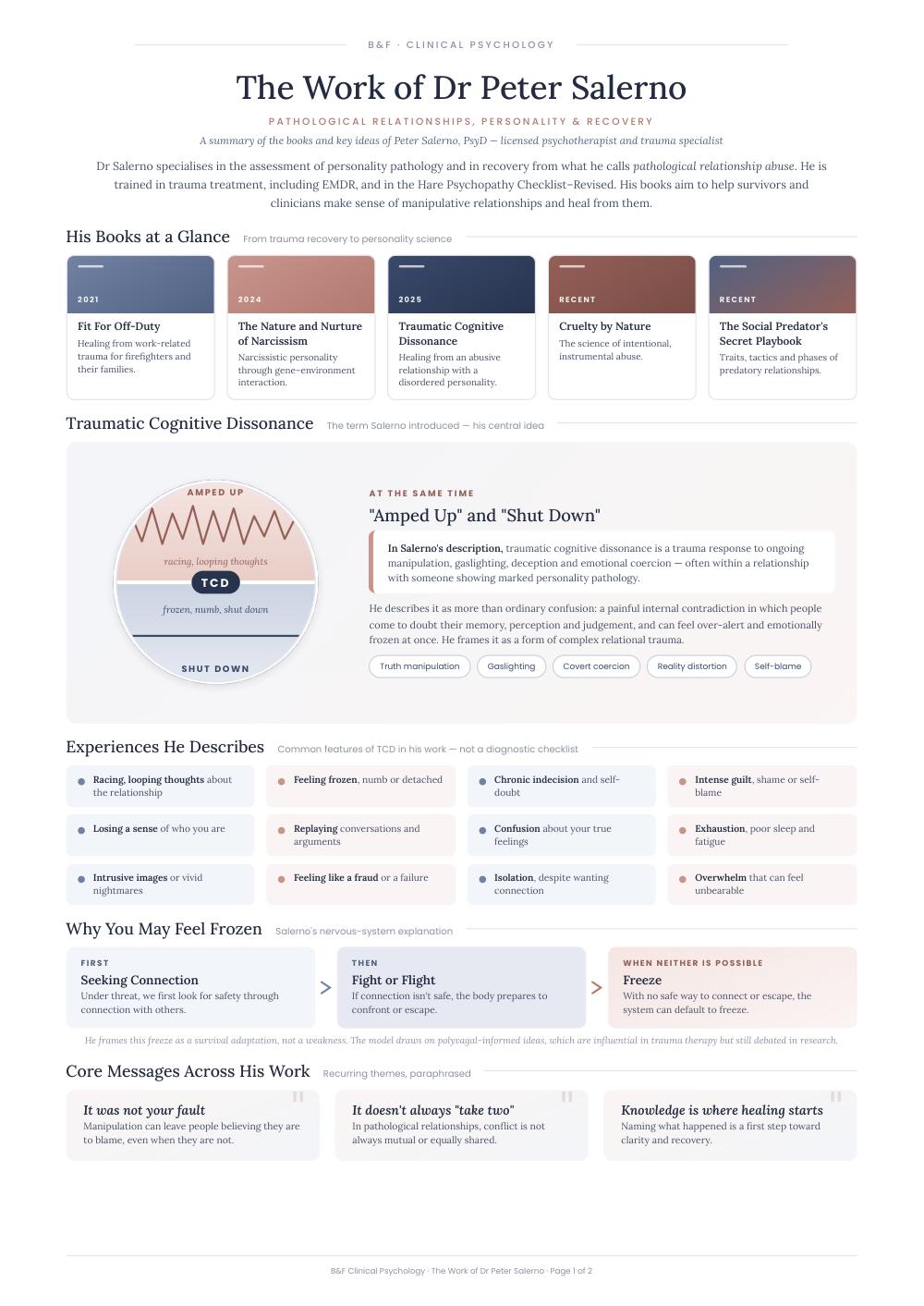
Peter Salerno: pathological relationships and recovery
A summary of his books on personality pathology and recovery from pathological relationship abuse.
-
 Preview
Learn
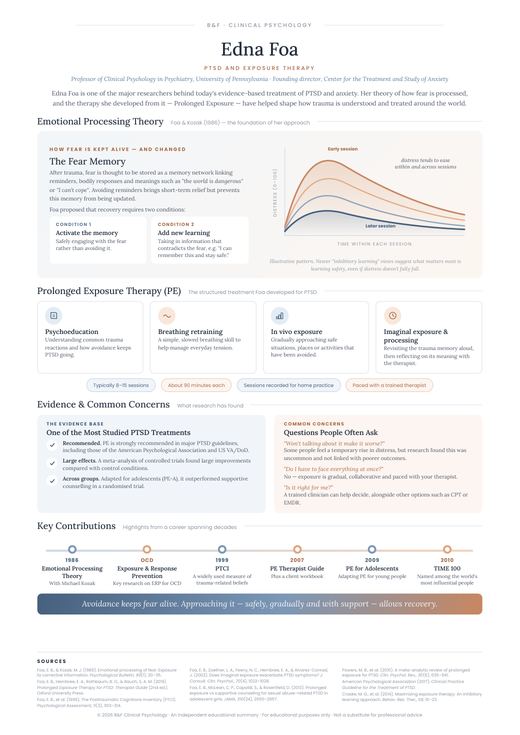
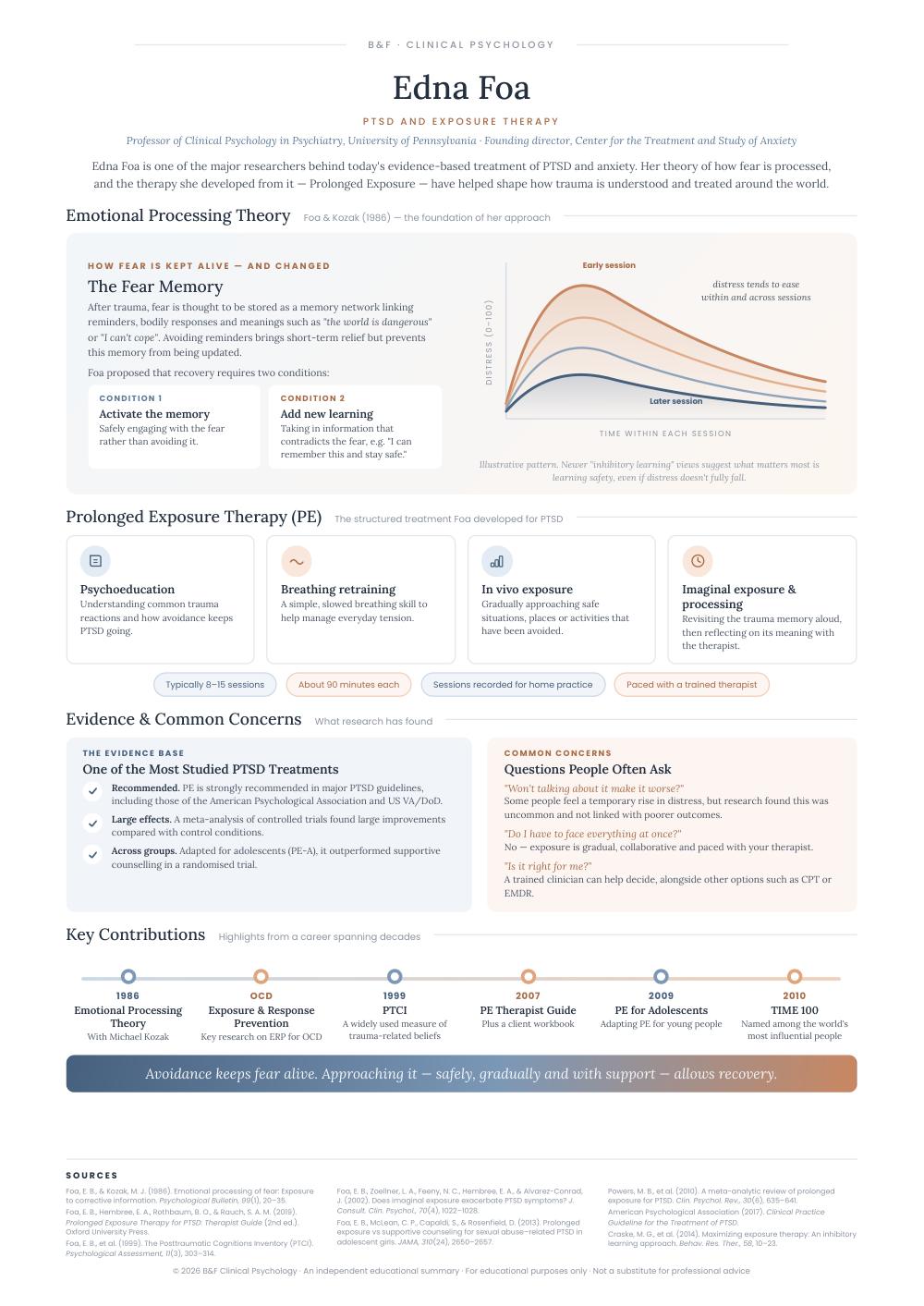
Edna Foa: PTSD and exposure therapy
Emotional processing theory and Prolonged Exposure, a major evidence-based treatment for PTSD.
-
 Preview
Learn
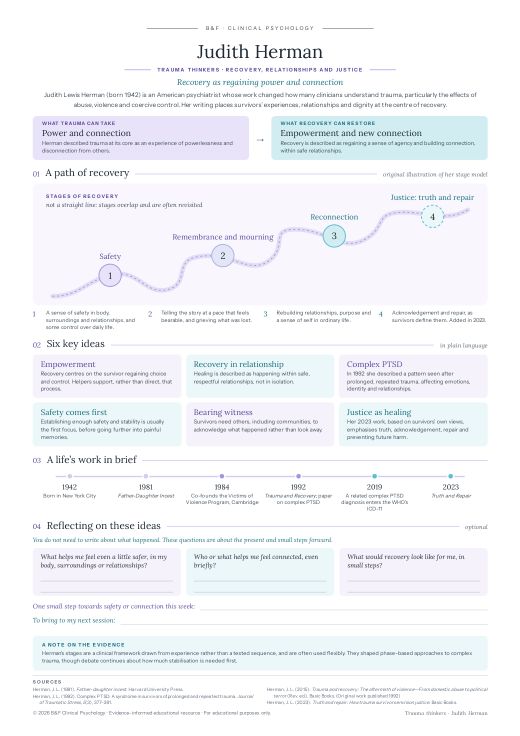
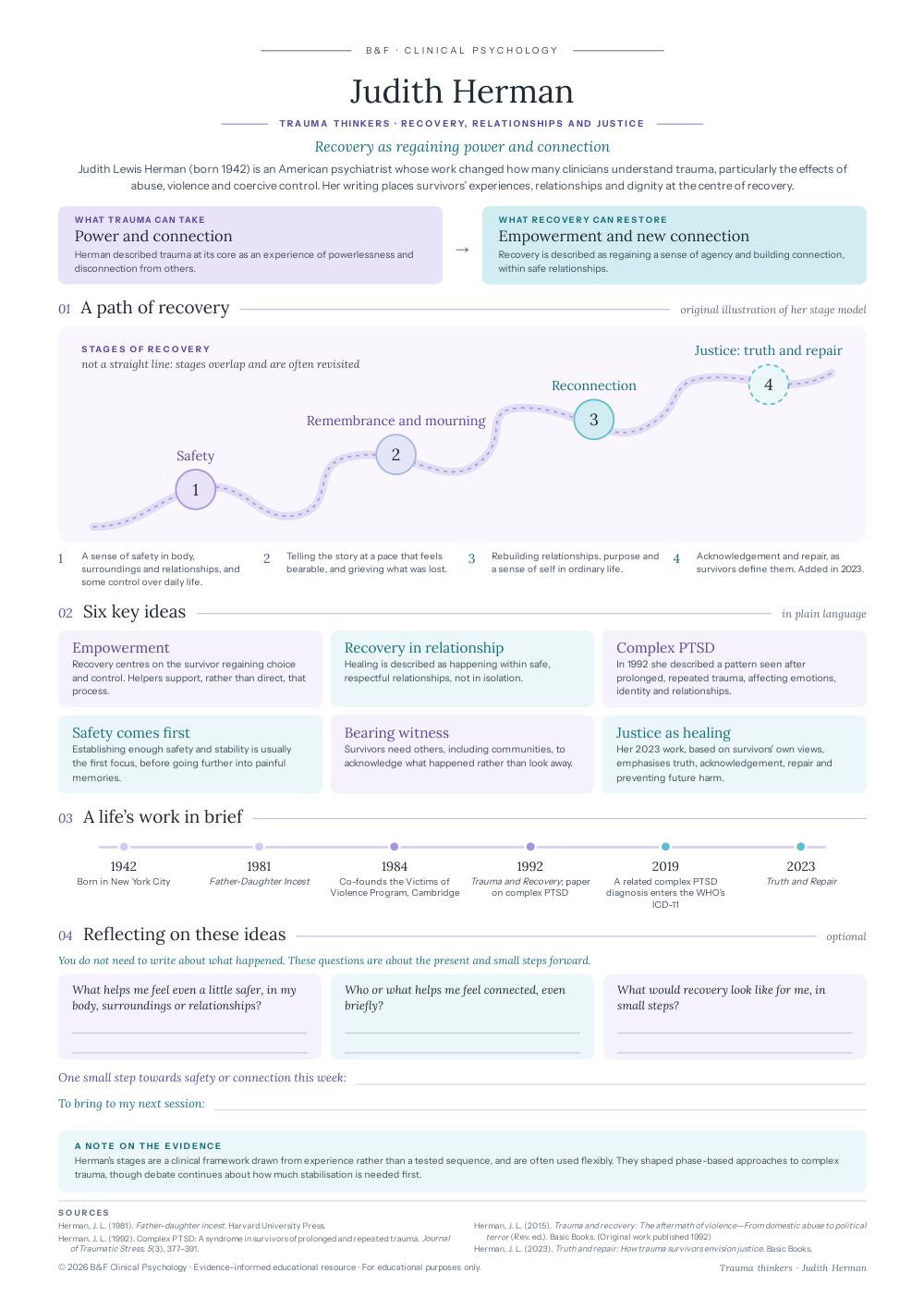
Judith Herman: trauma and recovery
Recovery as regaining power and connection, from the psychiatrist who reshaped how we understand trauma.
-
 Preview
Learn
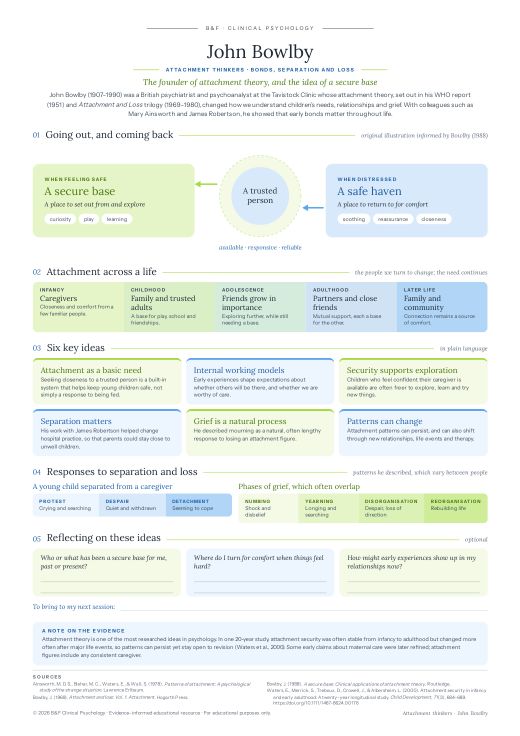
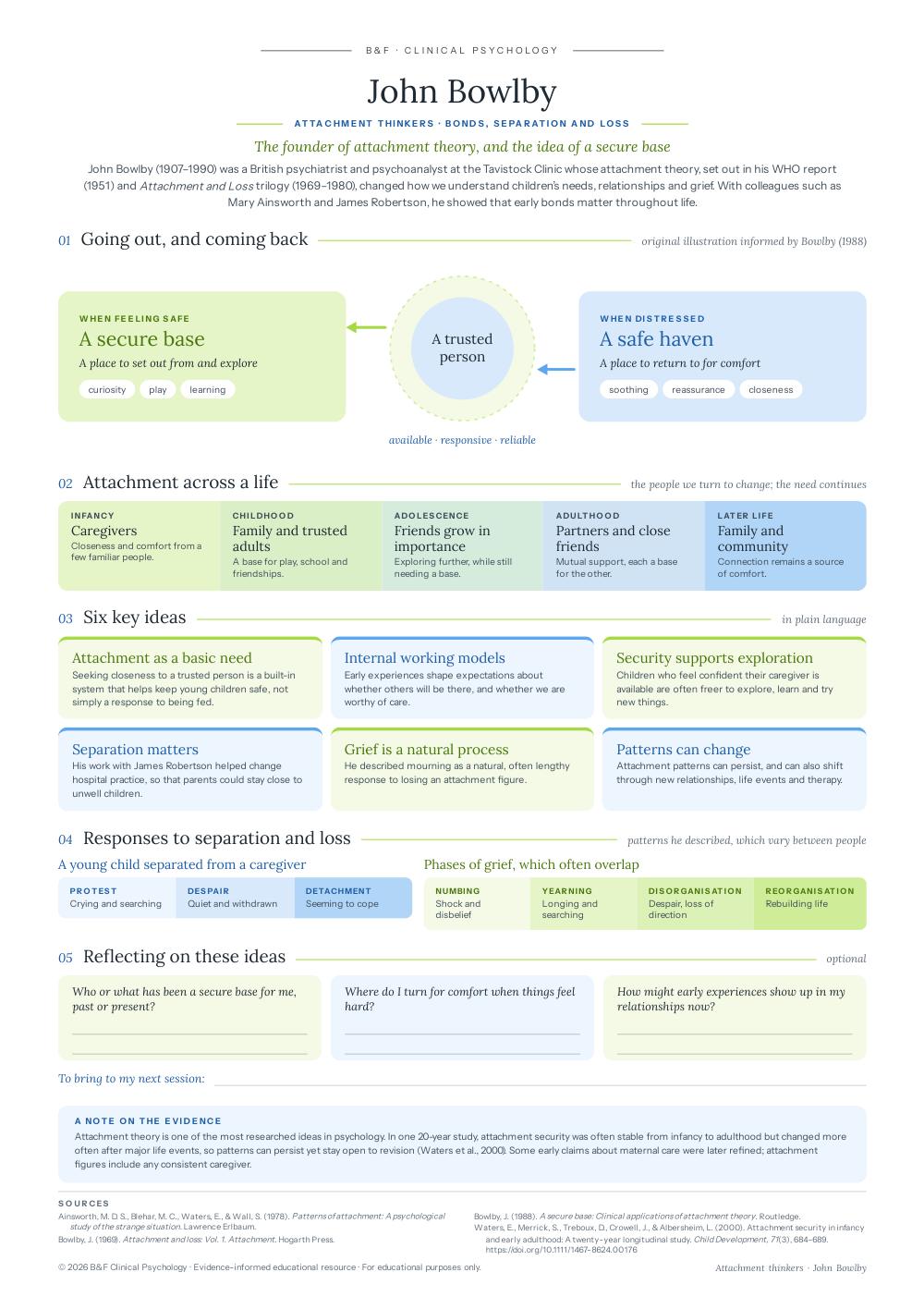
John Bowlby: attachment and the secure base
The founder of attachment theory, on bonds, separation and loss.
-
 Preview
Learn
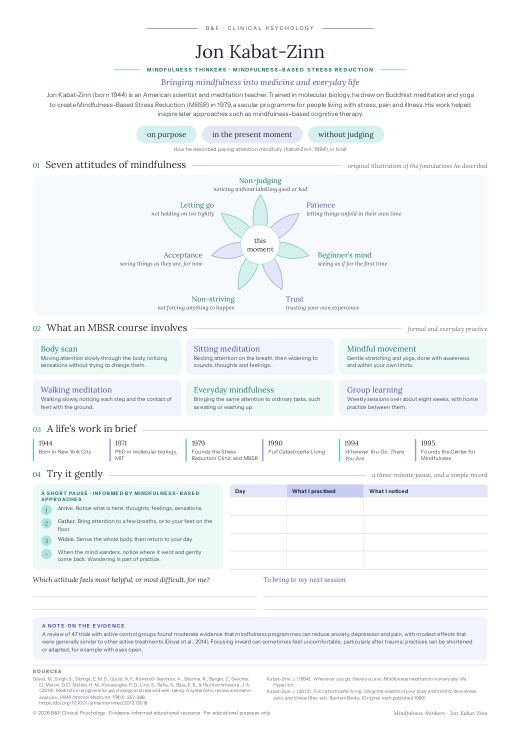
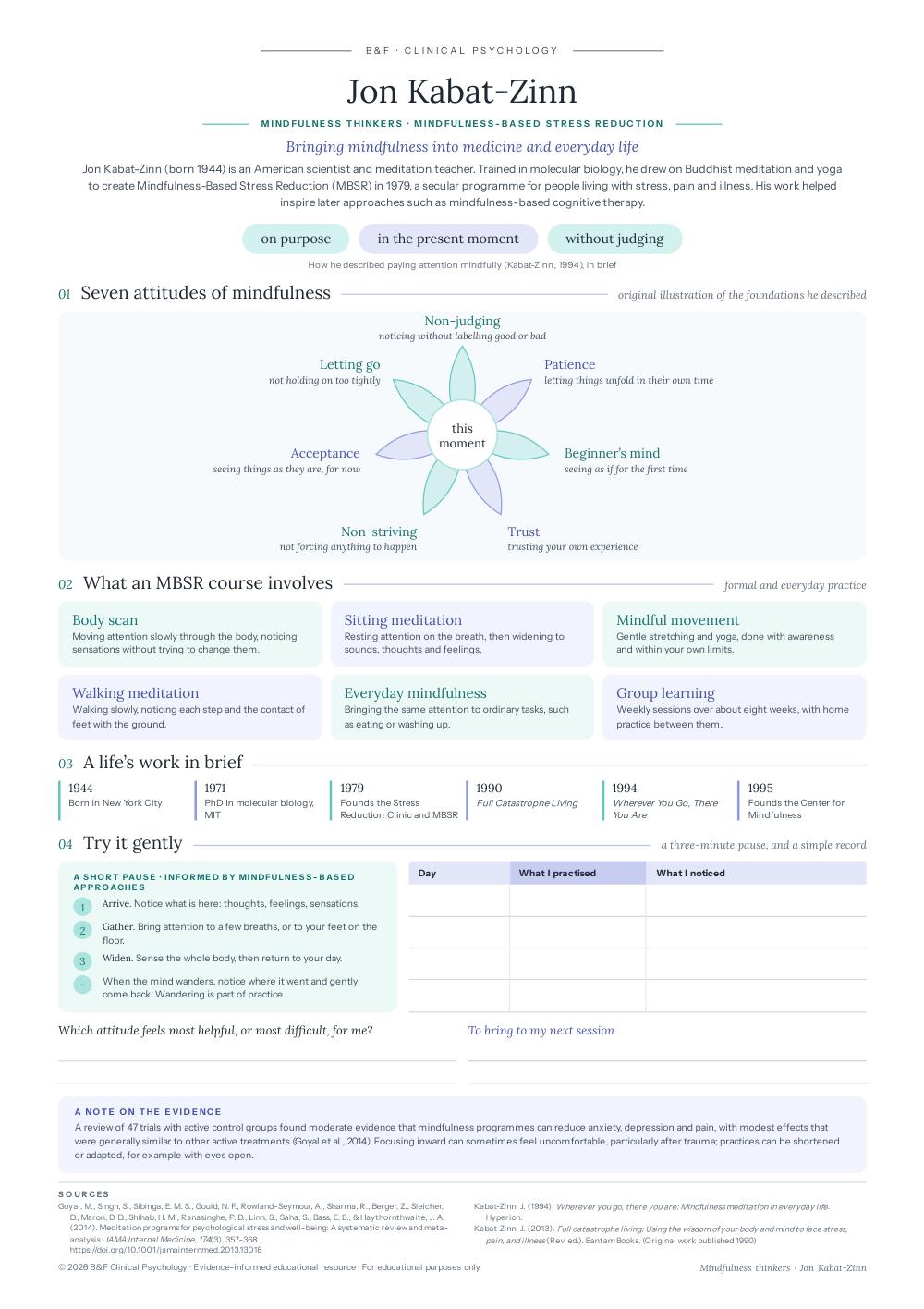
Jon Kabat-Zinn: mindfulness-based stress reduction
Bringing mindfulness into medicine and everyday life.
-
 Preview
Learn
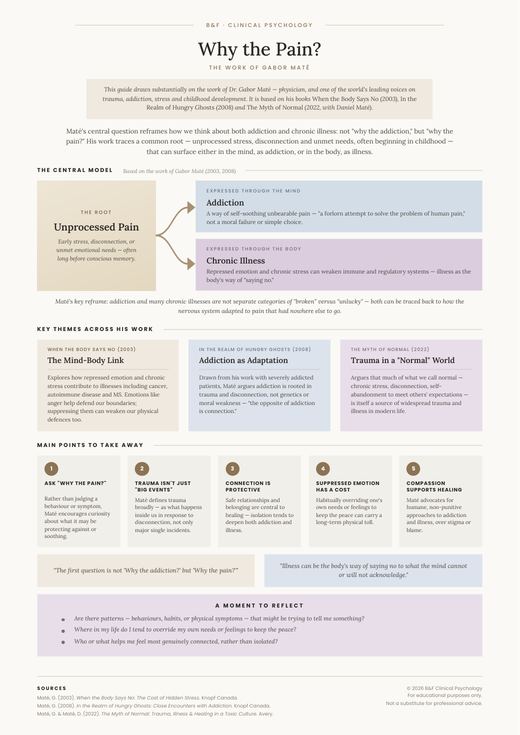
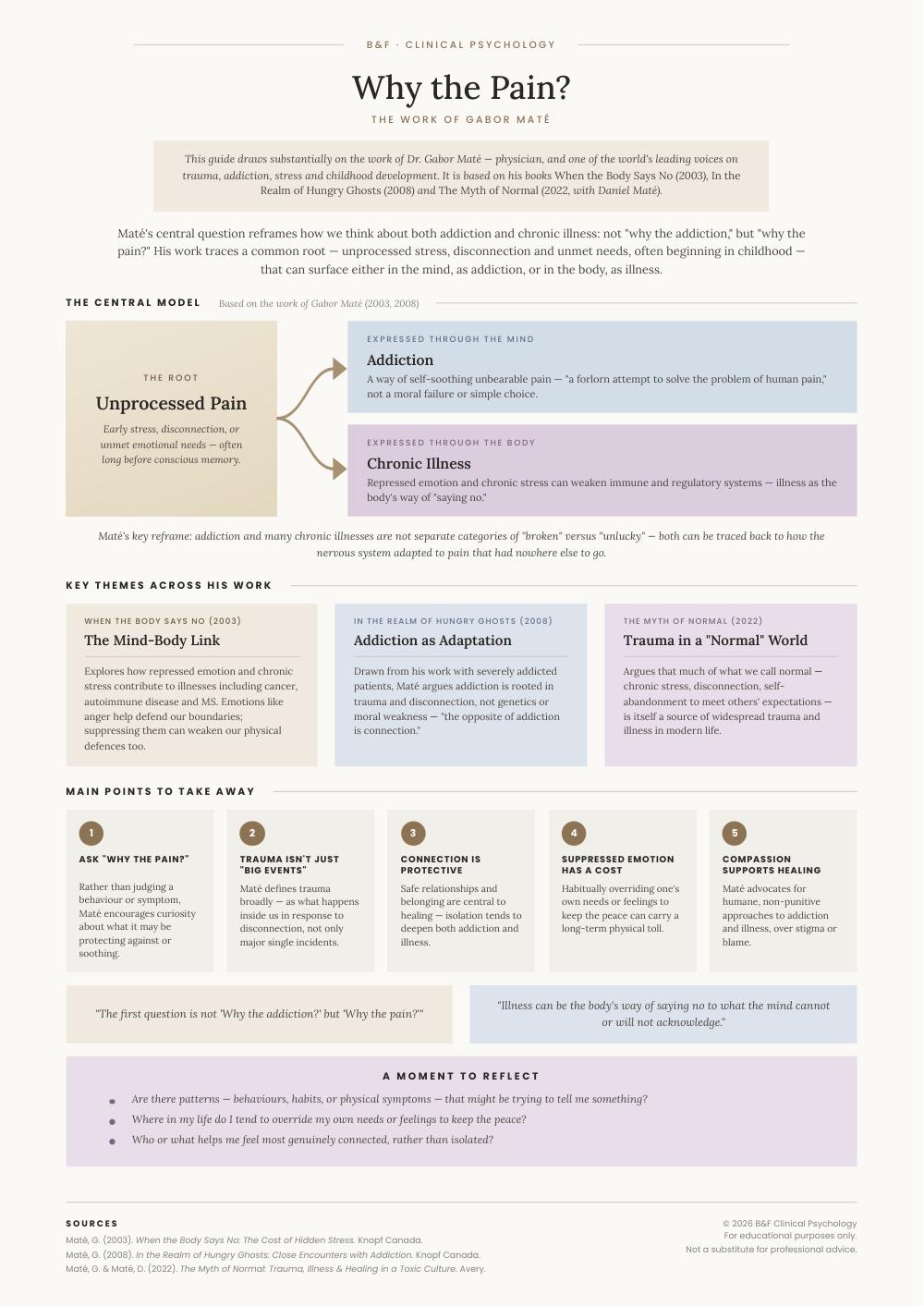
Gabor Maté: trauma, addiction, stress and health
Addiction and illness traced to a common root: unprocessed stress, disconnection and unmet needs.
-
 Preview
Learn
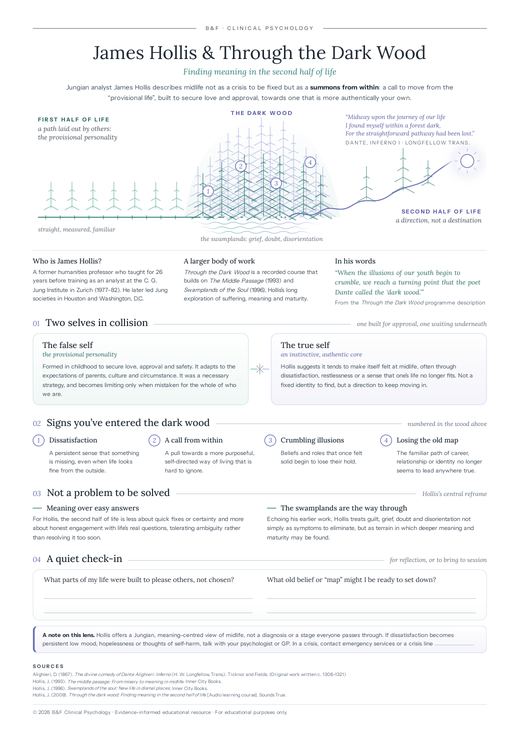
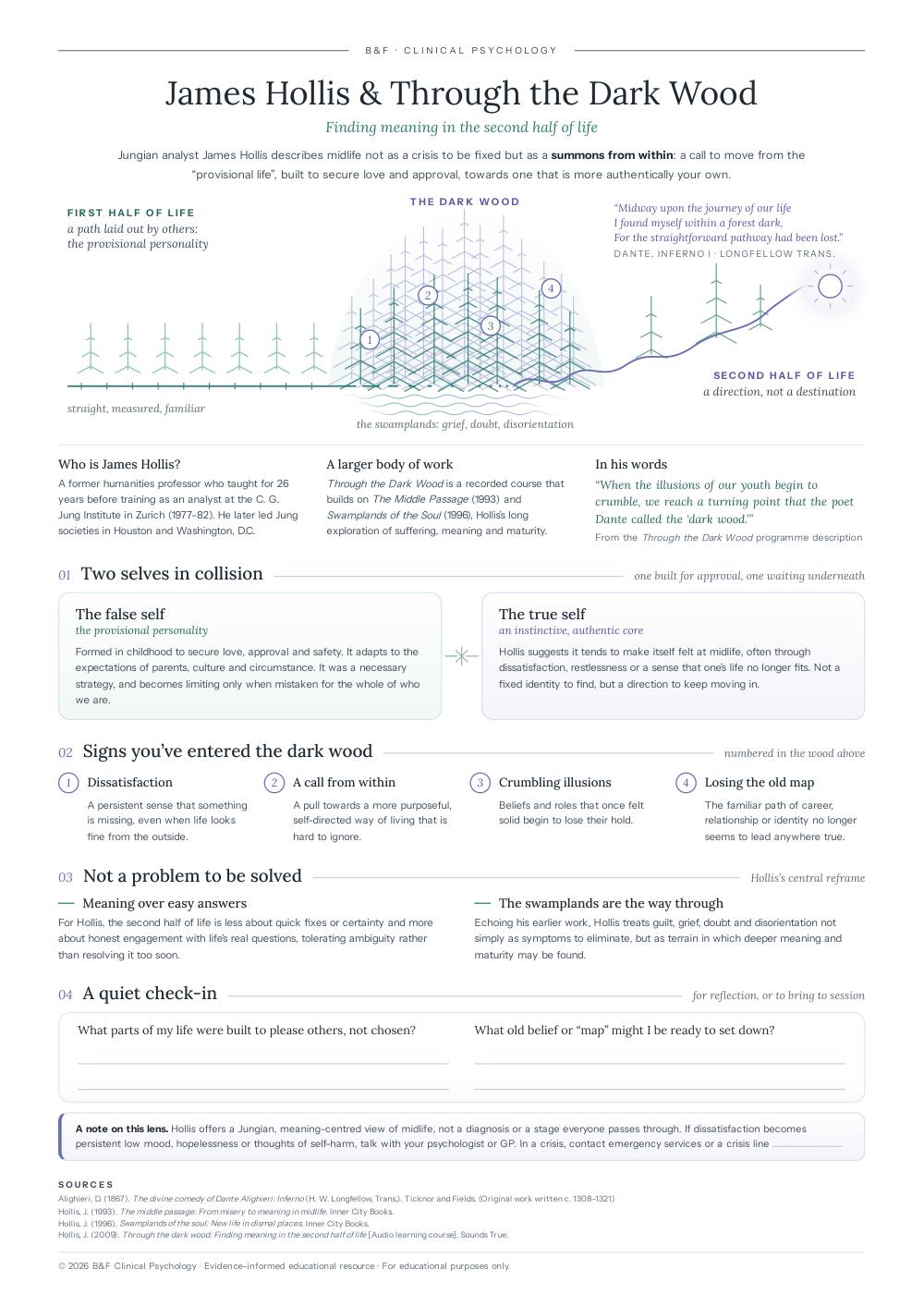
James Hollis: through the dark wood
Midlife as a summons from within: finding meaning in the second half of life.
-
 Preview
Learn
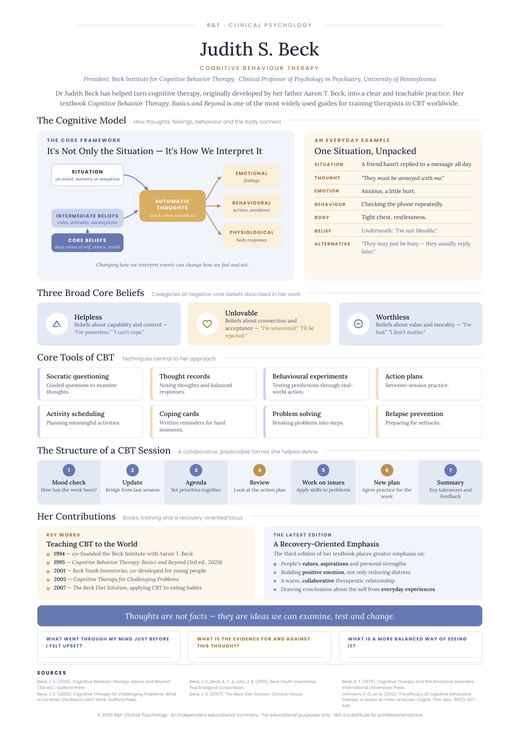
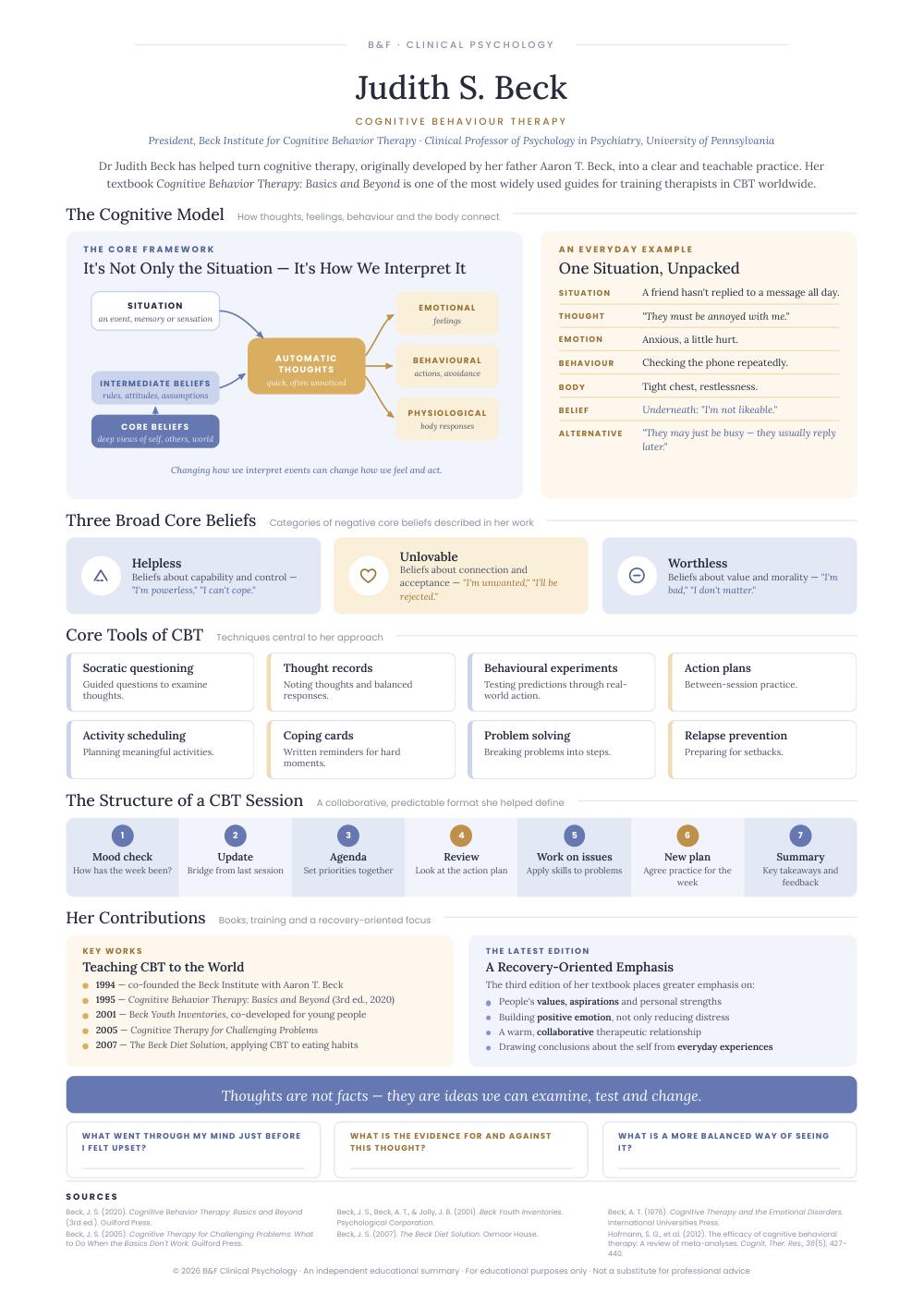
Judith Beck: cognitive behaviour therapy
The cognitive model: how interpreting a situation links thoughts, feelings, behaviour and the body.
-
 Preview
Learn
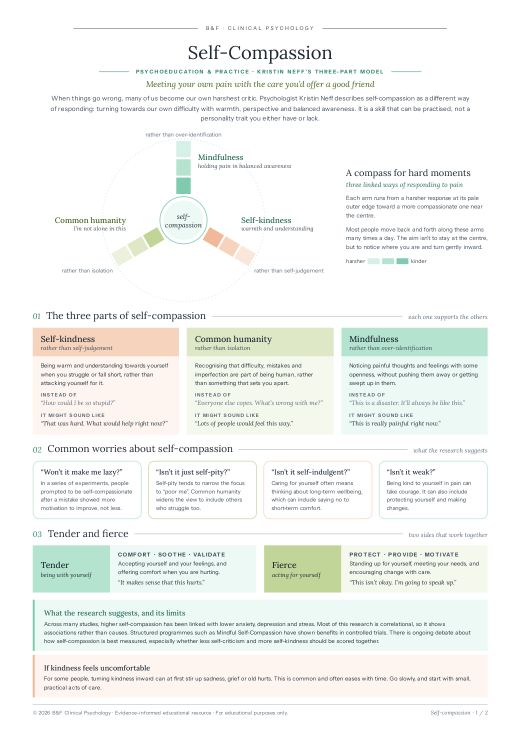
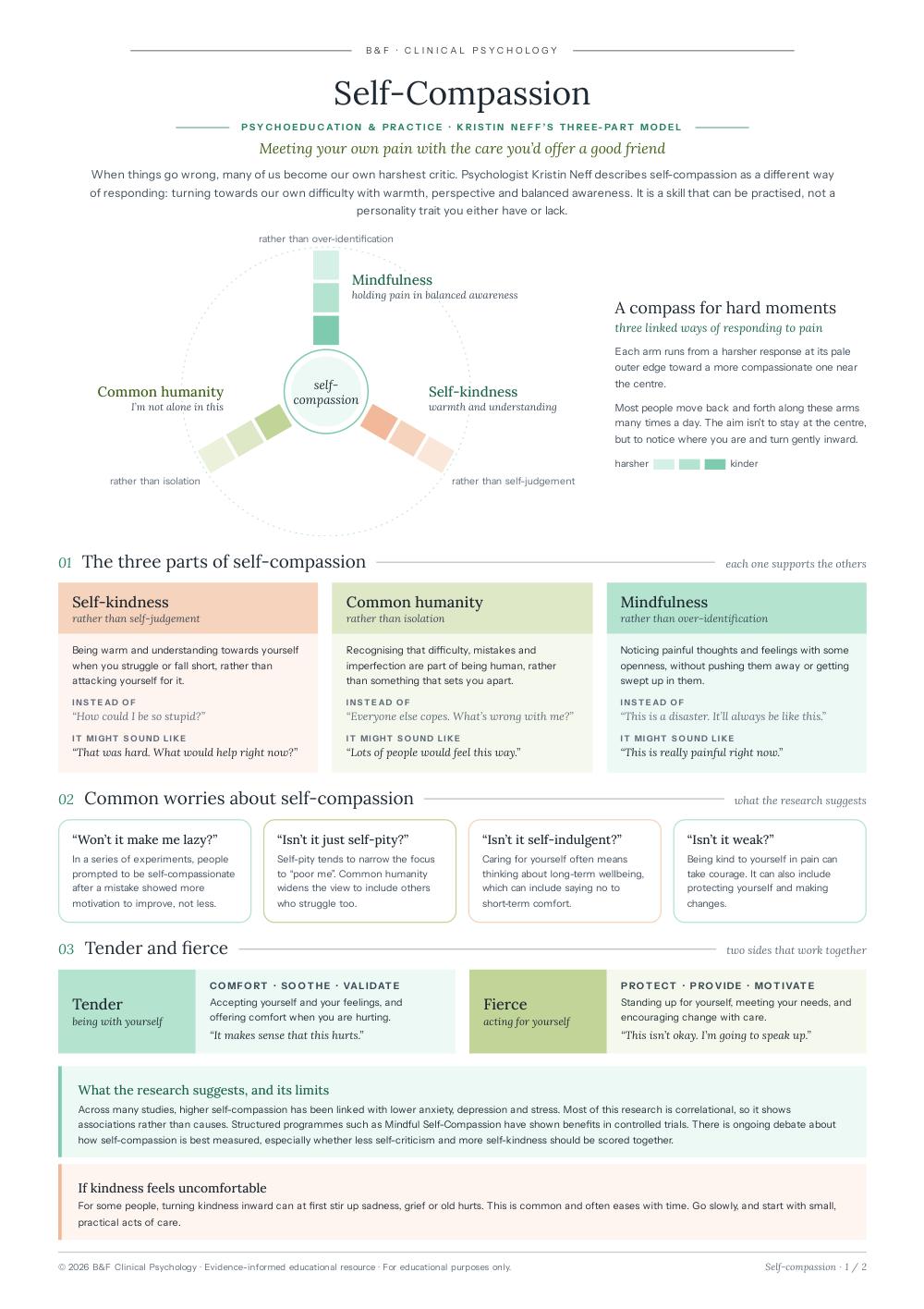
Kristin Neff: self-compassion
The three components of self-compassion, and how it differs from self-esteem.
-
 Preview
Learn
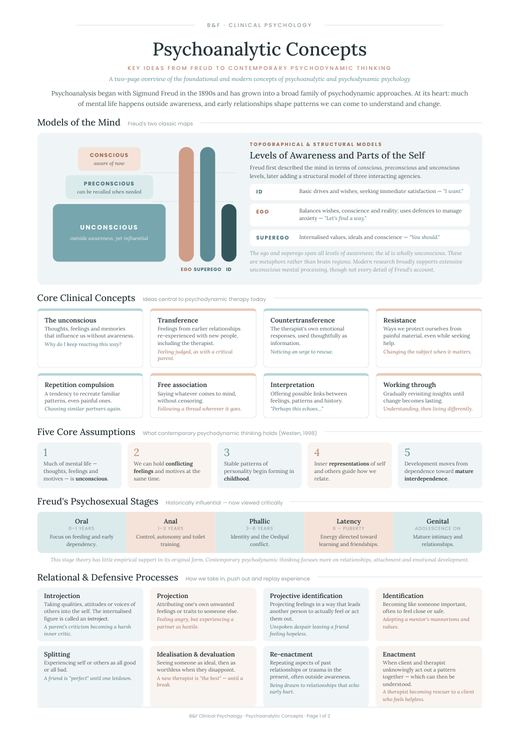
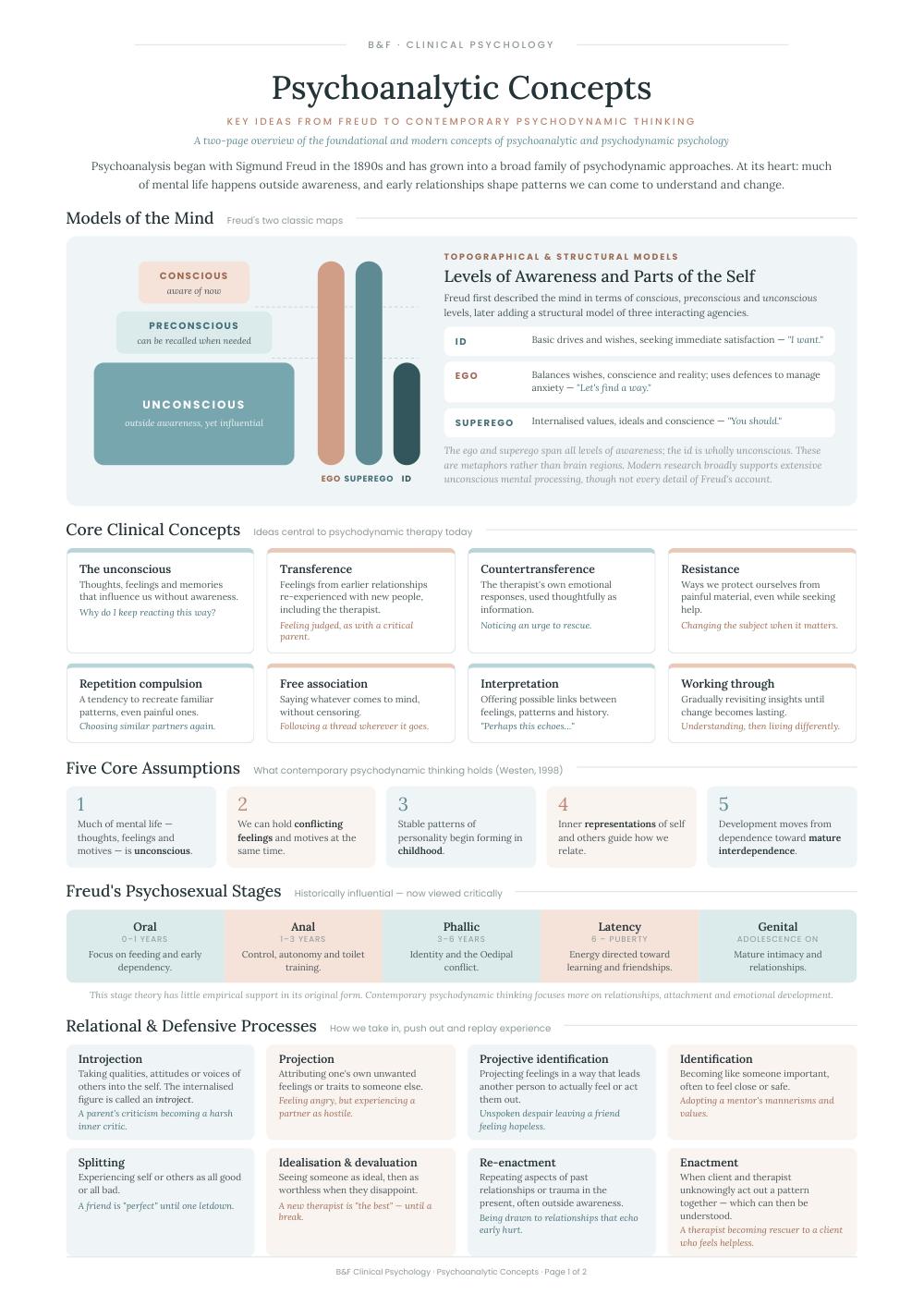
Psychoanalytic concepts
Key ideas from Freud to contemporary psychodynamic thinking, in a two-page overview.
-
 Preview
Learn
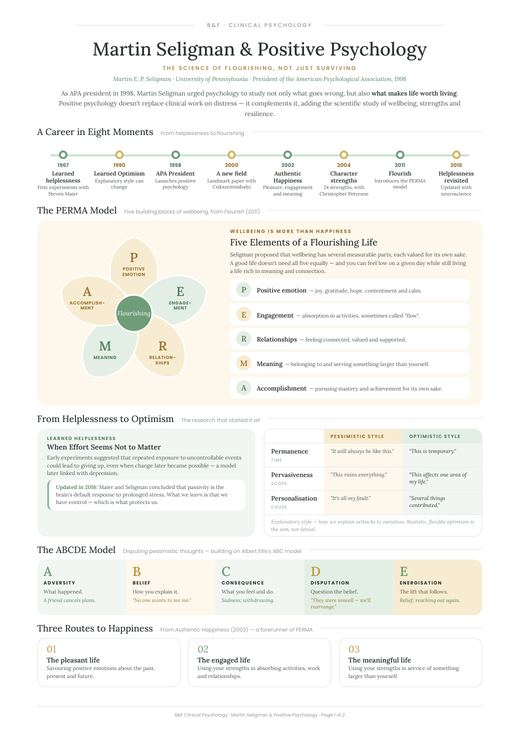
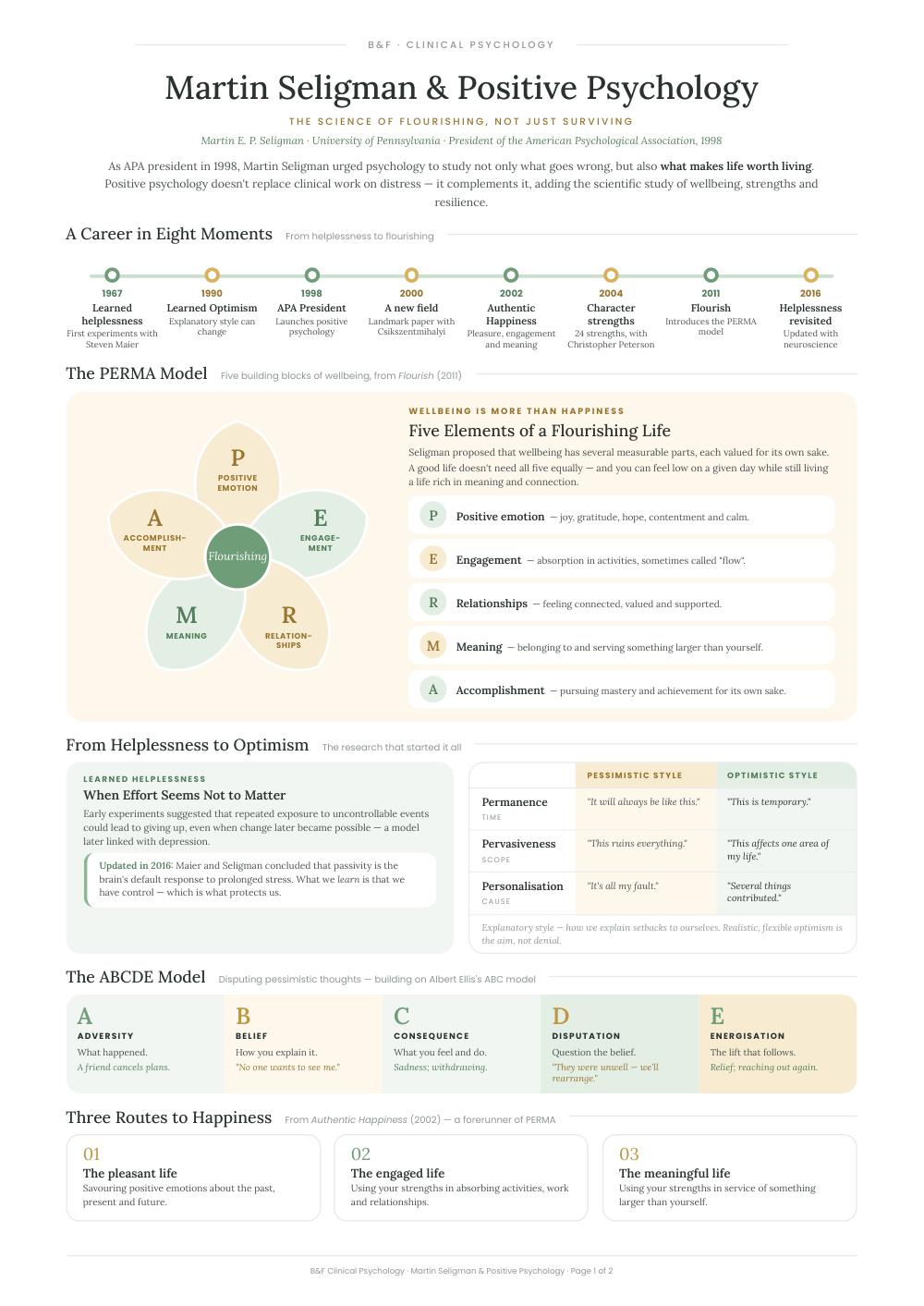
Martin Seligman: positive psychology
The science of flourishing: studying what makes life worth living, alongside what goes wrong.
-
 Preview
Learn
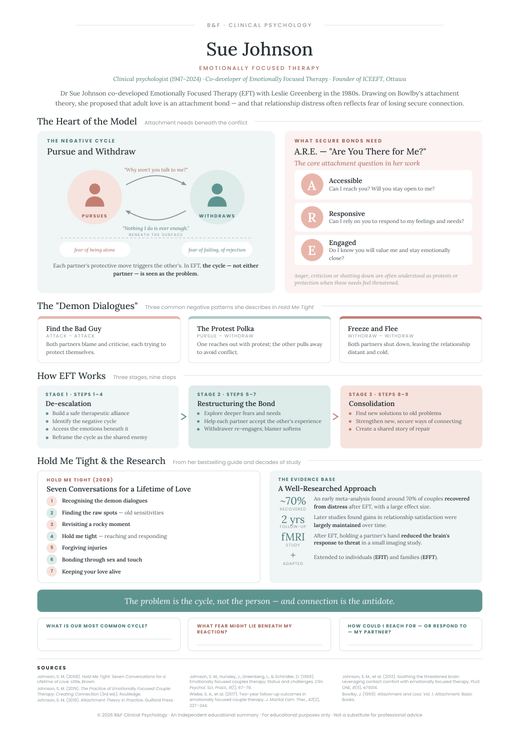
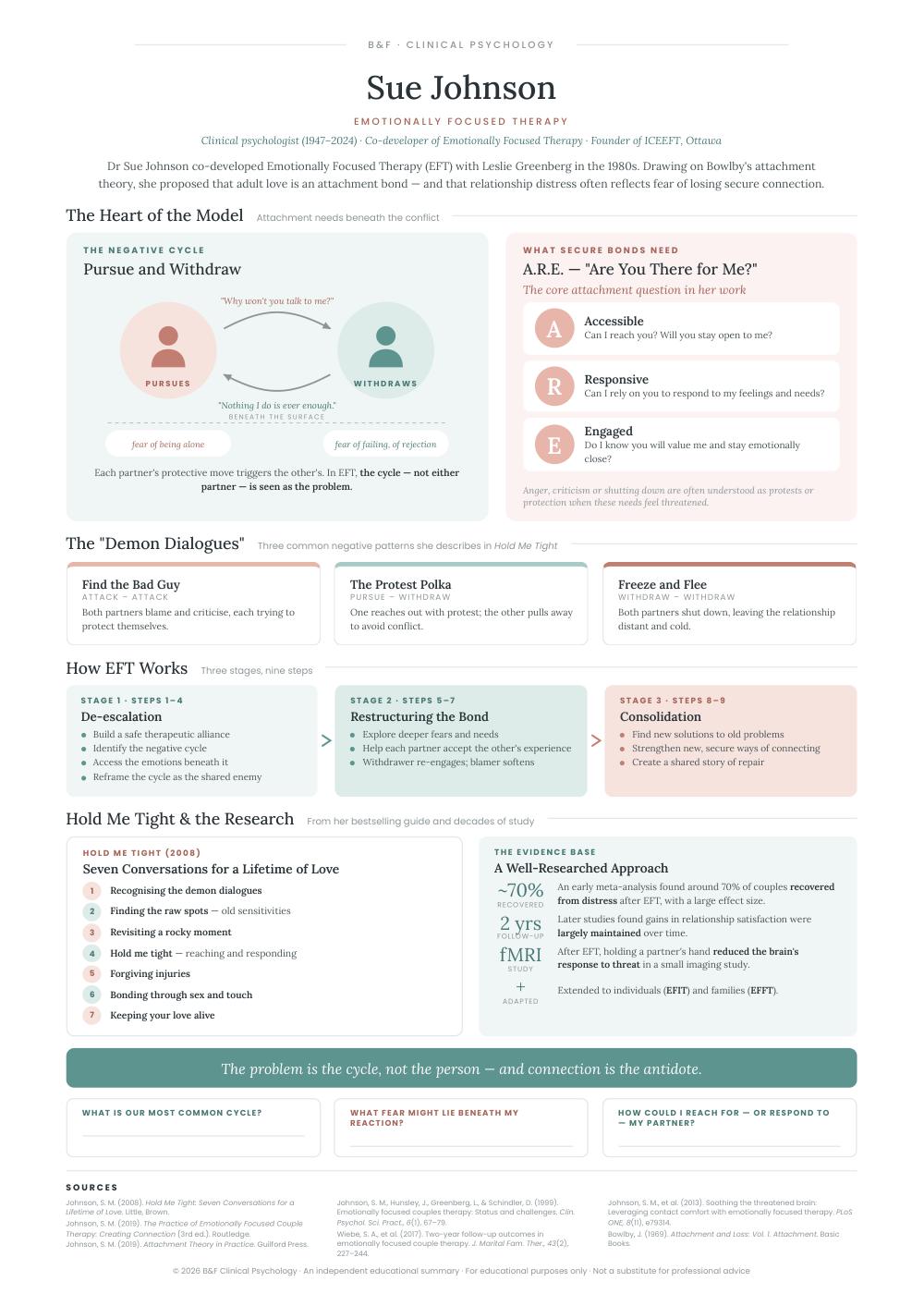
Sue Johnson: emotionally focused therapy
Adult love as an attachment bond, and the cycles that form when secure connection feels at risk.
-
 Preview
Learn
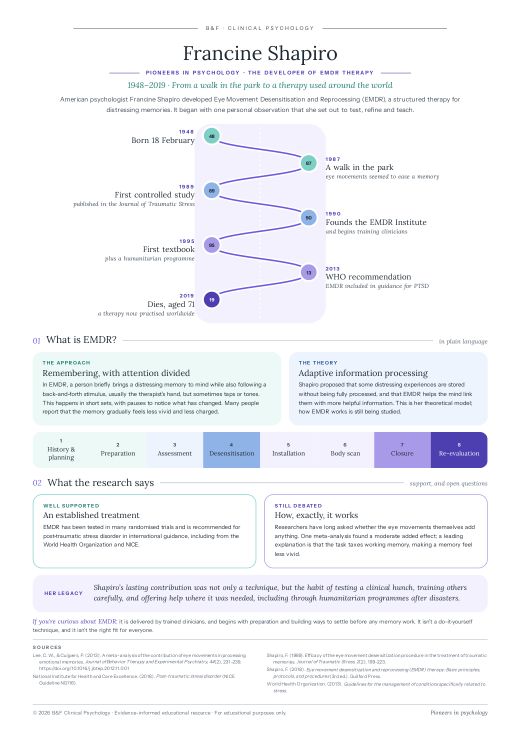
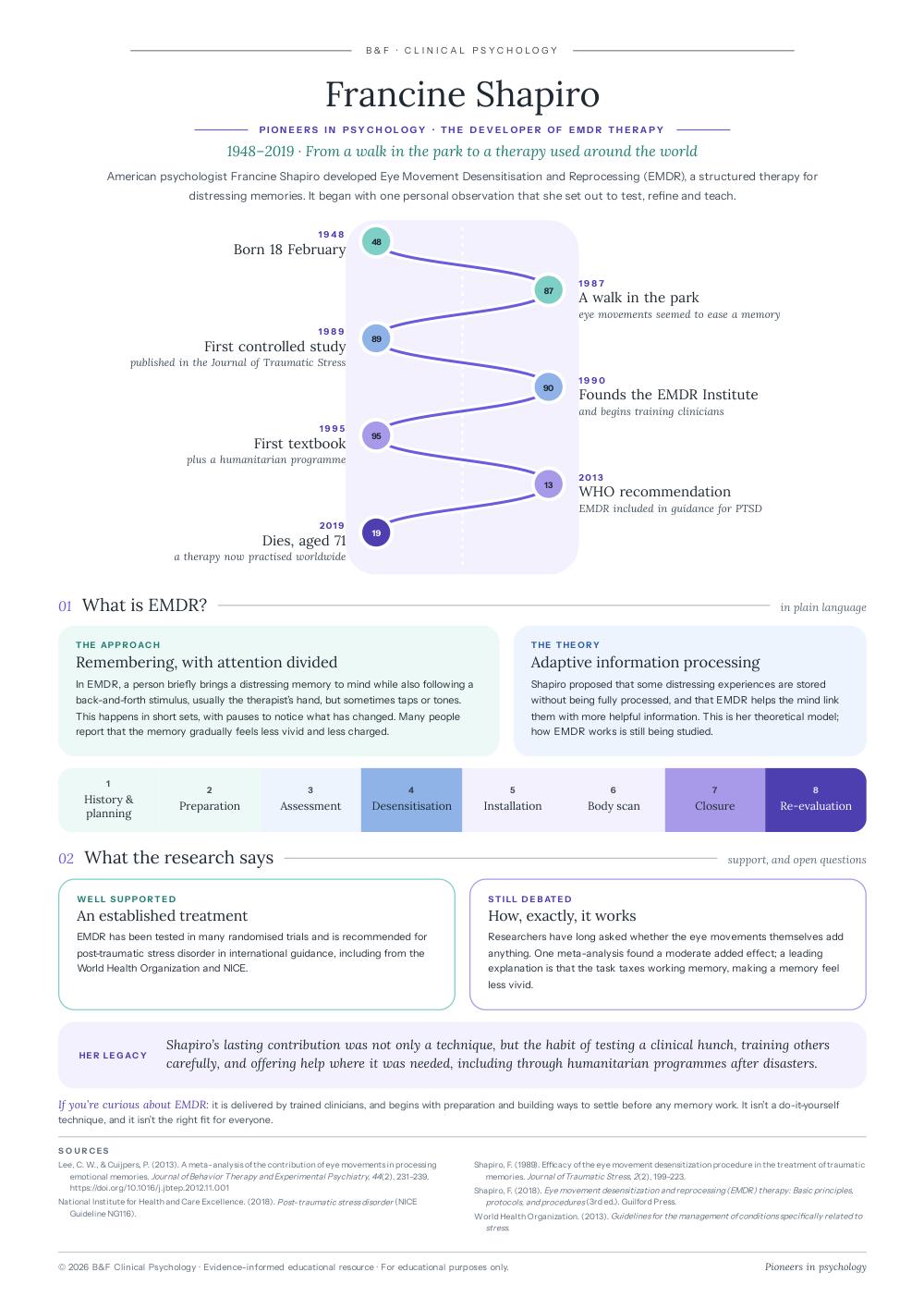
Francine Shapiro: EMDR therapy
How one personal observation became EMDR, a structured therapy for distressing memories.
-
 Preview
Learn
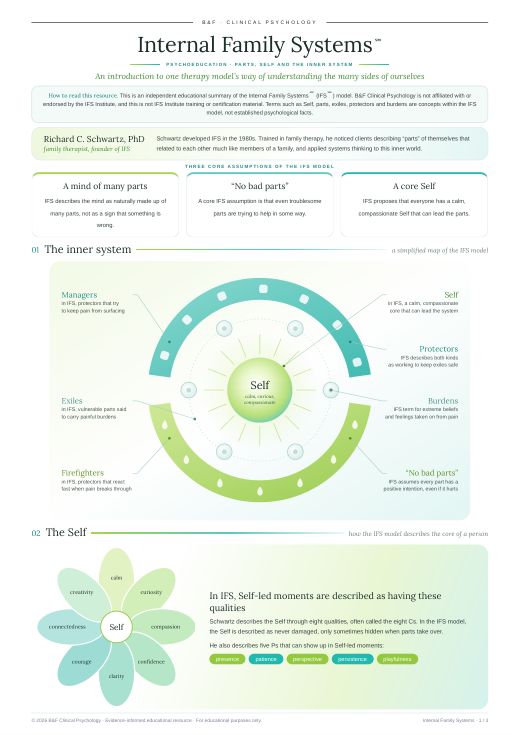
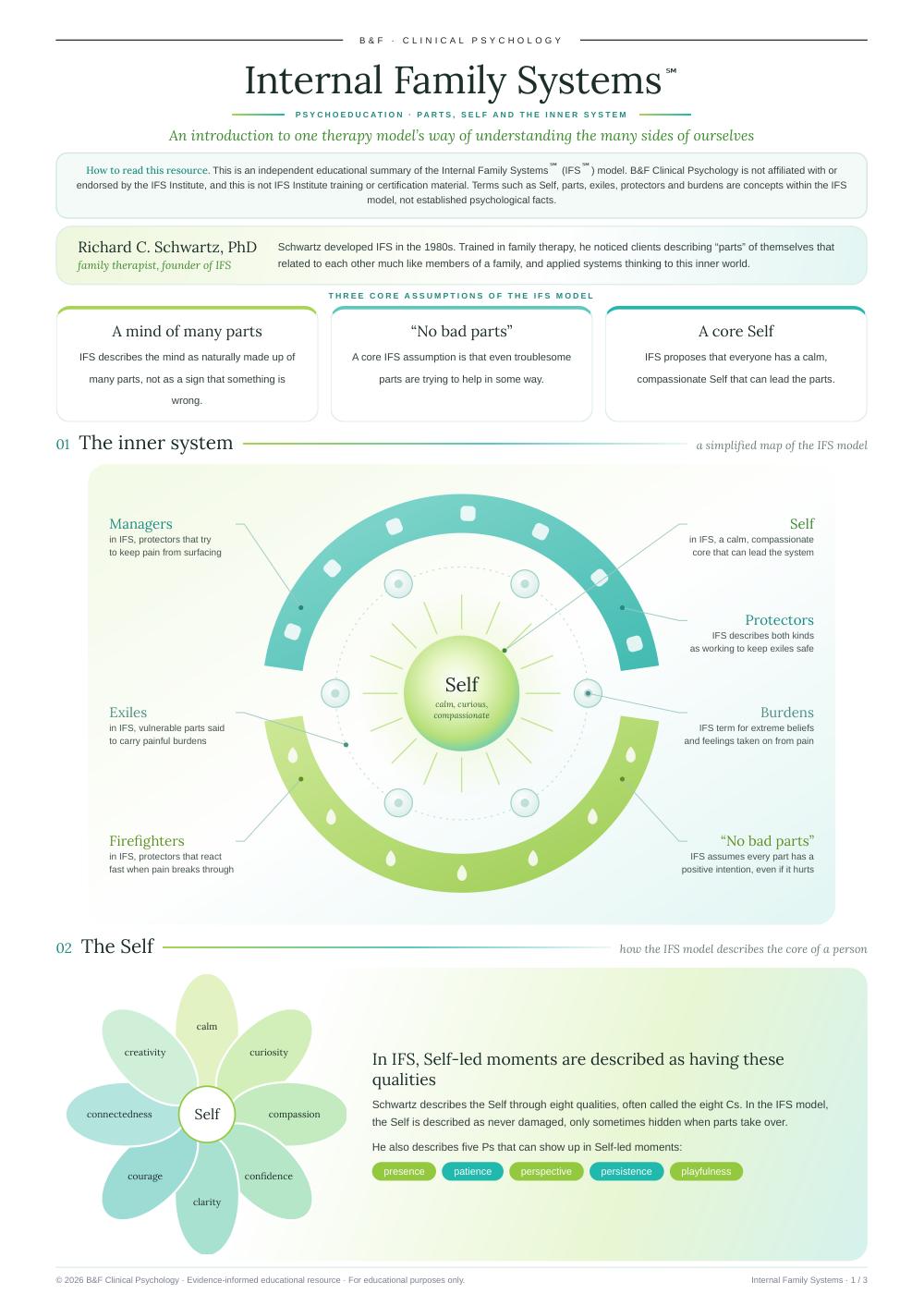
Richard Schwartz: Internal Family Systems
An introduction to the IFS model's way of understanding the many sides of ourselves.
-
 Preview
Learn
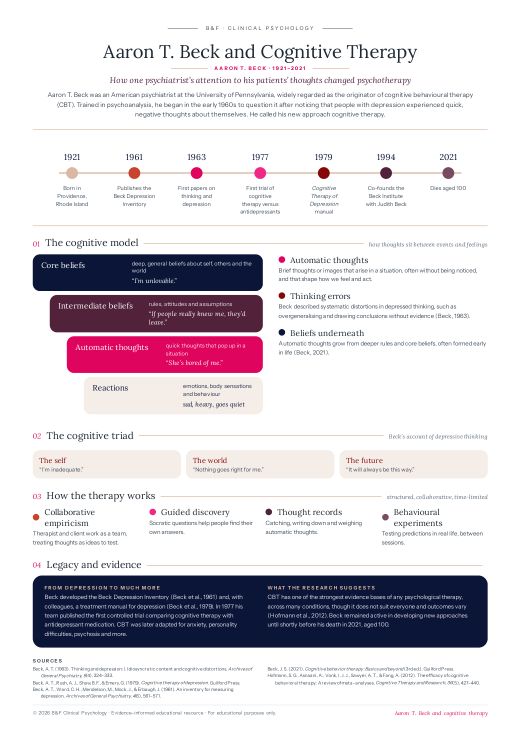
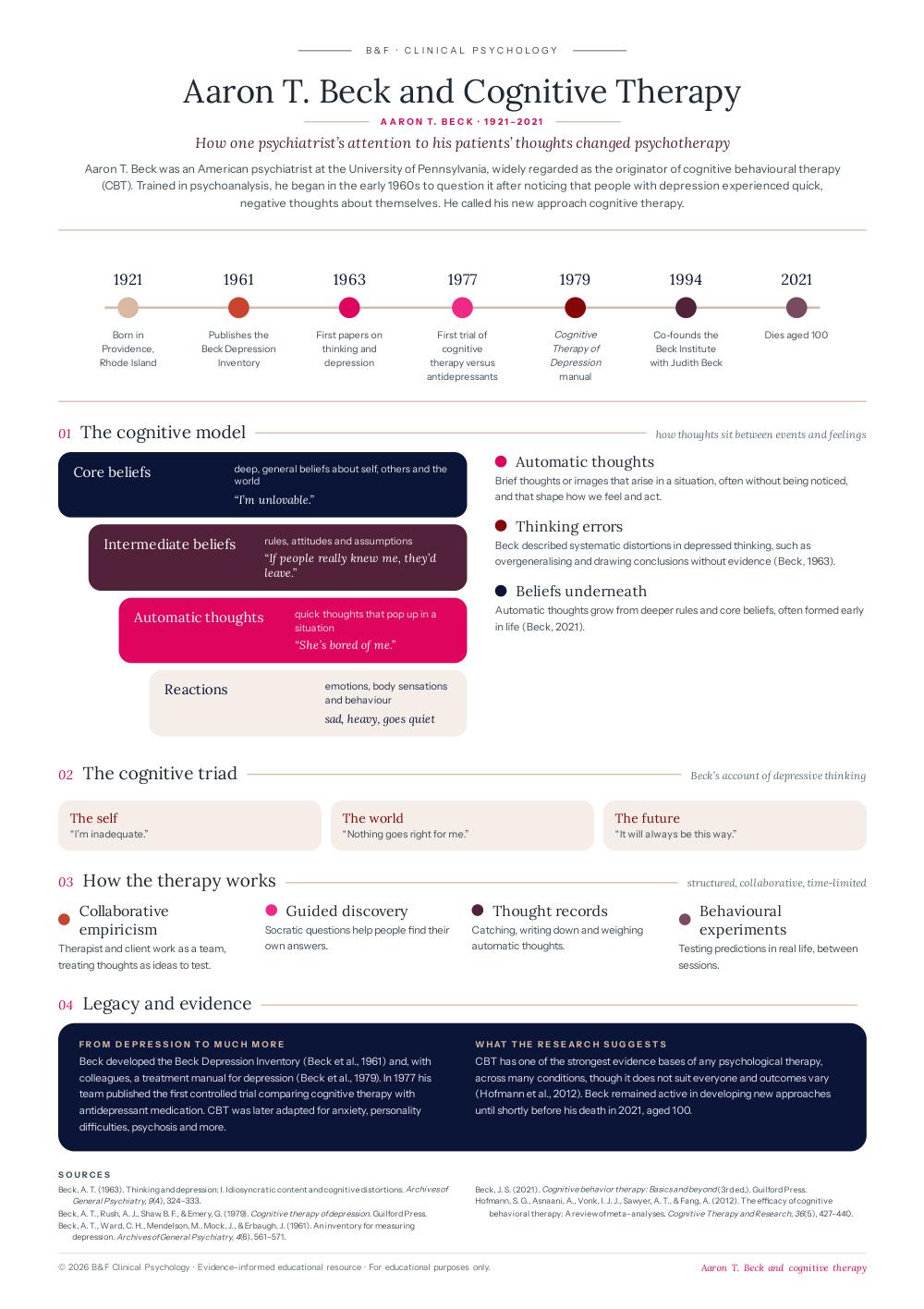
Aaron T. Beck: cognitive therapy
How one psychiatrist's attention to his patients' thoughts changed psychotherapy.
-
 Preview
Learn
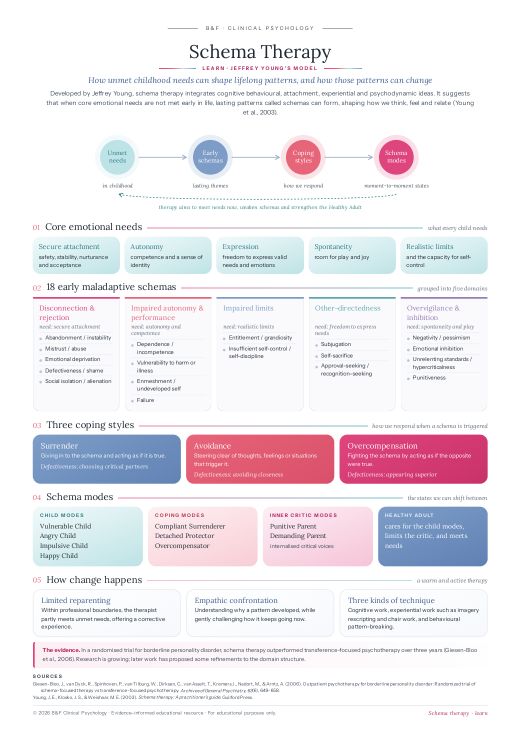
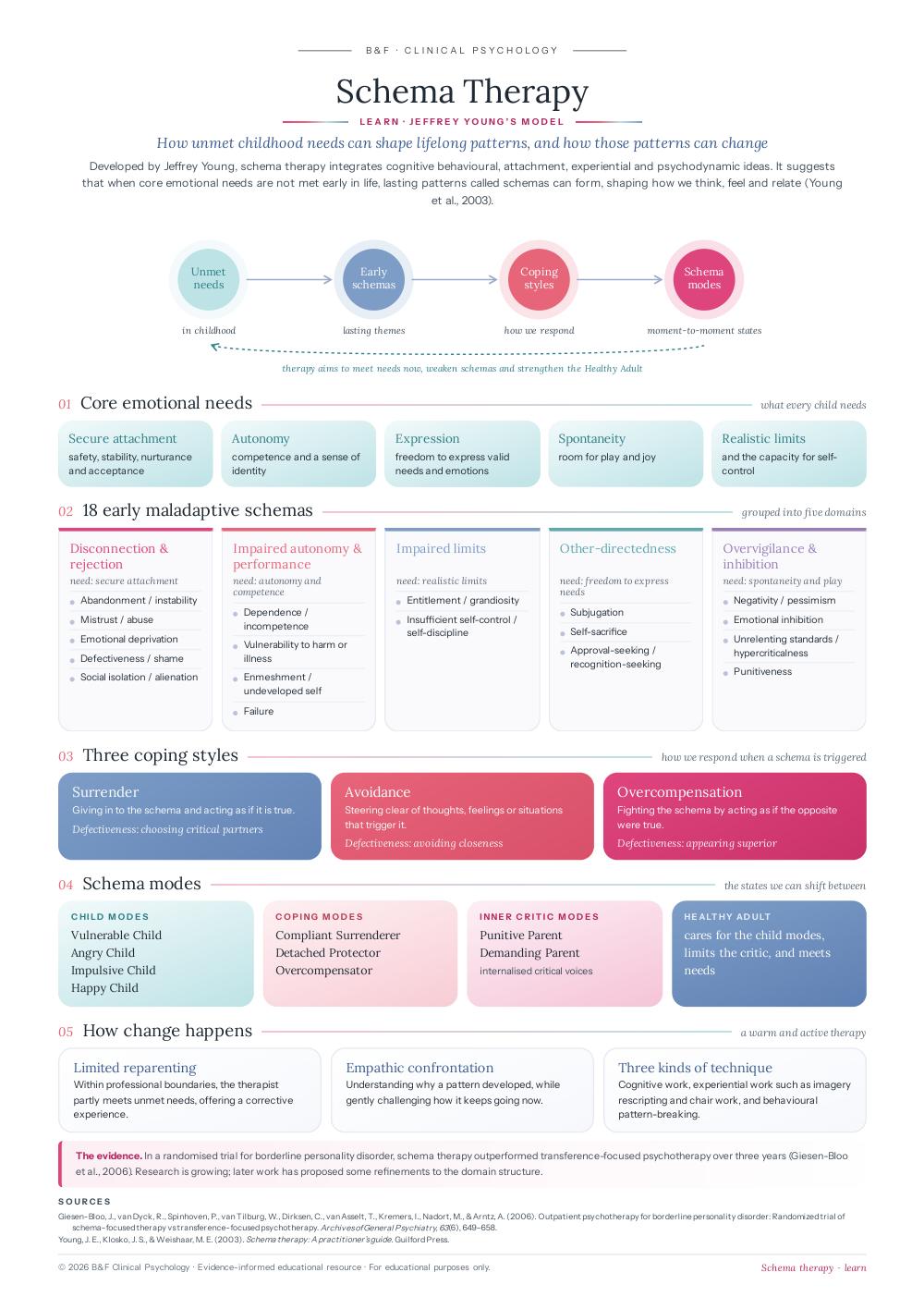
Jeffrey Young: schema therapy
How unmet childhood needs can shape lifelong patterns, and how those patterns can change.
-
 Preview
Learn
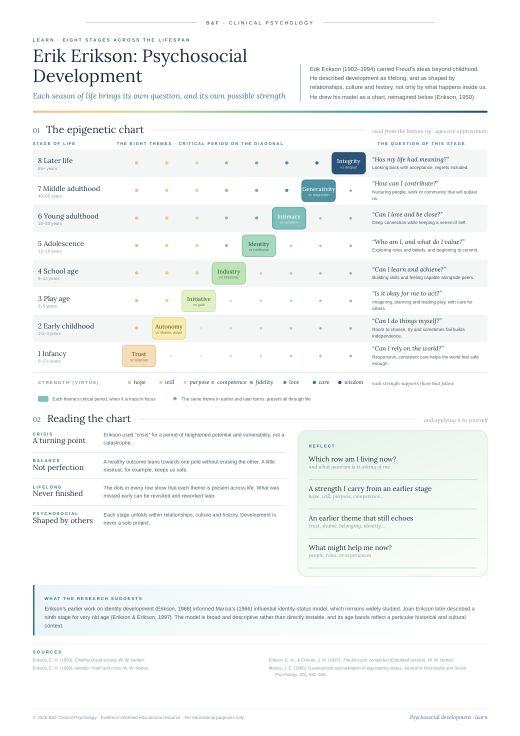
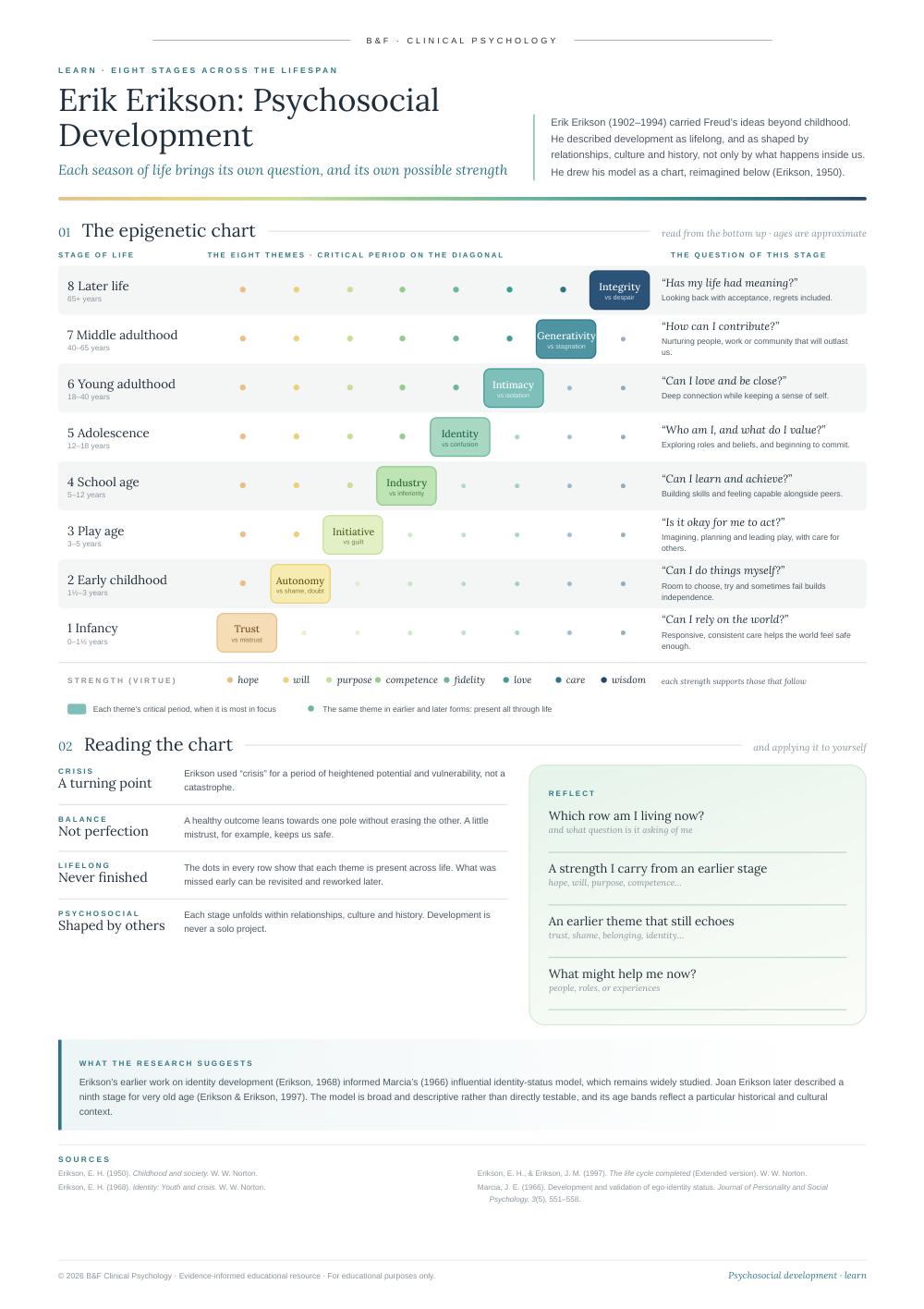
Erik Erikson: psychosocial development
Eight stages across the lifespan, each with its own question and possible strength.
-
 Preview
Learn
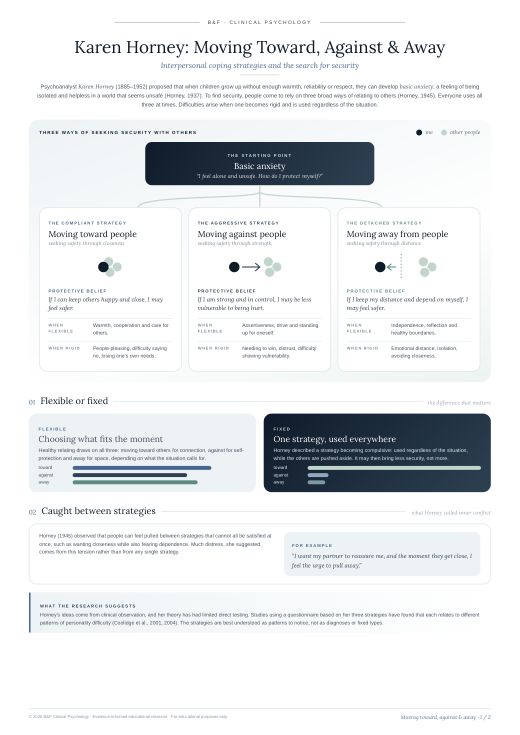
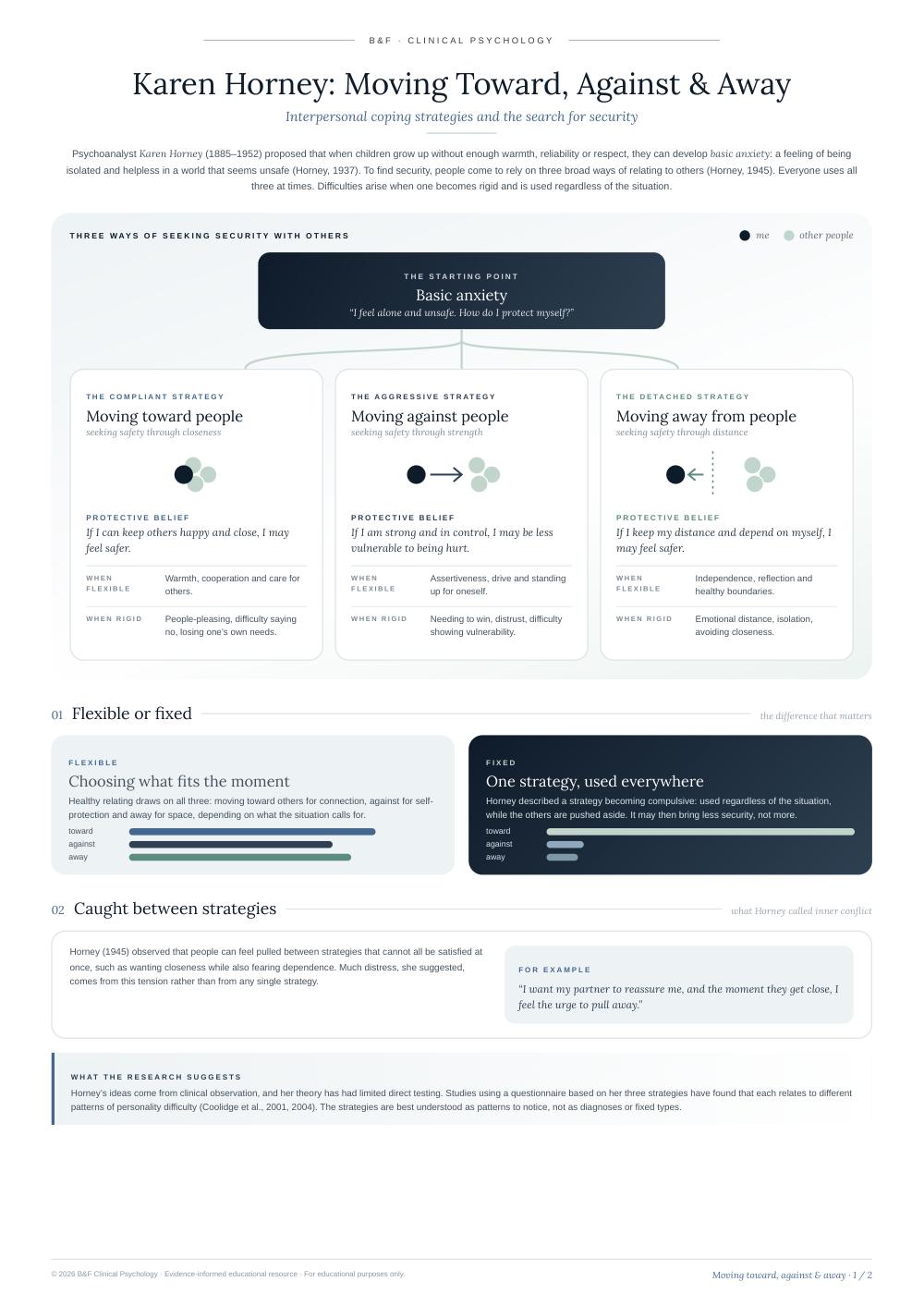
Karen Horney: moving toward, against and away
Interpersonal coping strategies and the search for security.
-
 Preview
Learn
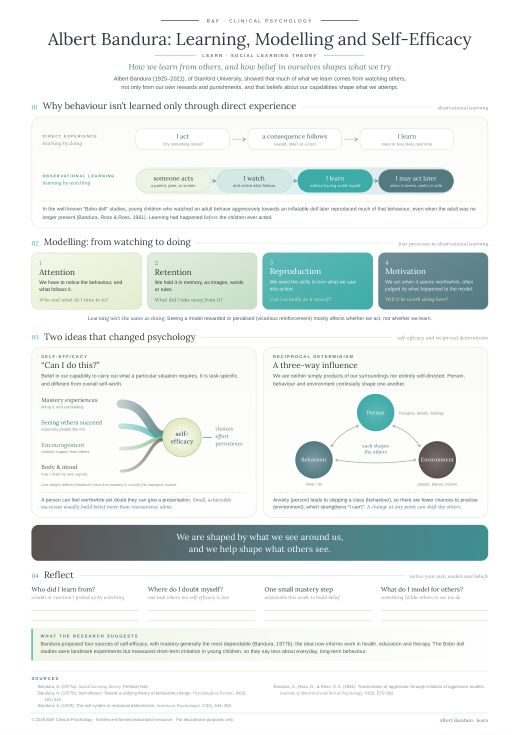
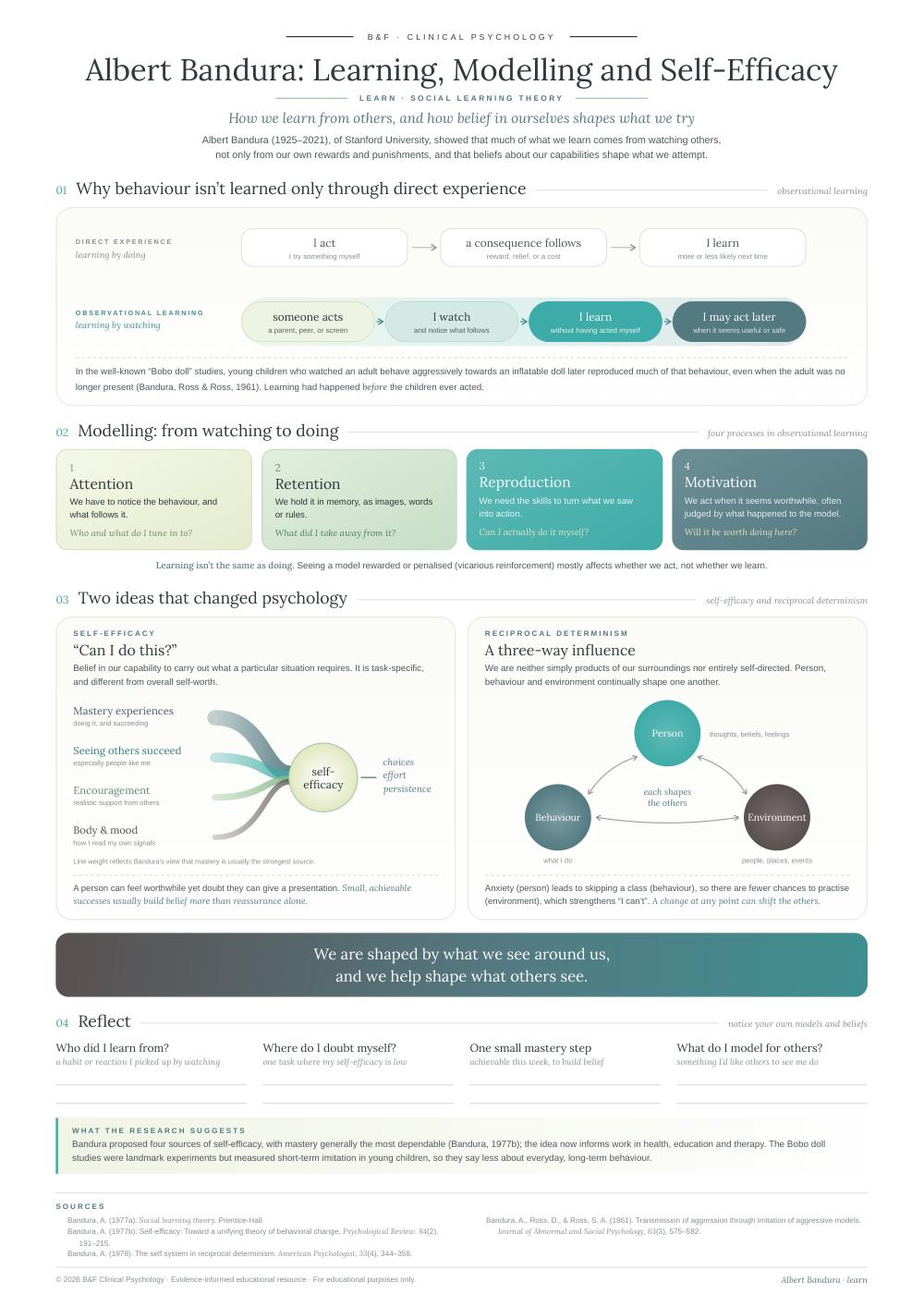
Albert Bandura: learning, modelling and self-efficacy
How we learn from others, and how belief in ourselves shapes what we try.
-
 Preview
Learn
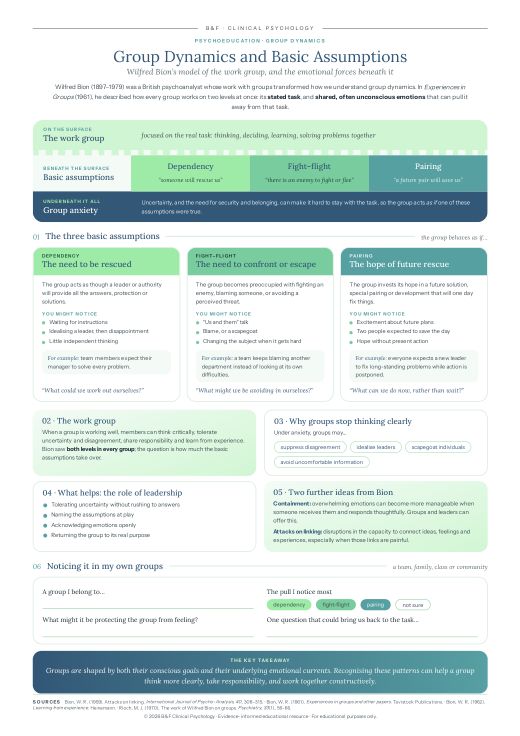
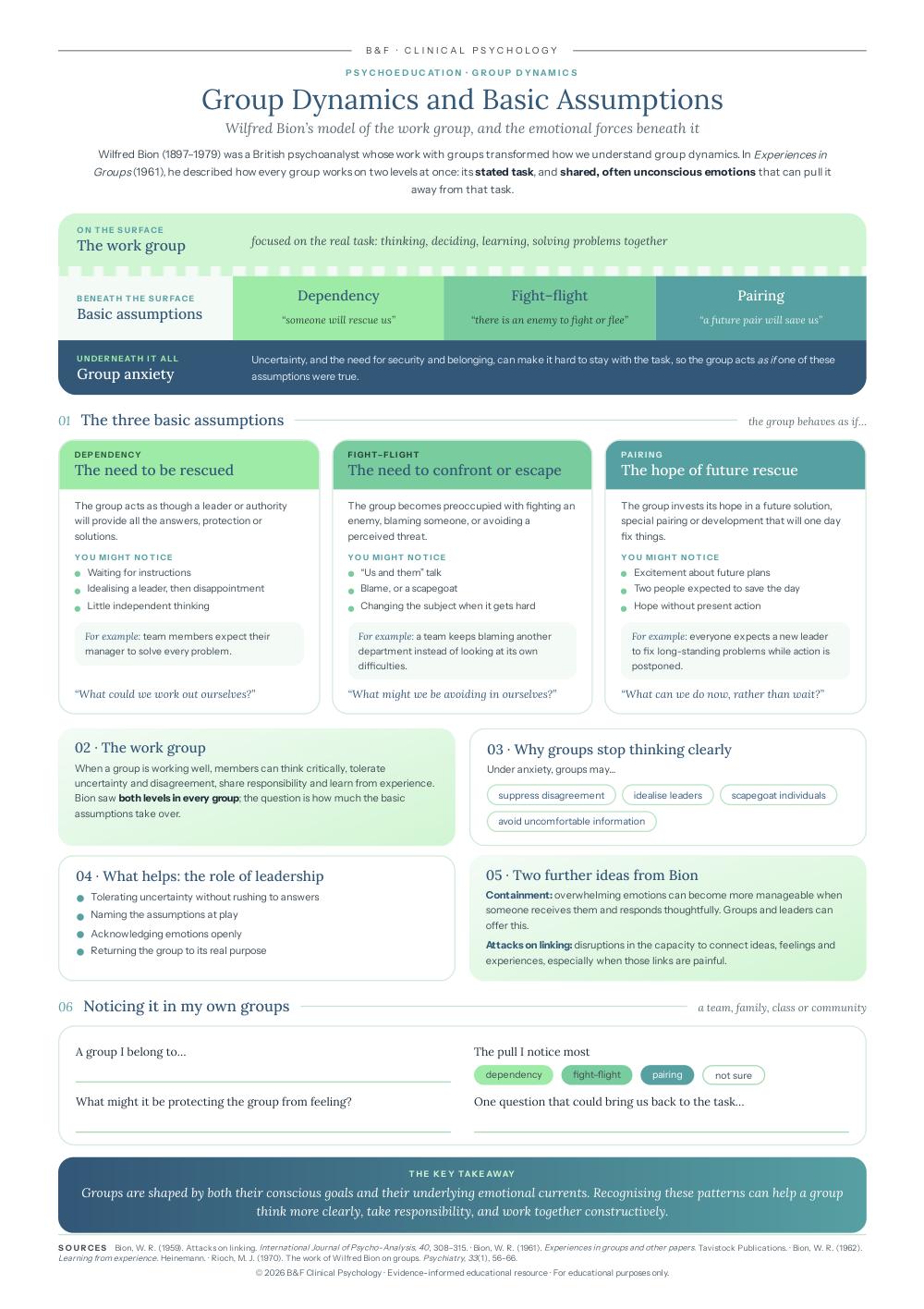
Wilfred Bion: group dynamics and basic assumptions
The work group, and the emotional forces beneath it.
-
 Preview
Learn
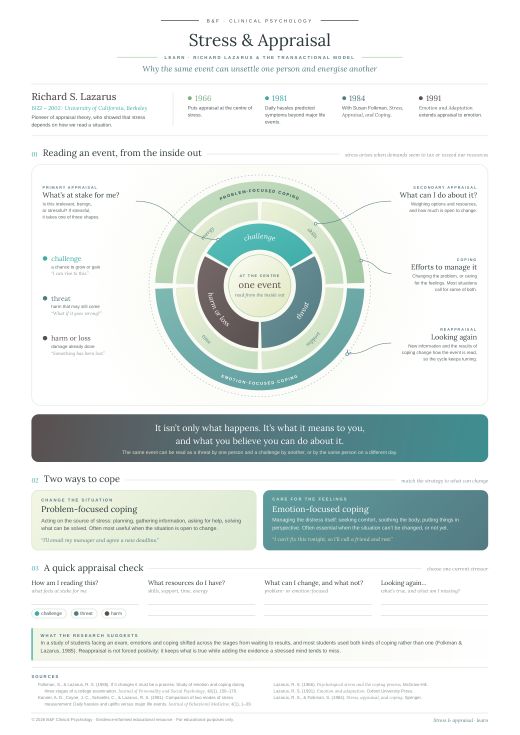
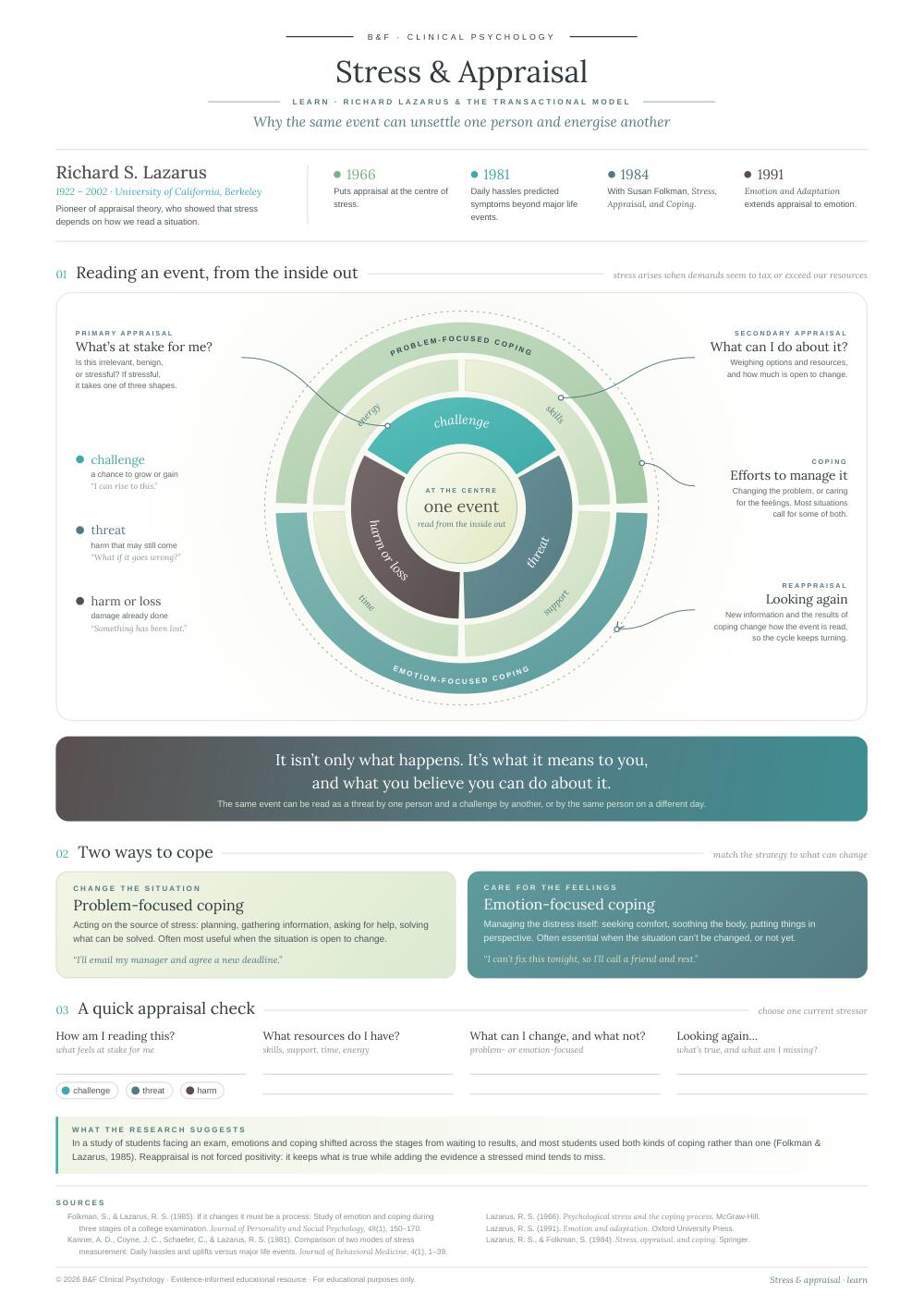
Richard Lazarus: stress and appraisal
Why the same event can unsettle one person and energise another.
Concepts 21
-
 Preview
Learn
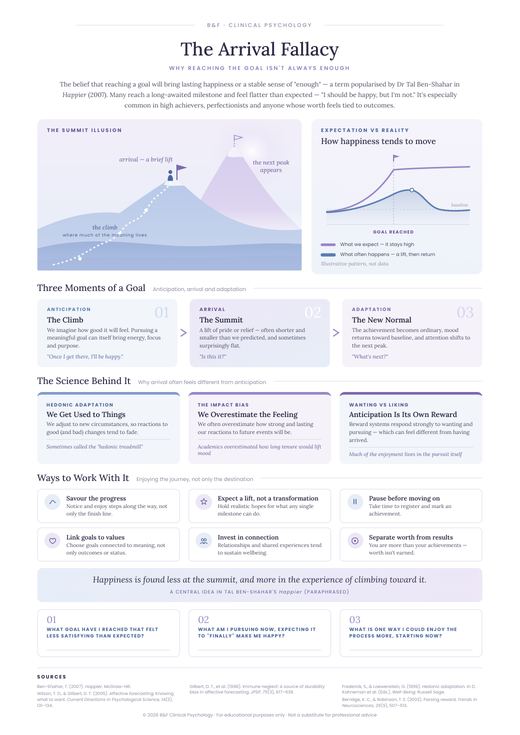
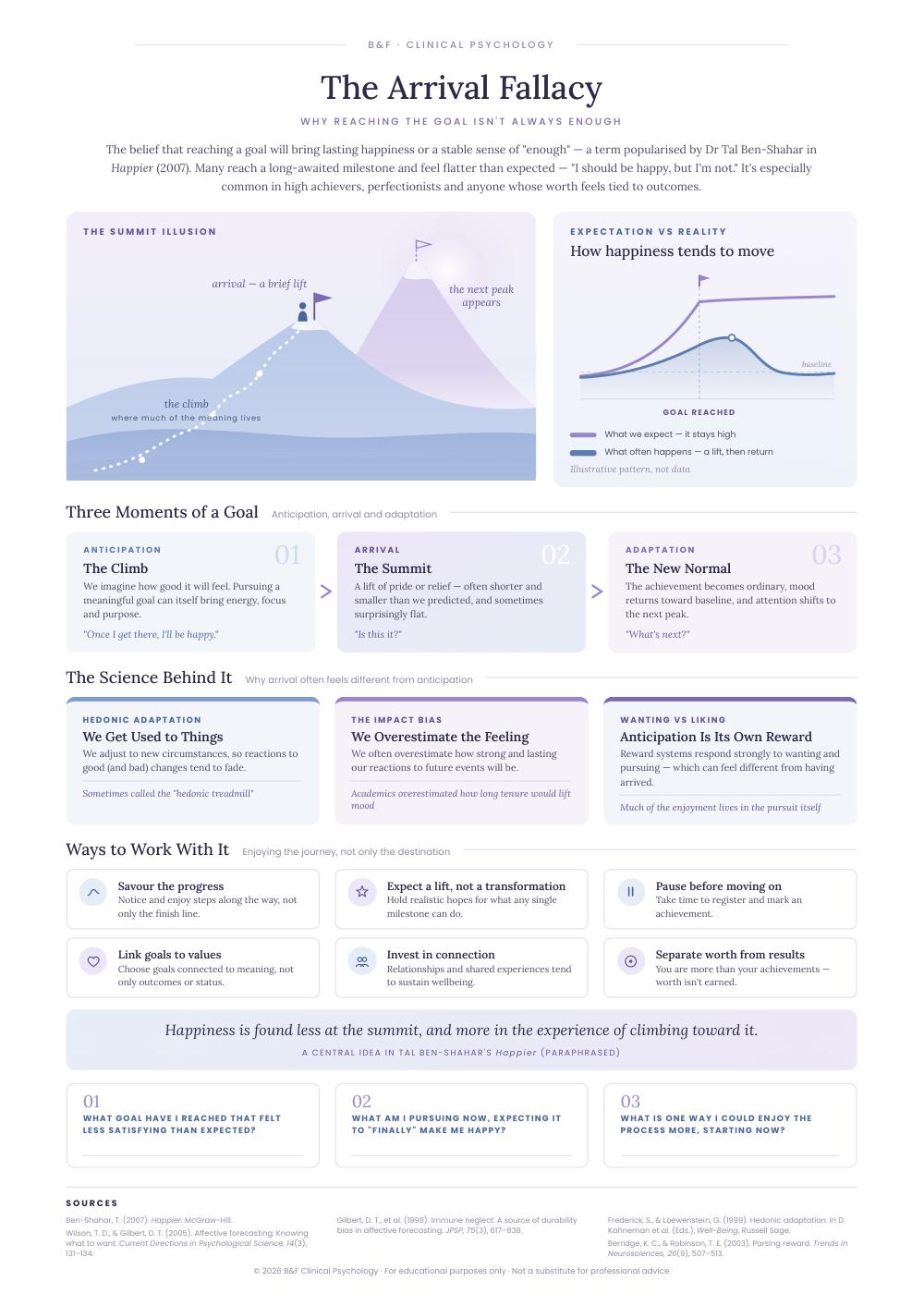
The arrival fallacy
Why reaching the goal is not always enough, from Tal Ben-Shahar.
-
 Preview
Learn
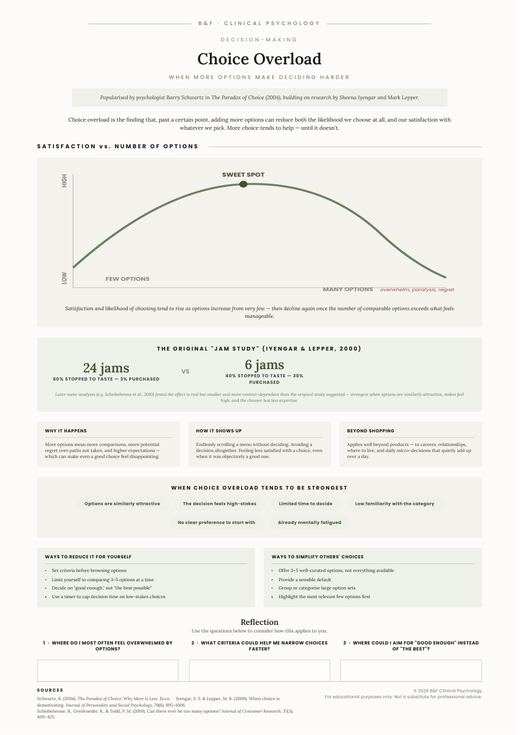
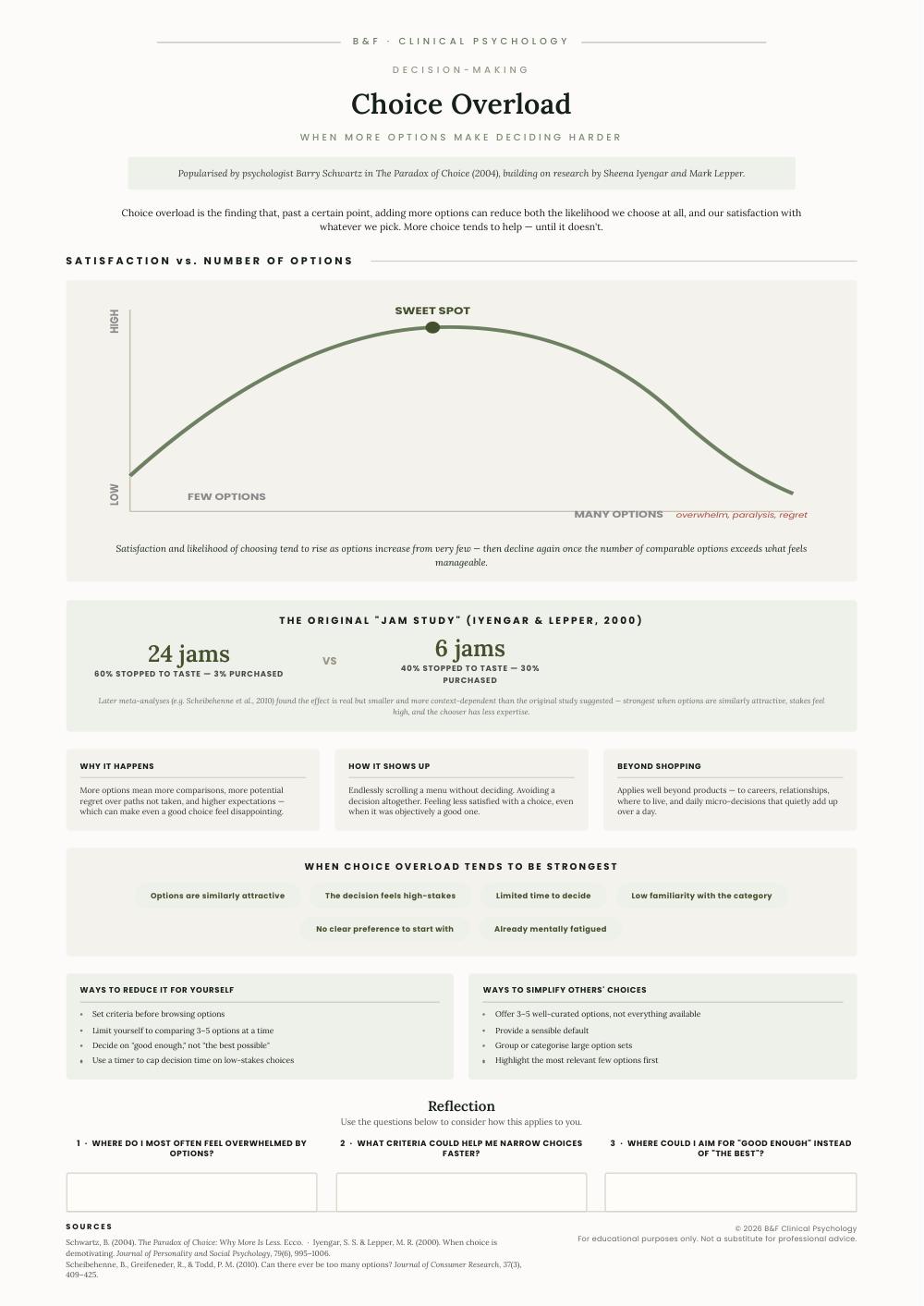
Choice overload
When more options make deciding harder, from Schwartz's Paradox of Choice.
-
 Preview
Learn
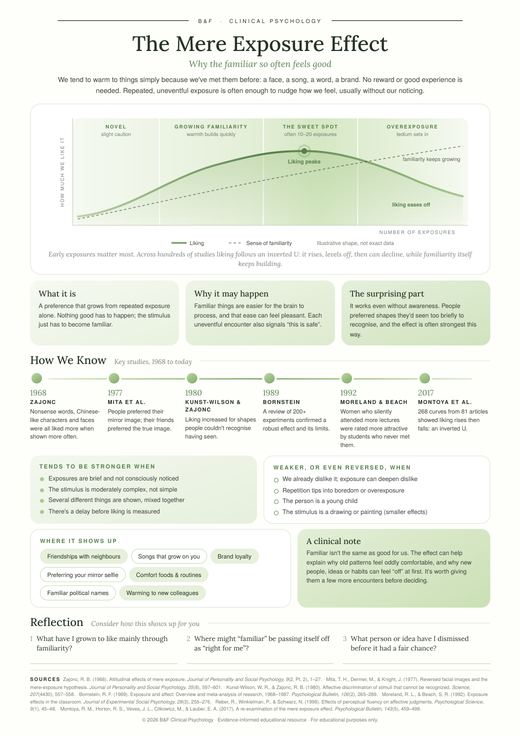
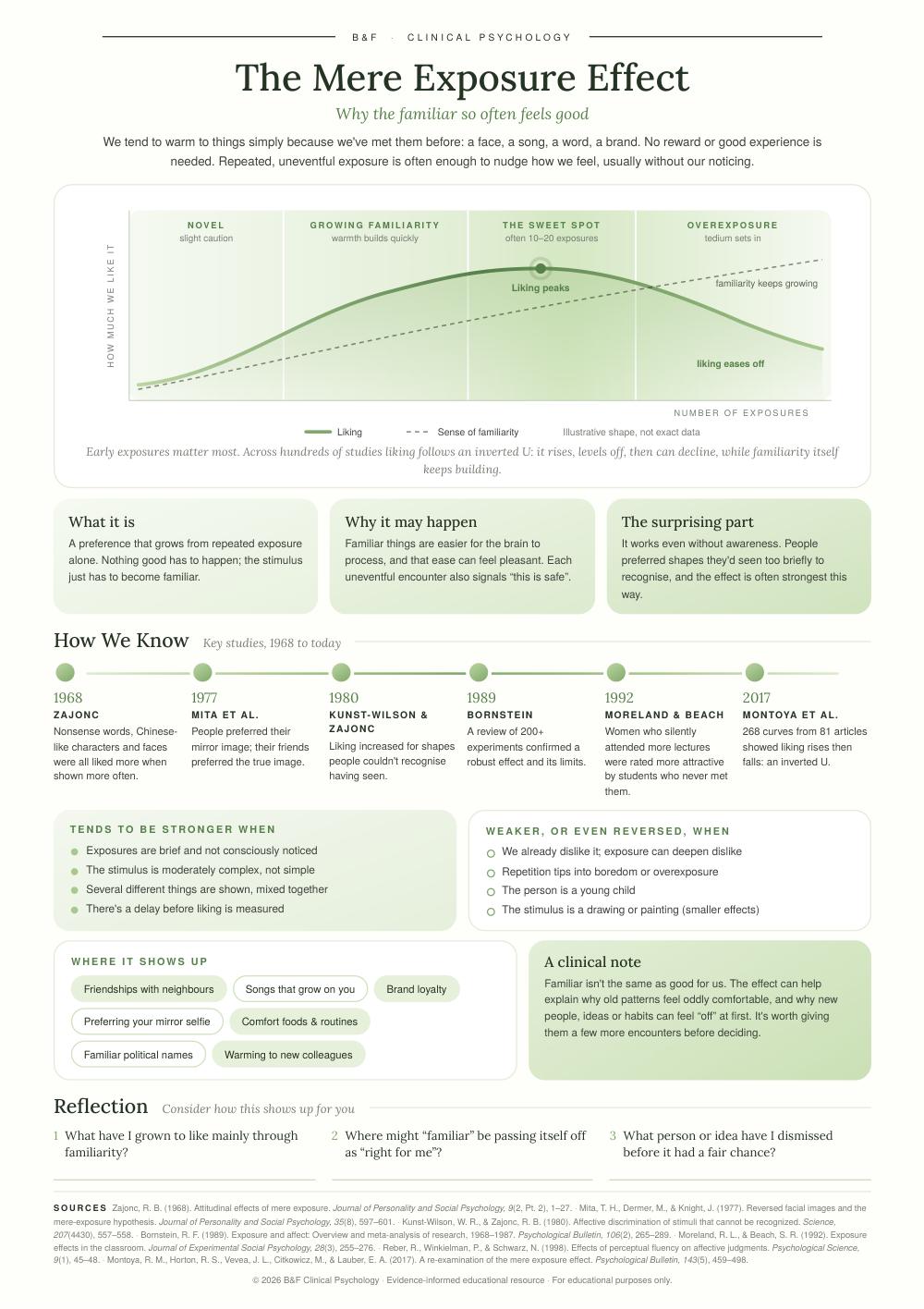
The mere exposure effect
Why the familiar so often feels good: repeated, uneventful exposure is enough to shift how we feel.
-
 Preview
Learn
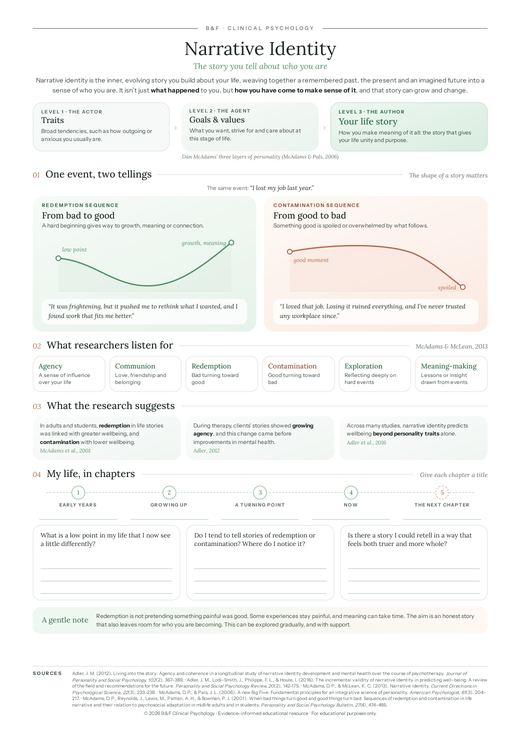
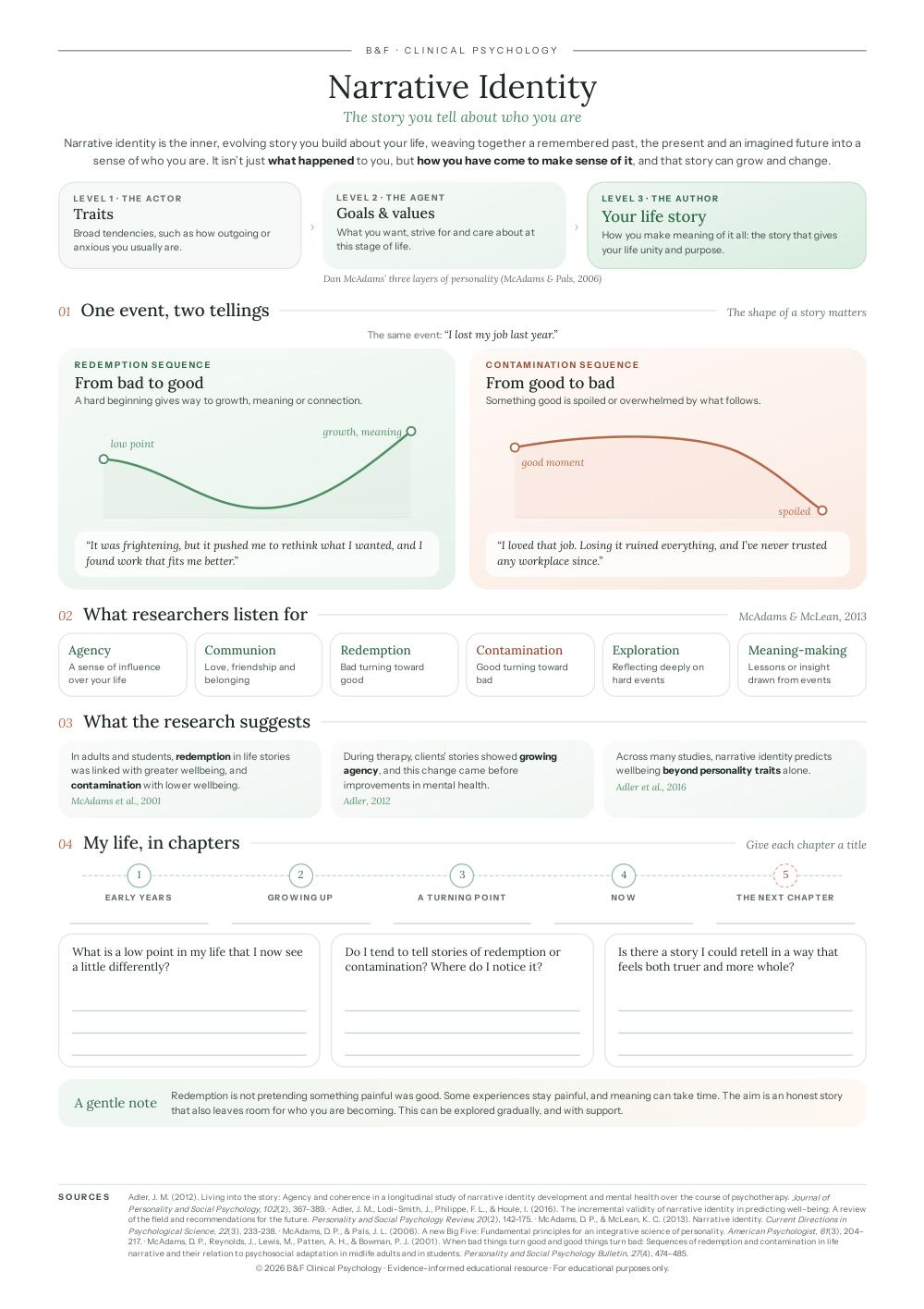
Narrative identity
The story you tell about who you are, and how it can be rewritten, from Dan McAdams.
-
 Preview
Learn
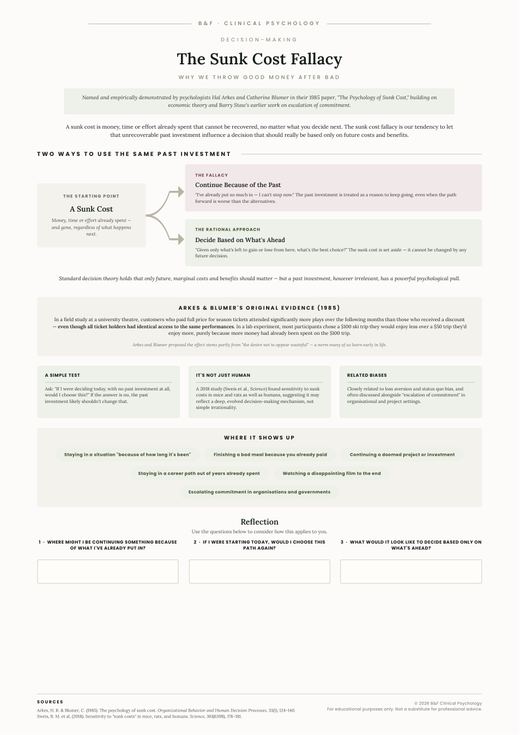
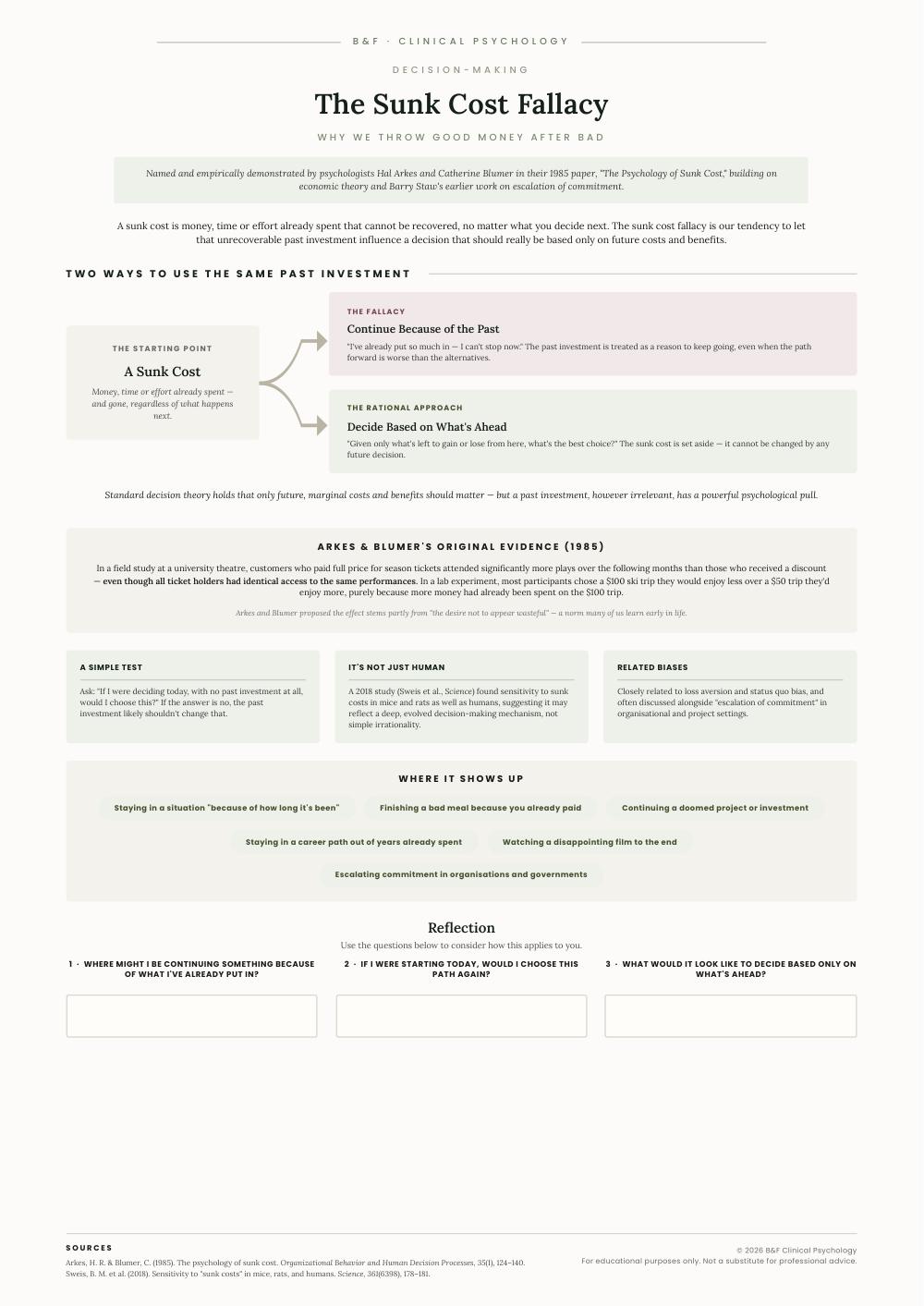
The sunk cost fallacy
Why we throw good money after bad, and how to notice when we are doing it.
-
 Preview
Learn
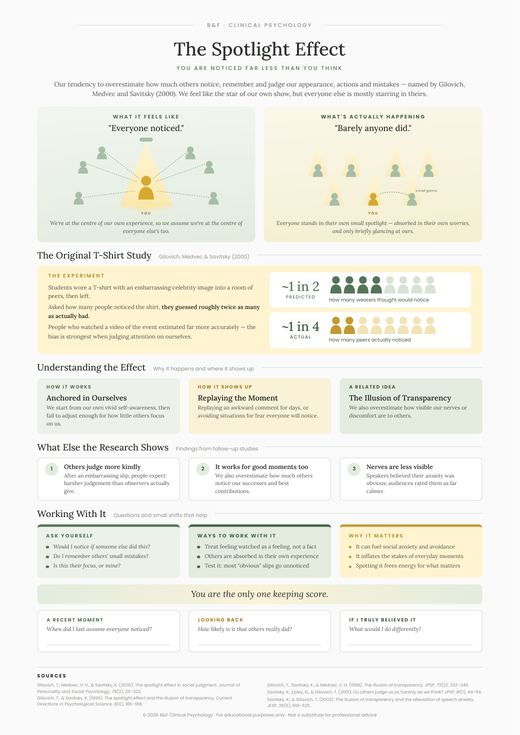
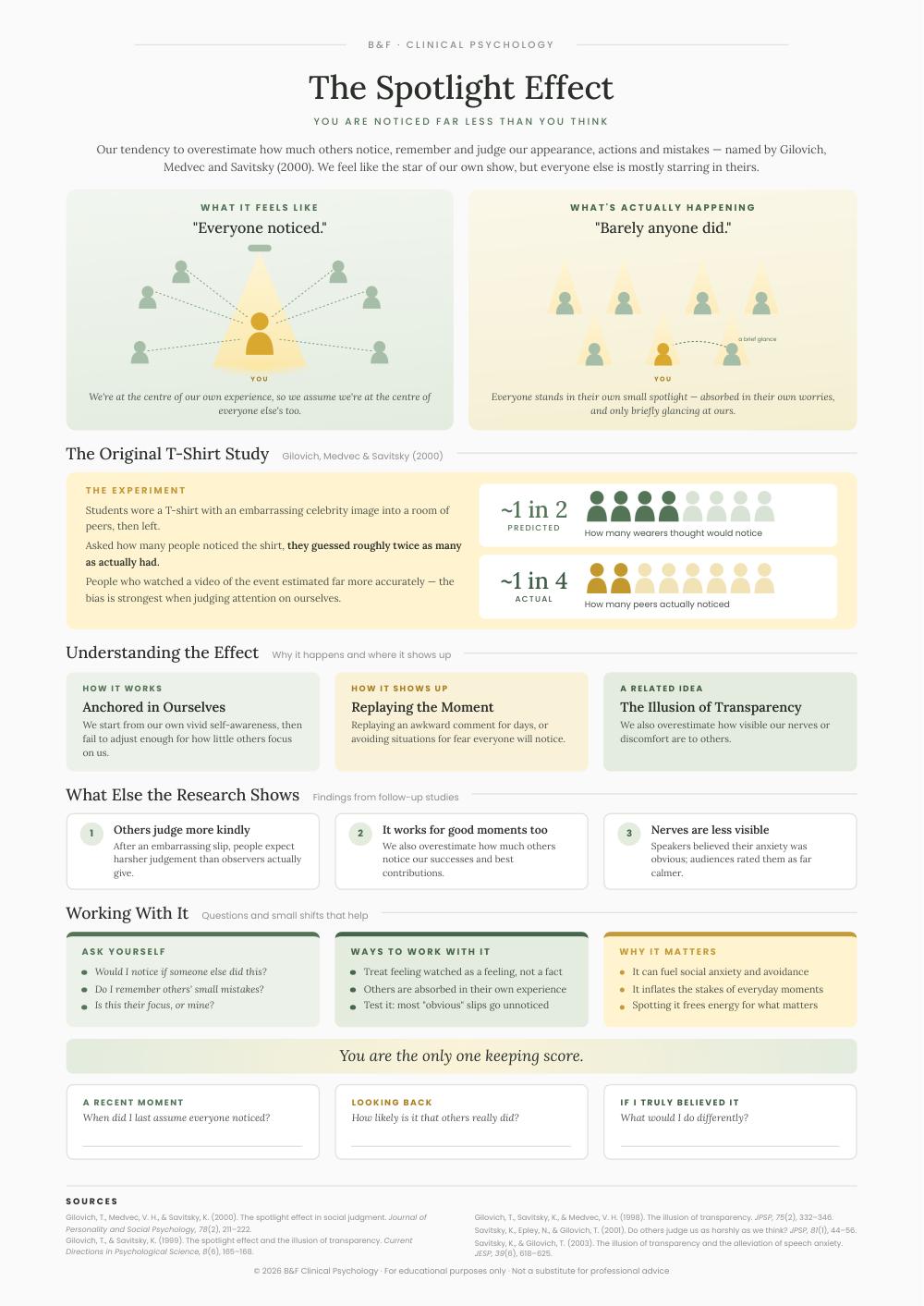
The spotlight effect
You are noticed far less than you think. The research behind the relief.
-
 Preview
Learn
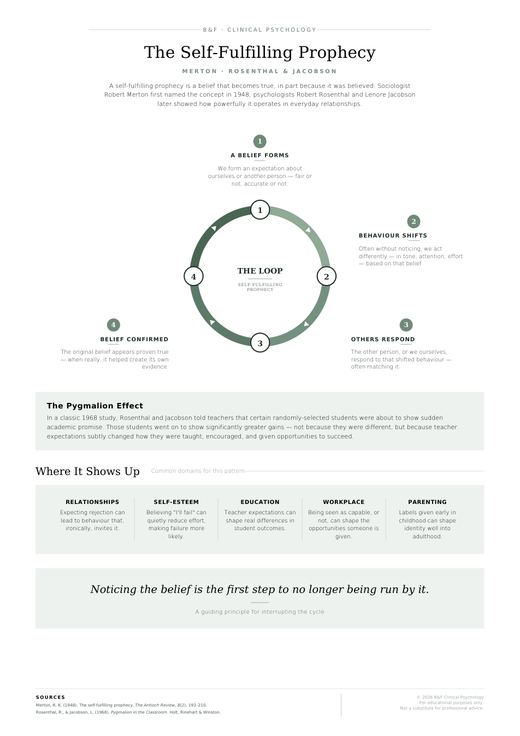
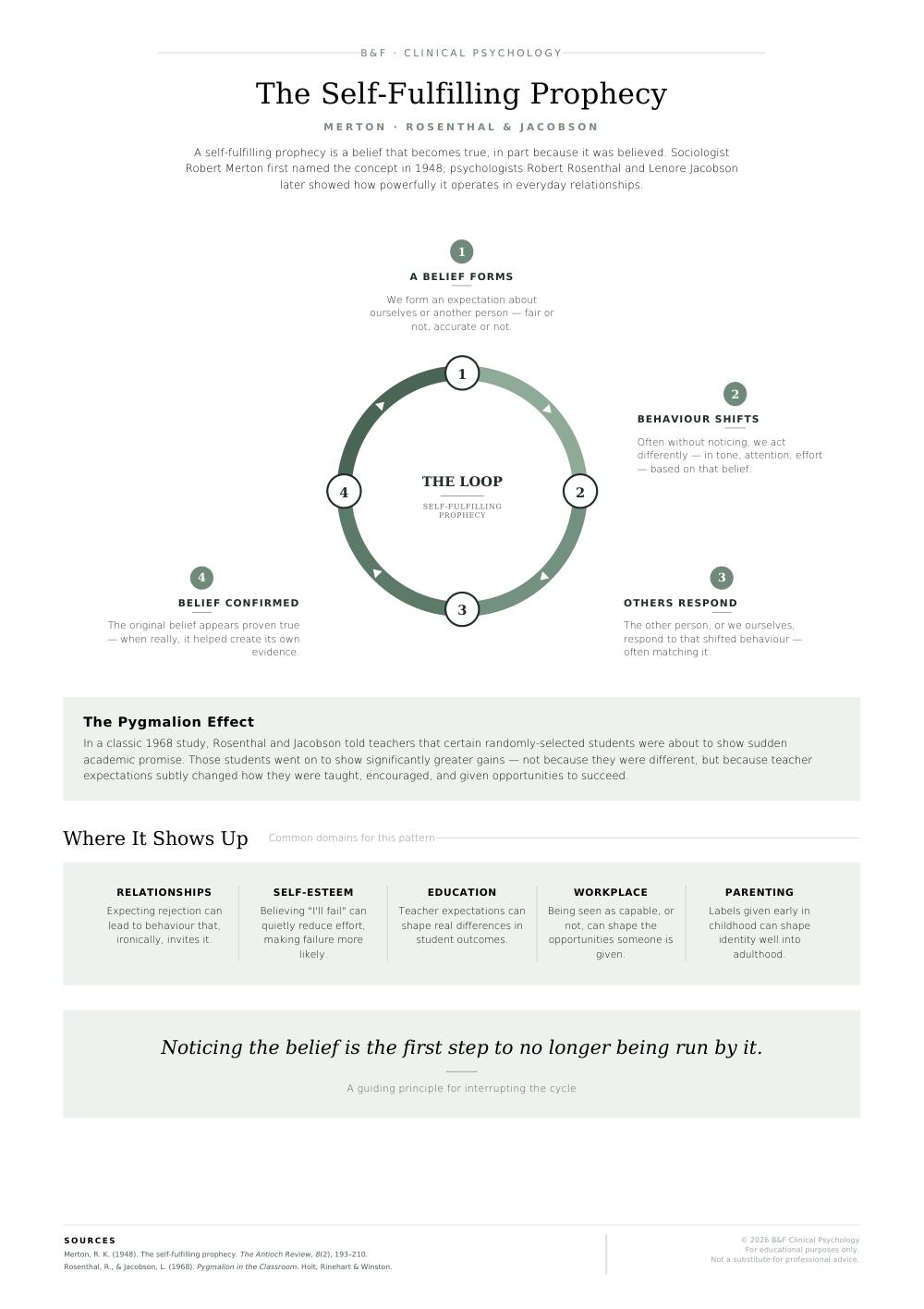
The self-fulfilling prophecy
A belief that comes true partly because it was believed, from Merton to Rosenthal.
-
 Preview
Learn
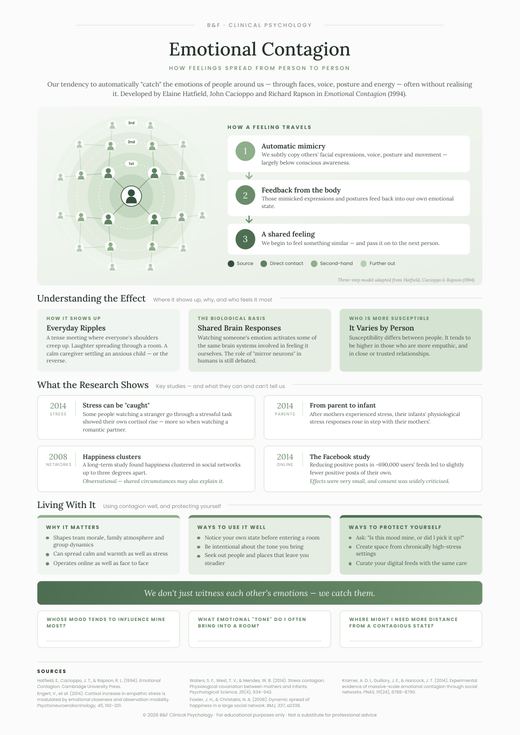
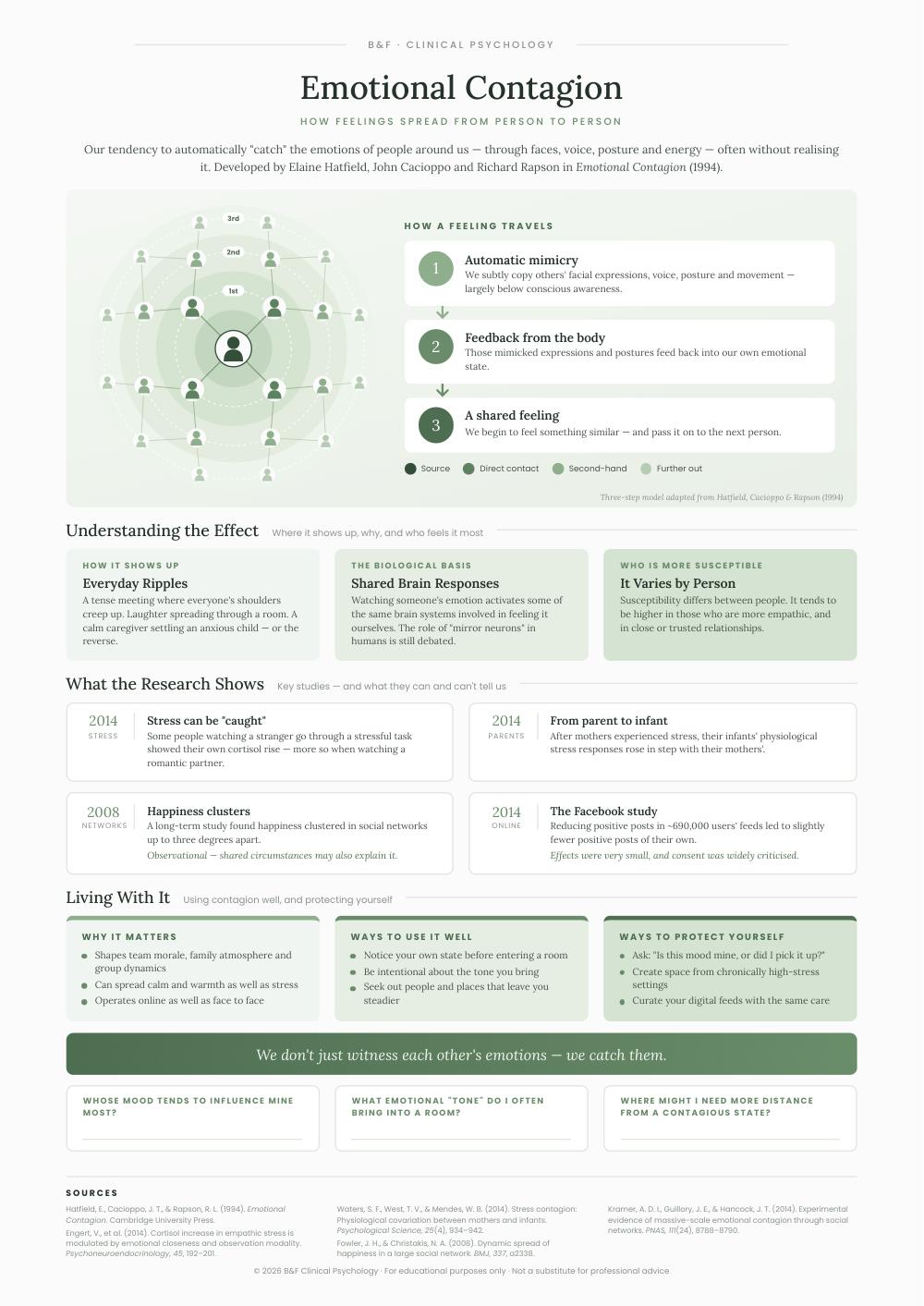
Emotional contagion
How we automatically catch the emotions of people around us, often without realising it.
-
 Preview
Learn
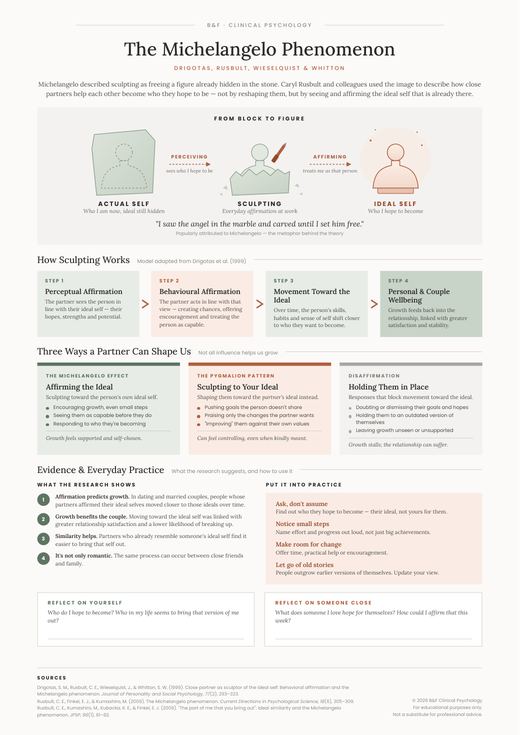
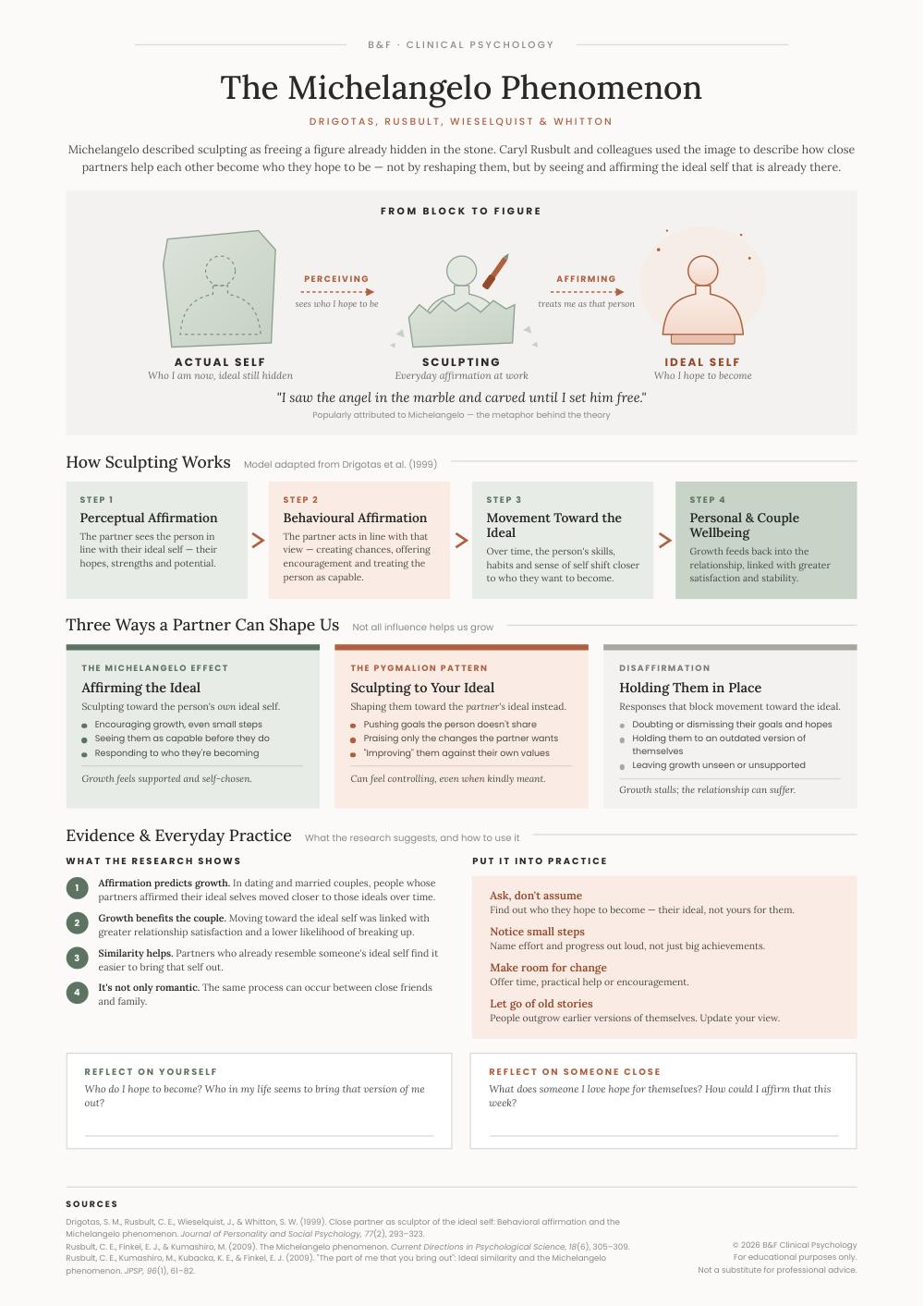
The Michelangelo phenomenon
How close partners help each other become who they hope to be, by seeing and affirming the ideal self.
-
 Preview
Learn
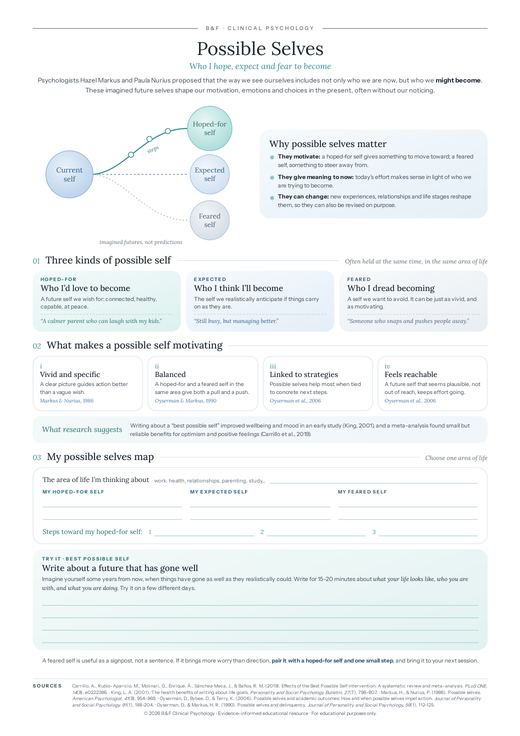
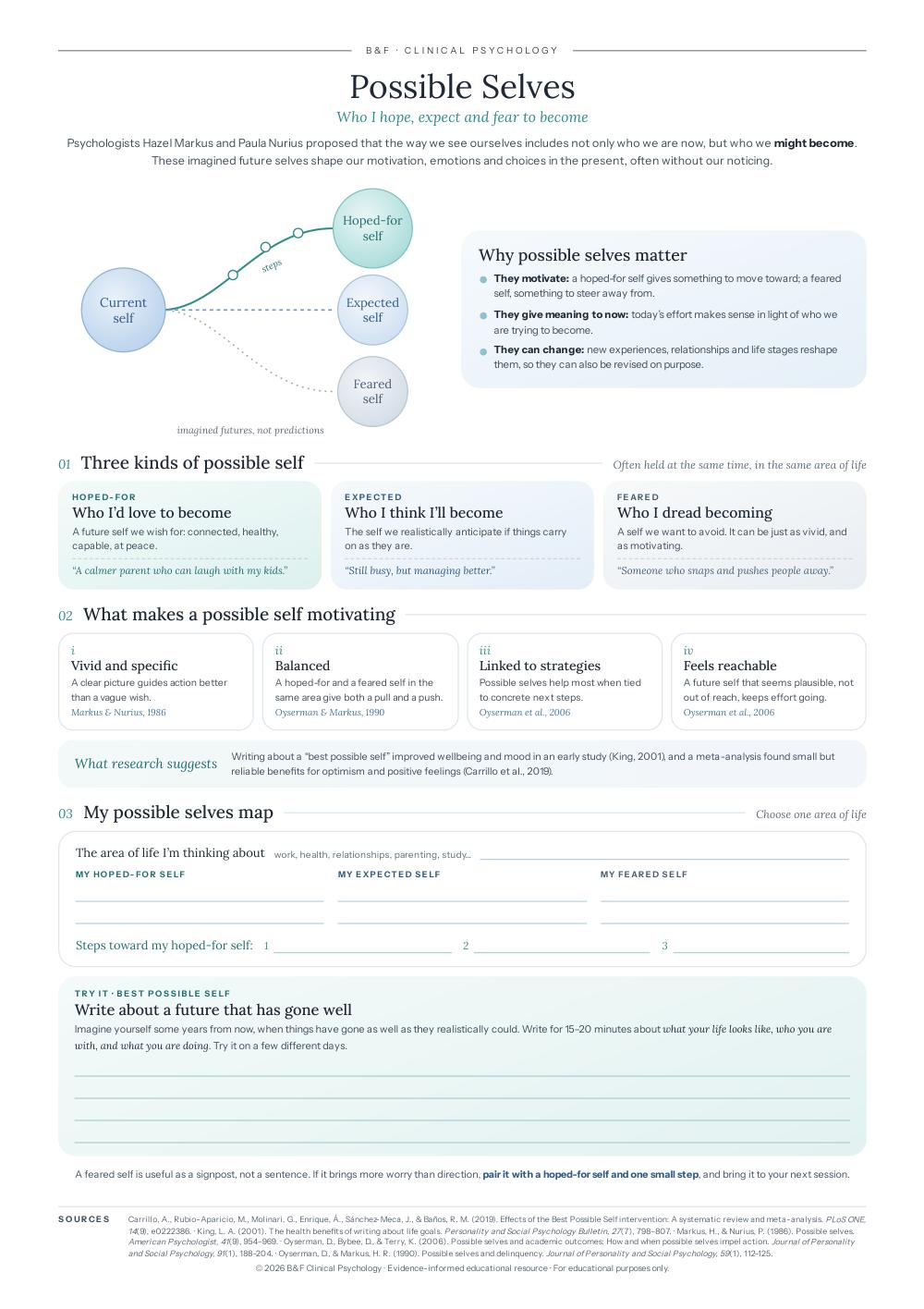
Possible selves
Who you hope, expect and fear to become, and how those imagined selves shape the present.
-
 Preview
Learn
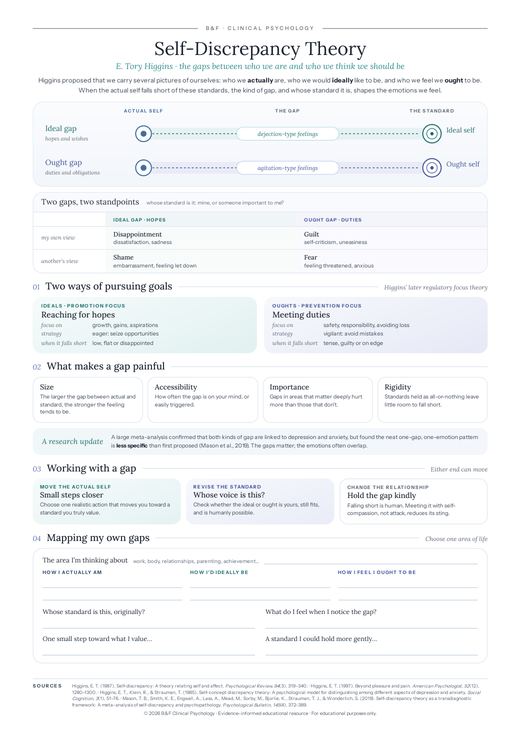
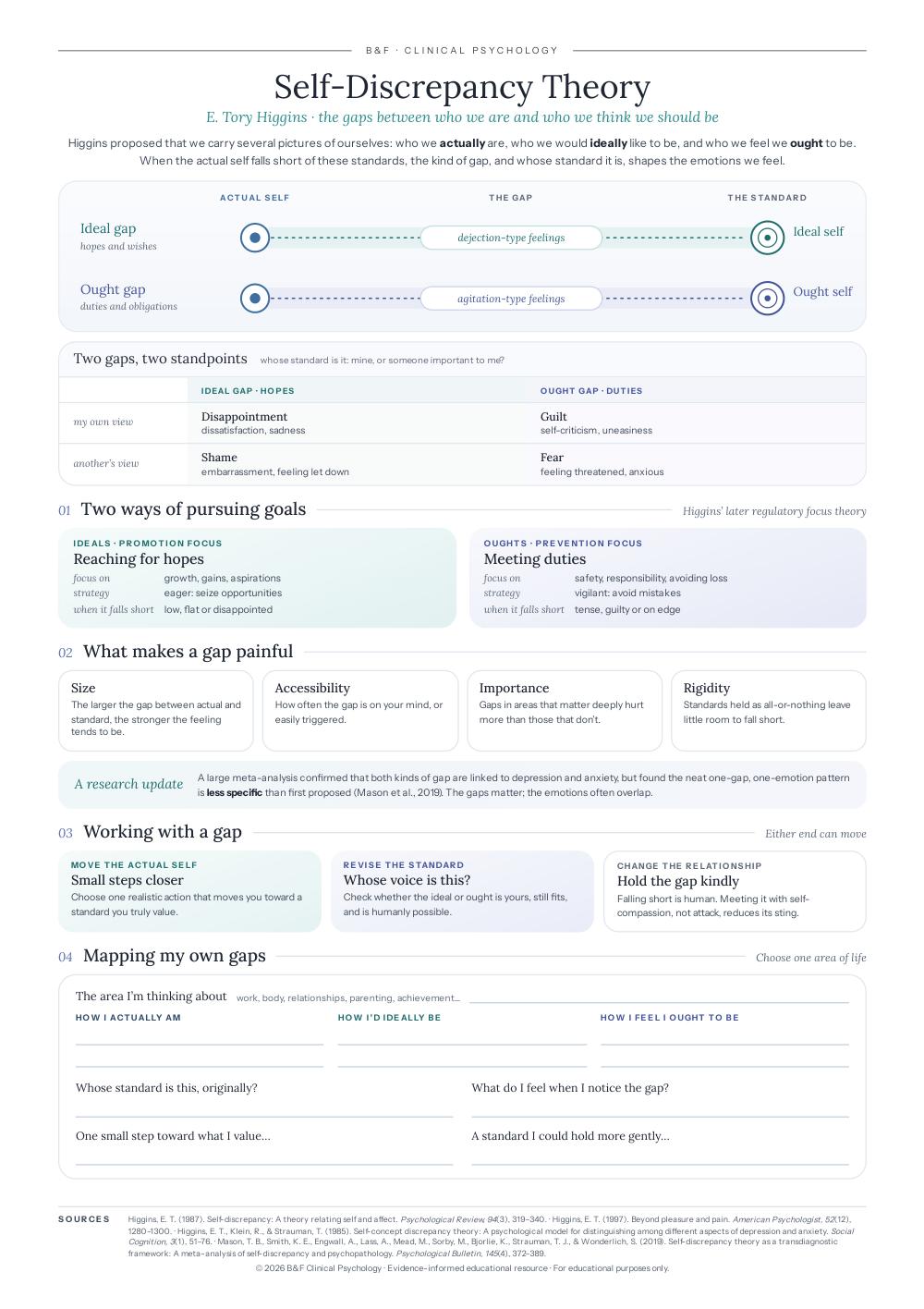
Self-discrepancy theory
E. Tory Higgins on the gaps between who we are, who we would like to be and who we feel we ought to be.
-
 Preview
Learn
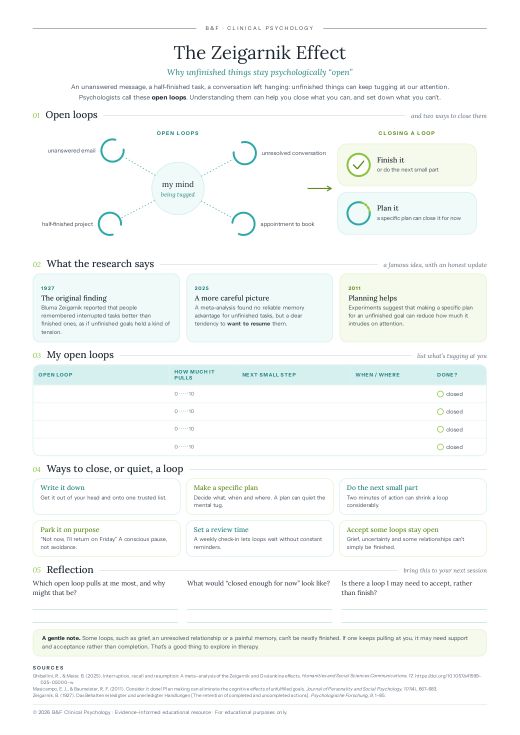
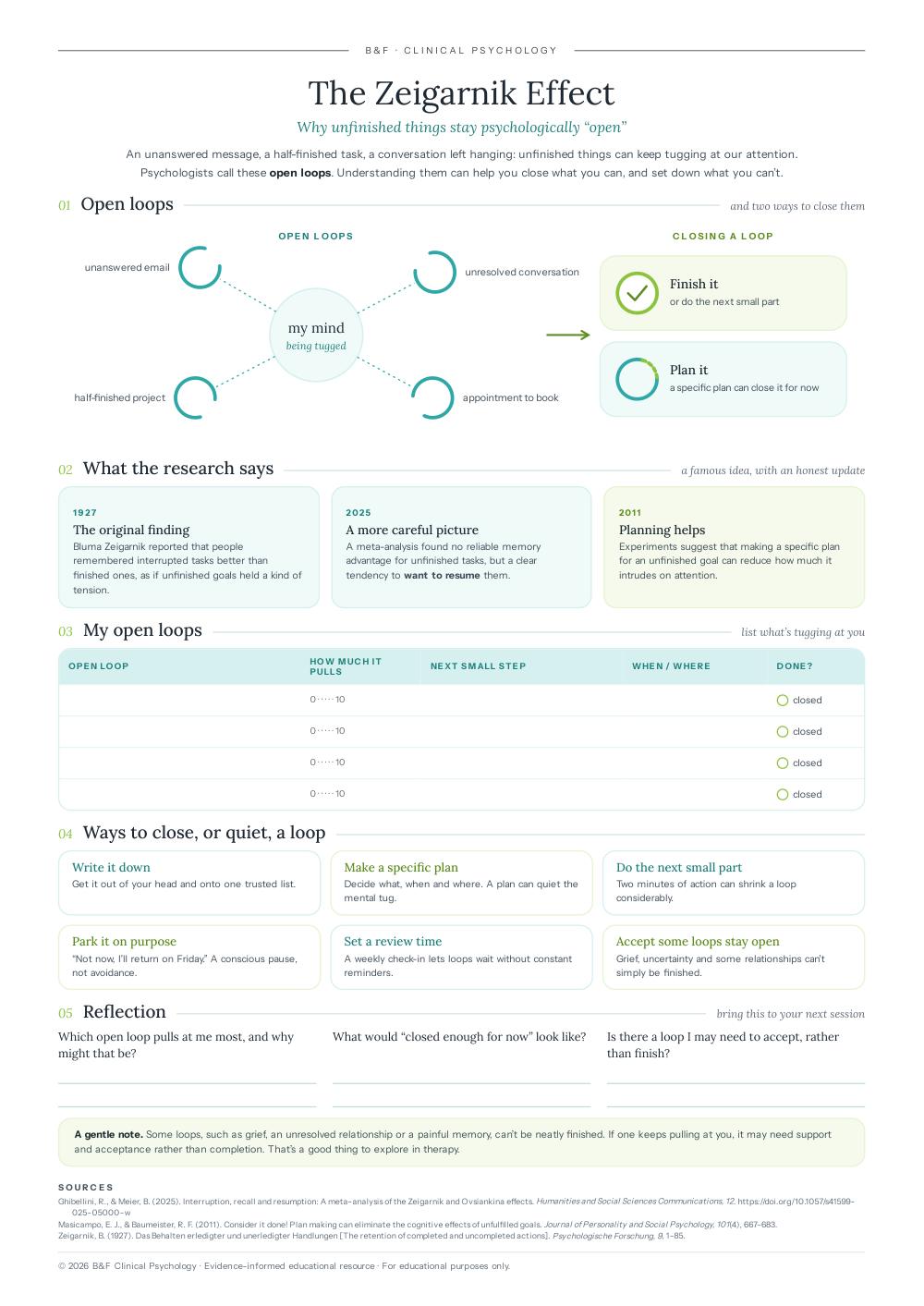
The Zeigarnik effect
Why unfinished things stay psychologically open, and how to close what you can.
-
 Preview
Learn
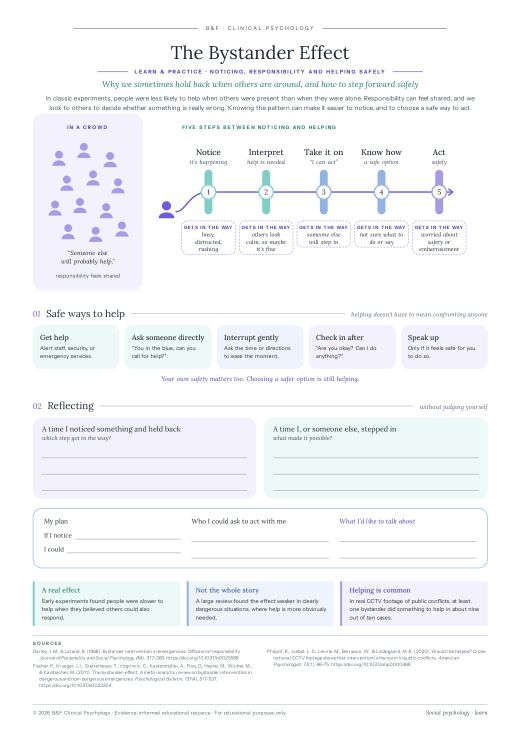
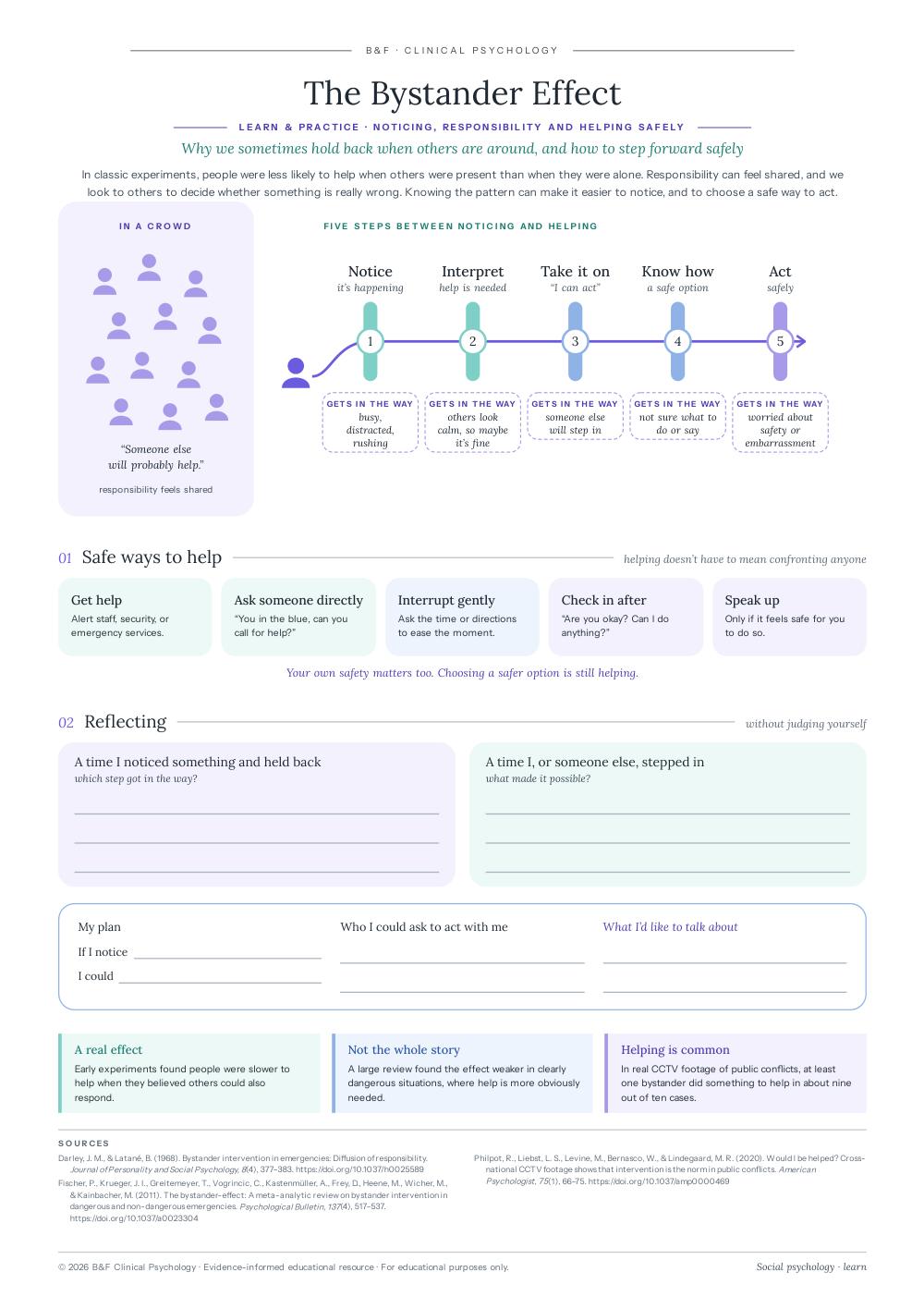
The bystander effect
Why we sometimes hold back when others are around, and how to step forward safely.
-
 Preview
Learn
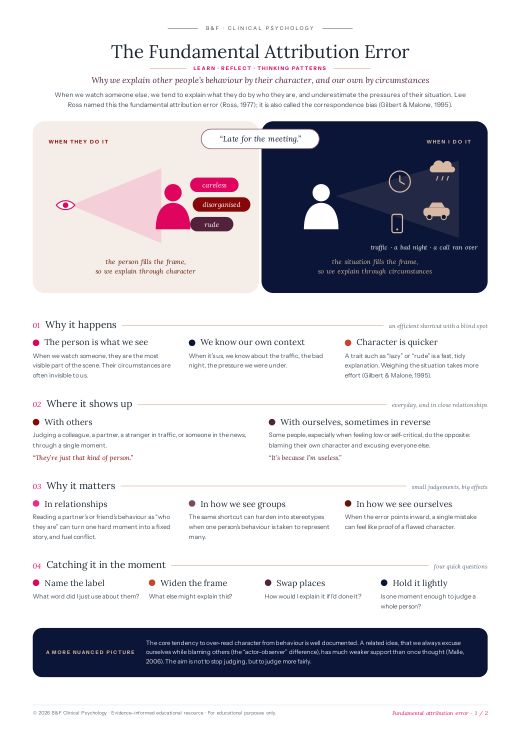
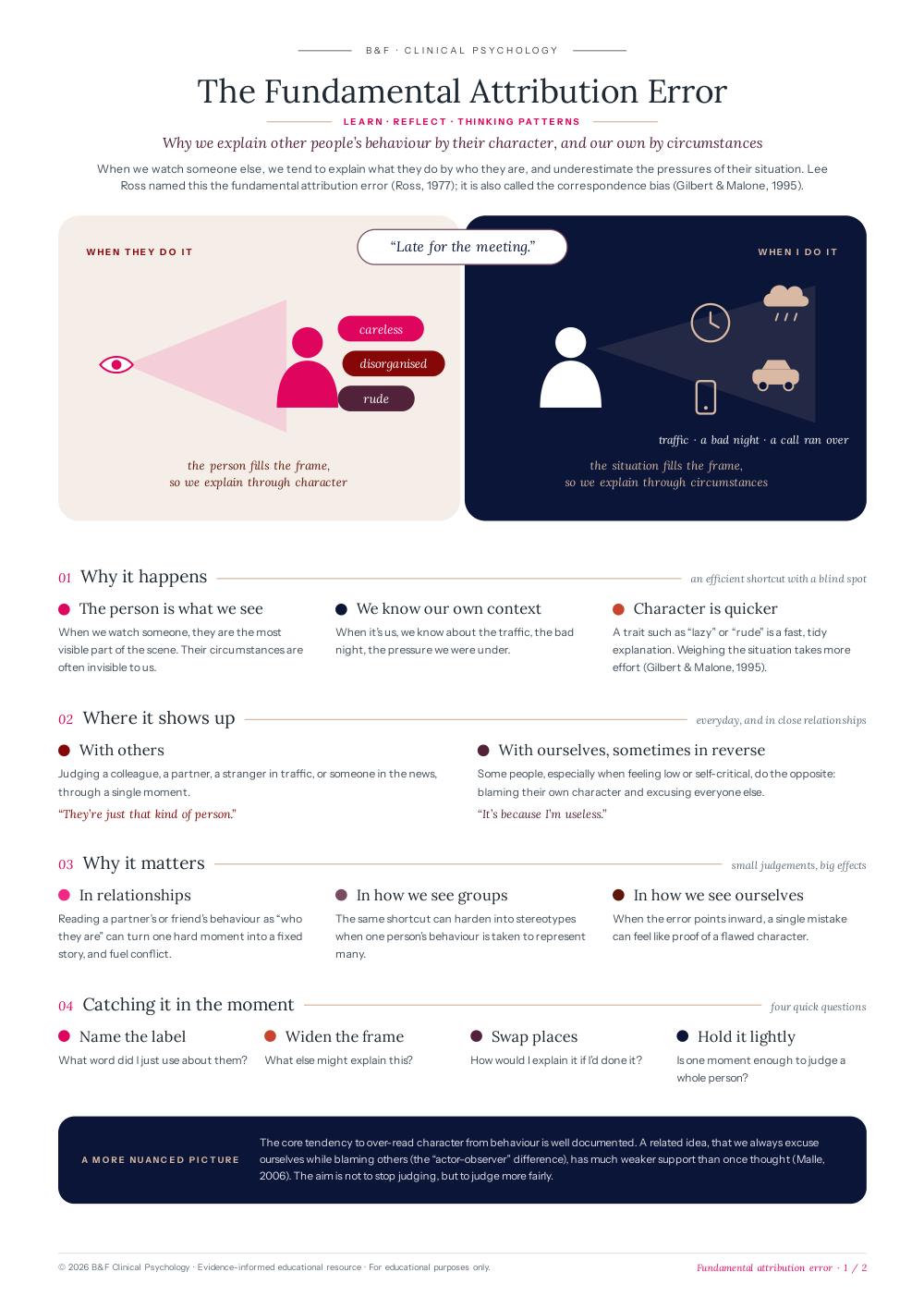
The fundamental attribution error
Why we explain other people's behaviour by their character, and our own by circumstances.
-
 Preview
Learn
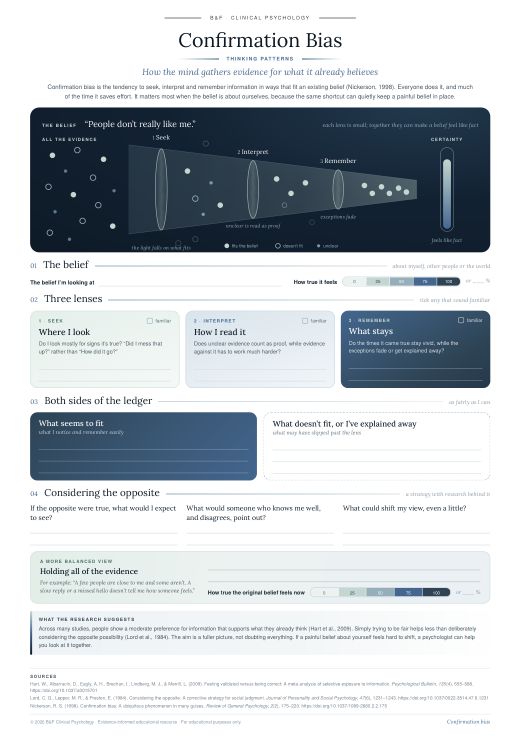
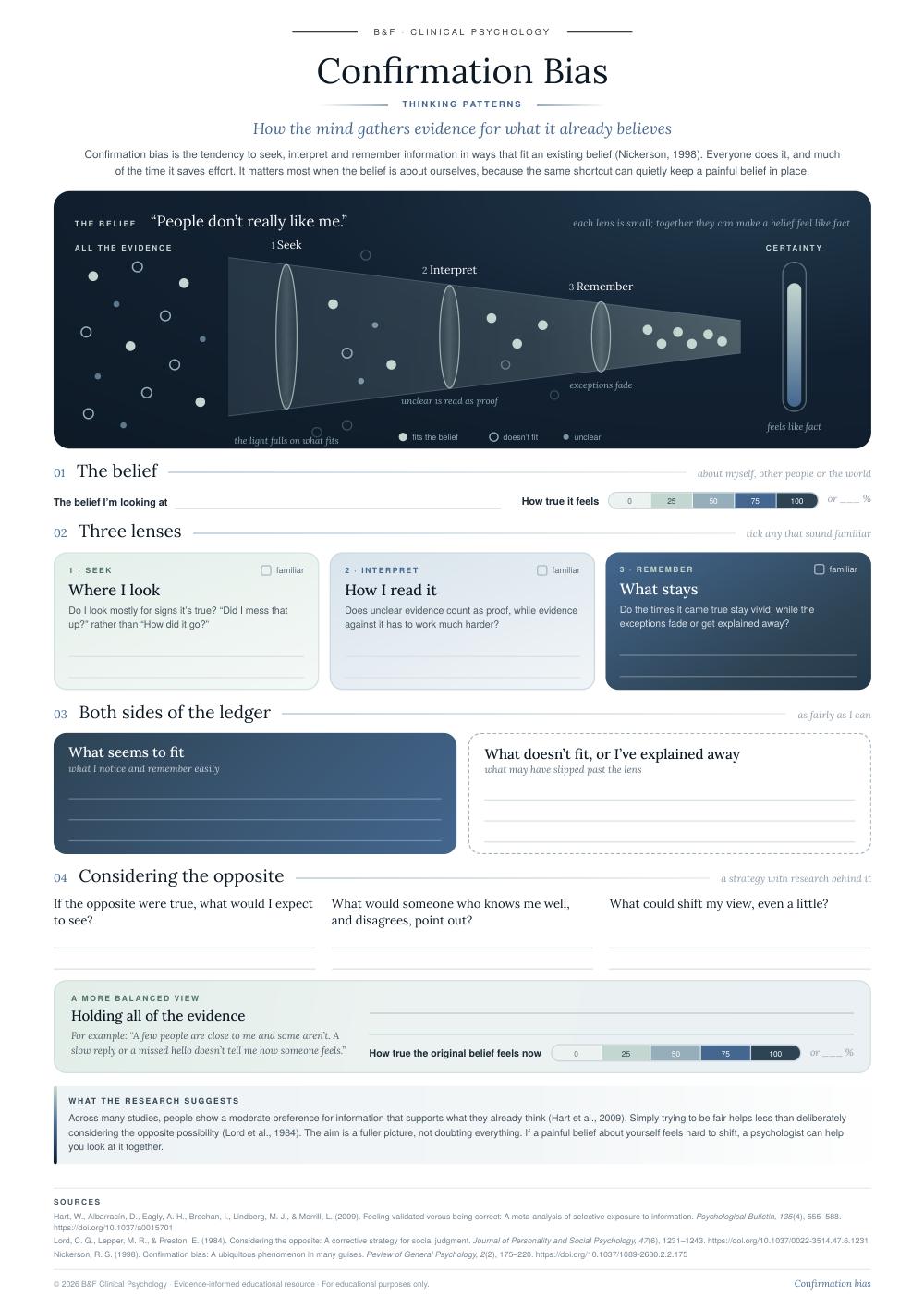
Confirmation bias
How the mind gathers evidence for what it already believes.
-
 Preview
Learn
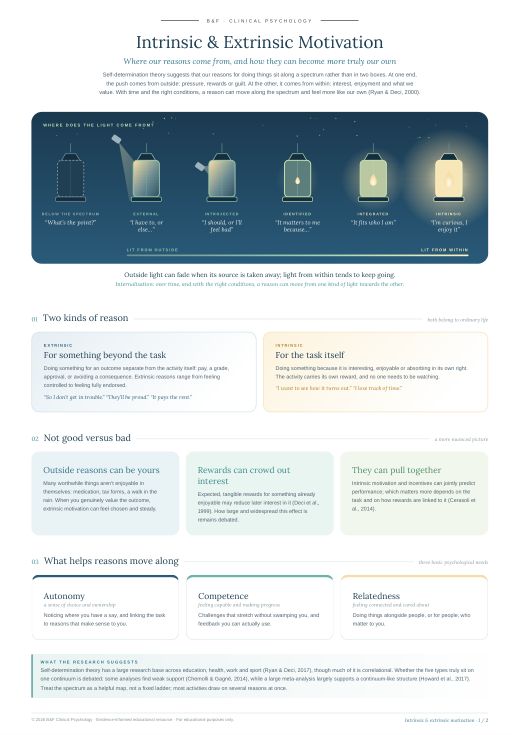
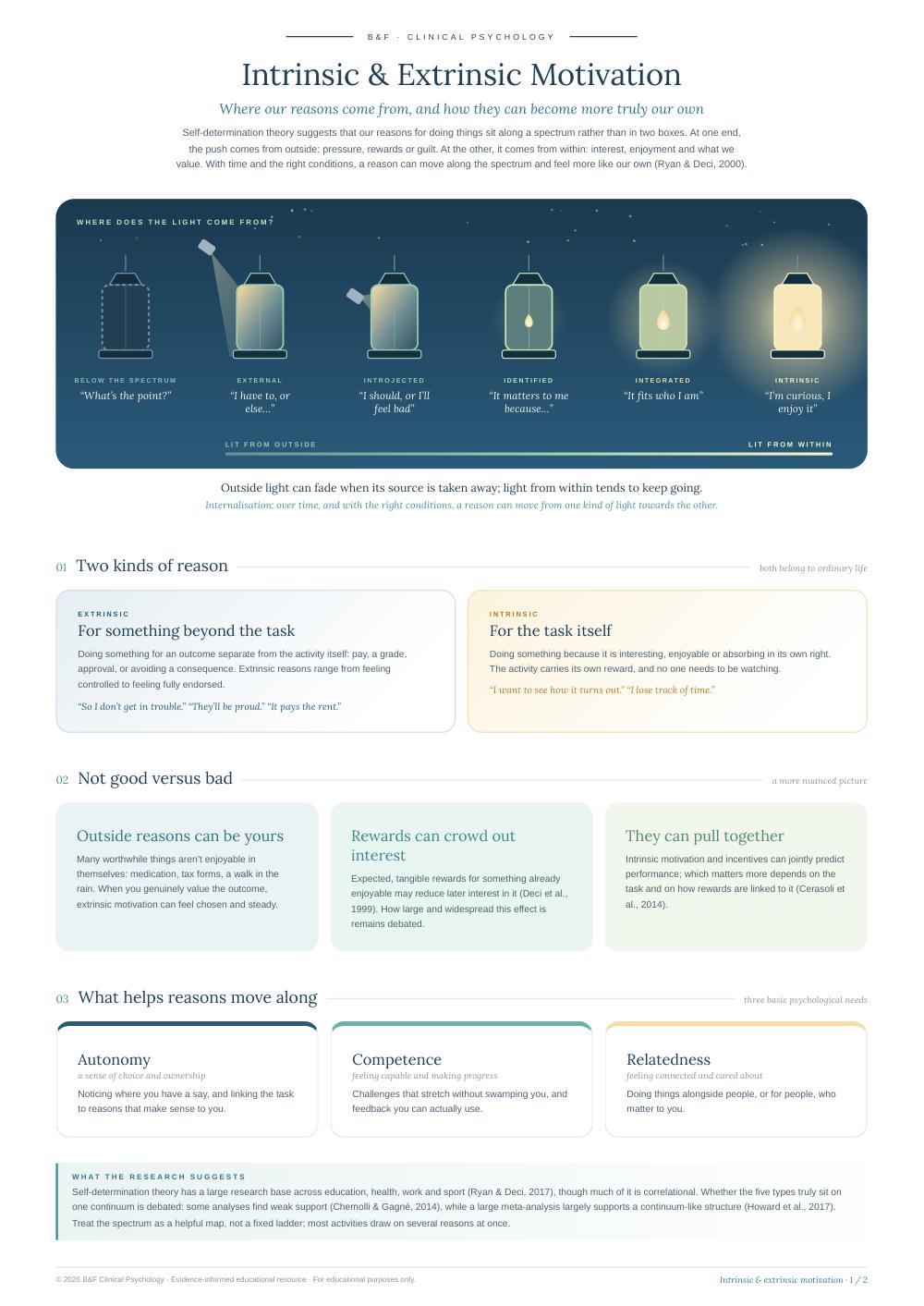
Intrinsic and extrinsic motivation
Where our reasons come from, and how they can become more truly our own.
-
 Preview
Learn
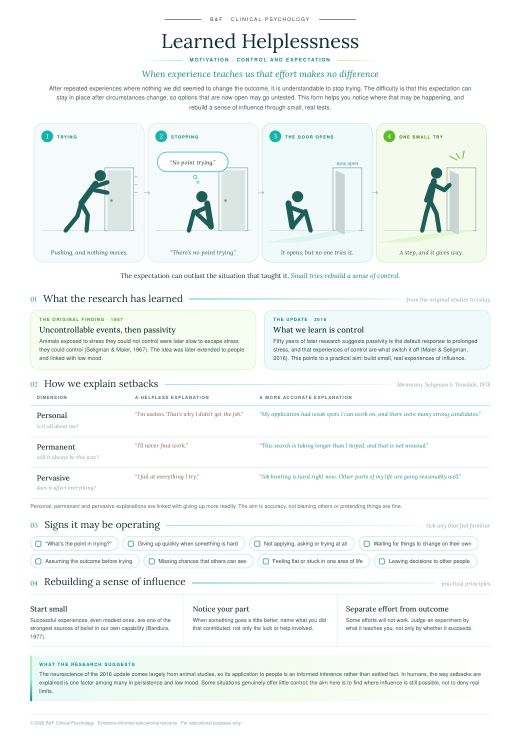
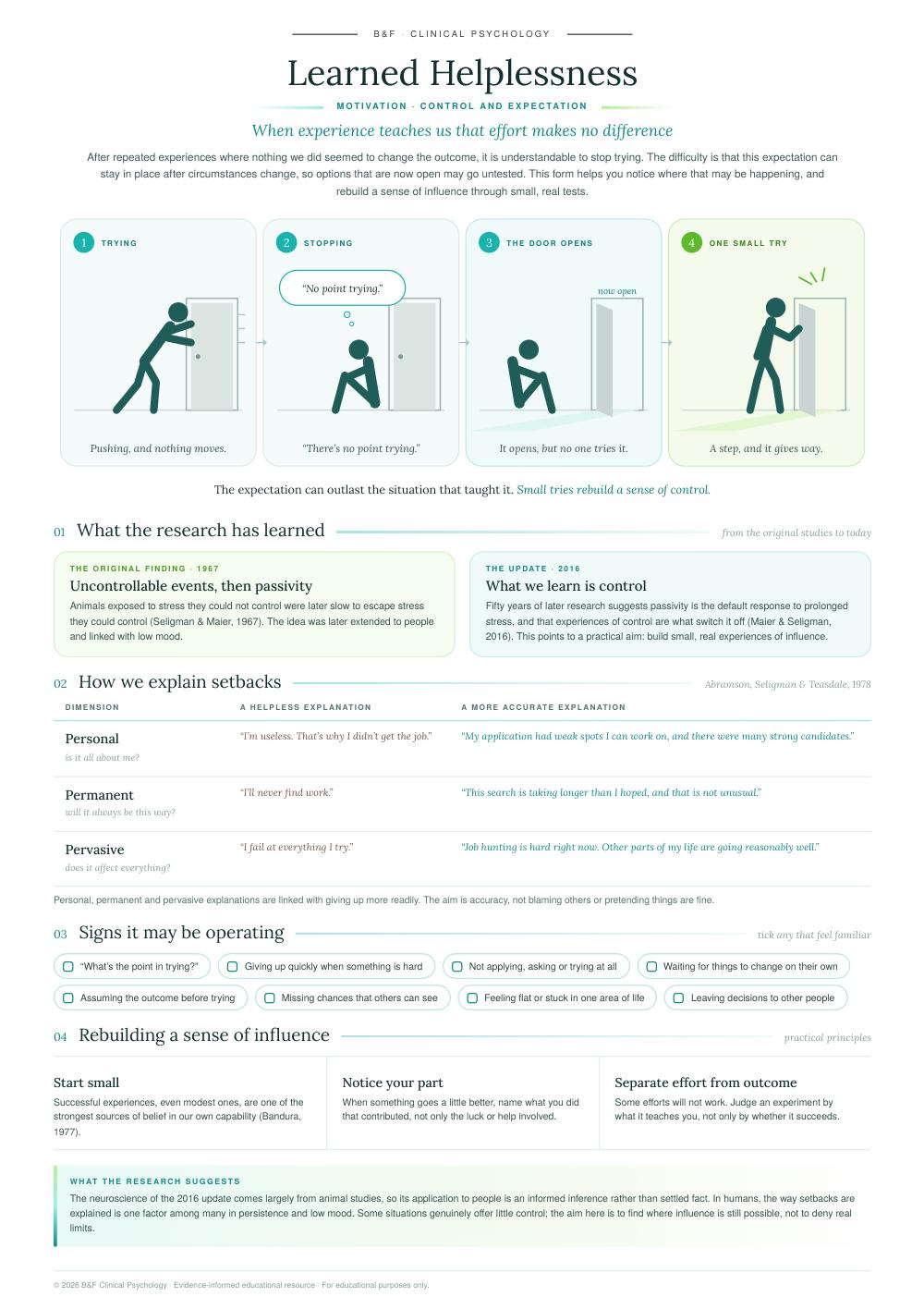
Learned helplessness
When experience teaches us that effort makes no difference.
-
 Preview
Learn
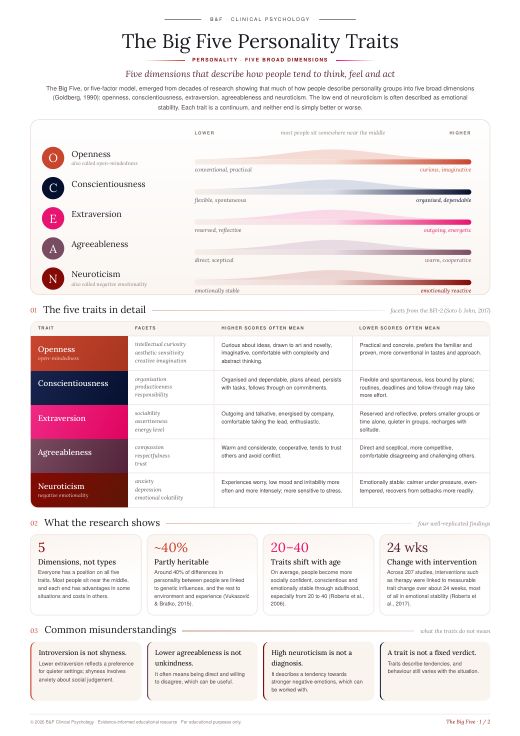
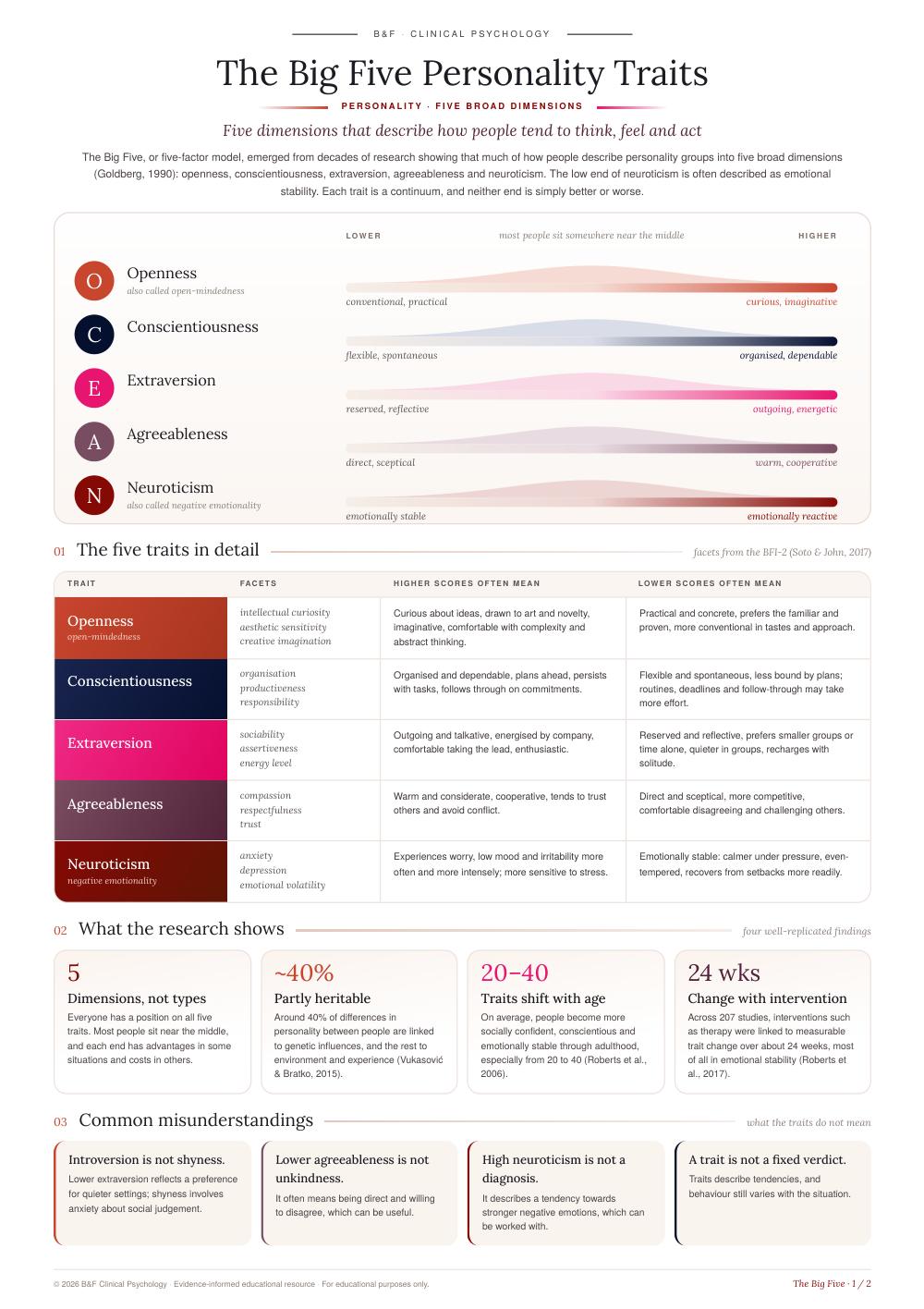
The Big Five personality traits
Five broad dimensions that describe how people tend to think, feel and act.
-
 Preview
Learn
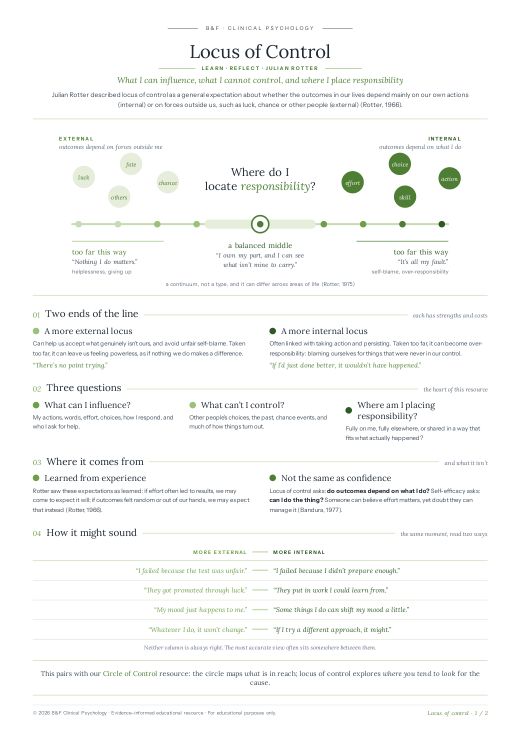
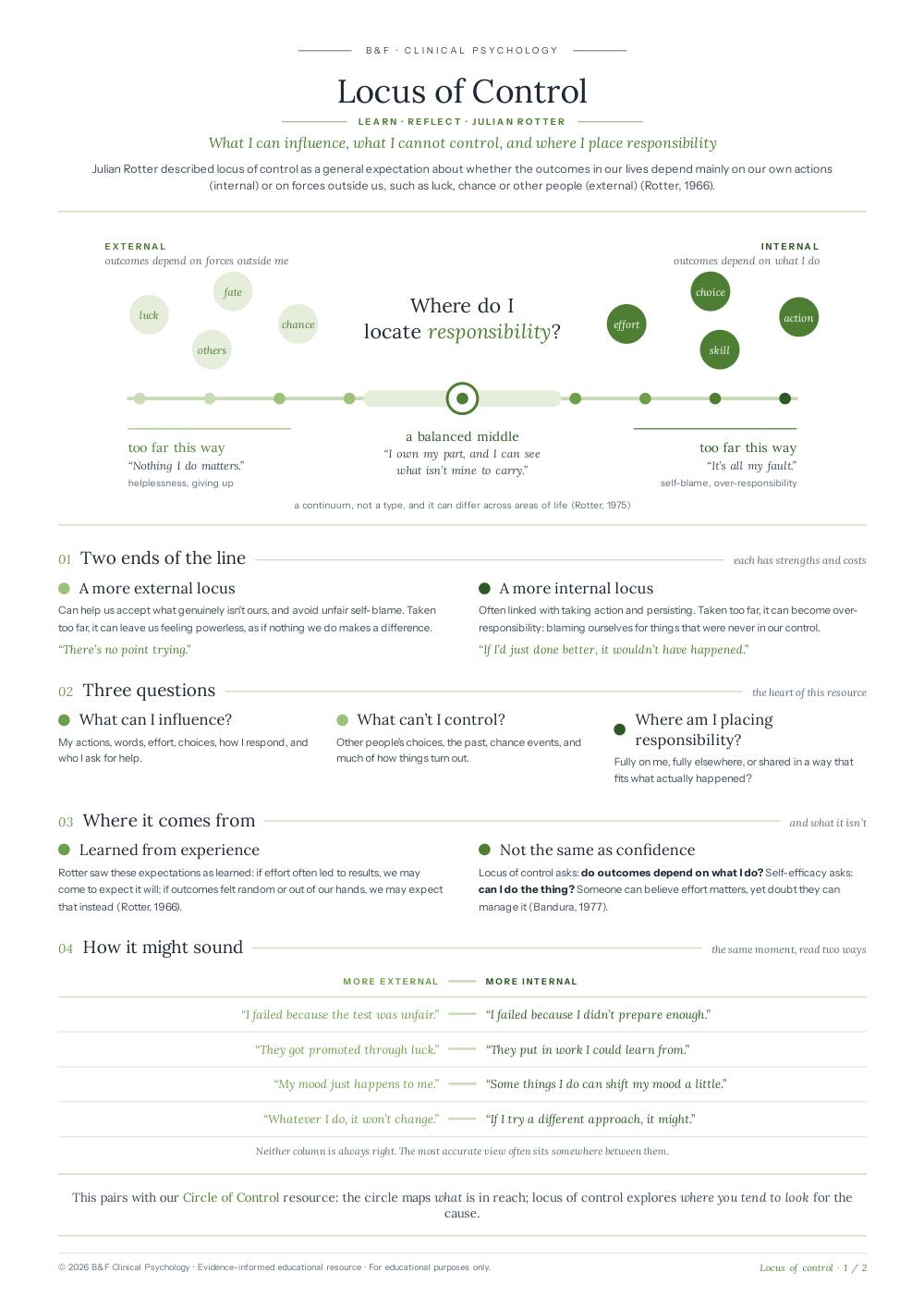
Locus of control
What I can influence, what I cannot control, and where I place responsibility.
-
 Preview
Learn
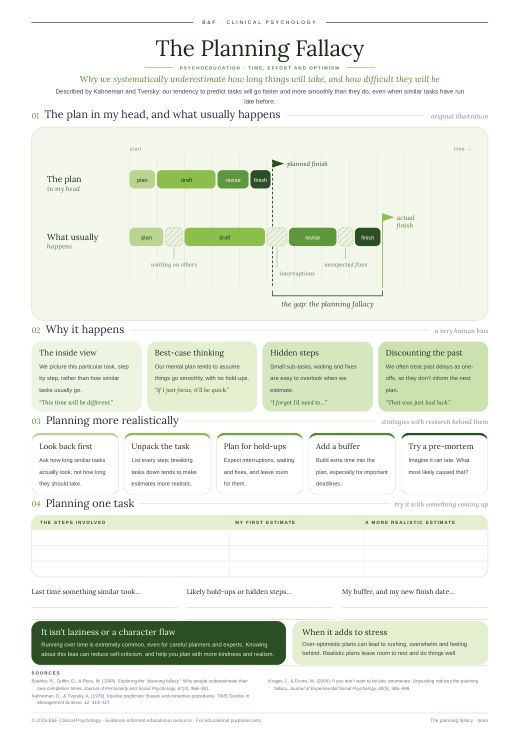
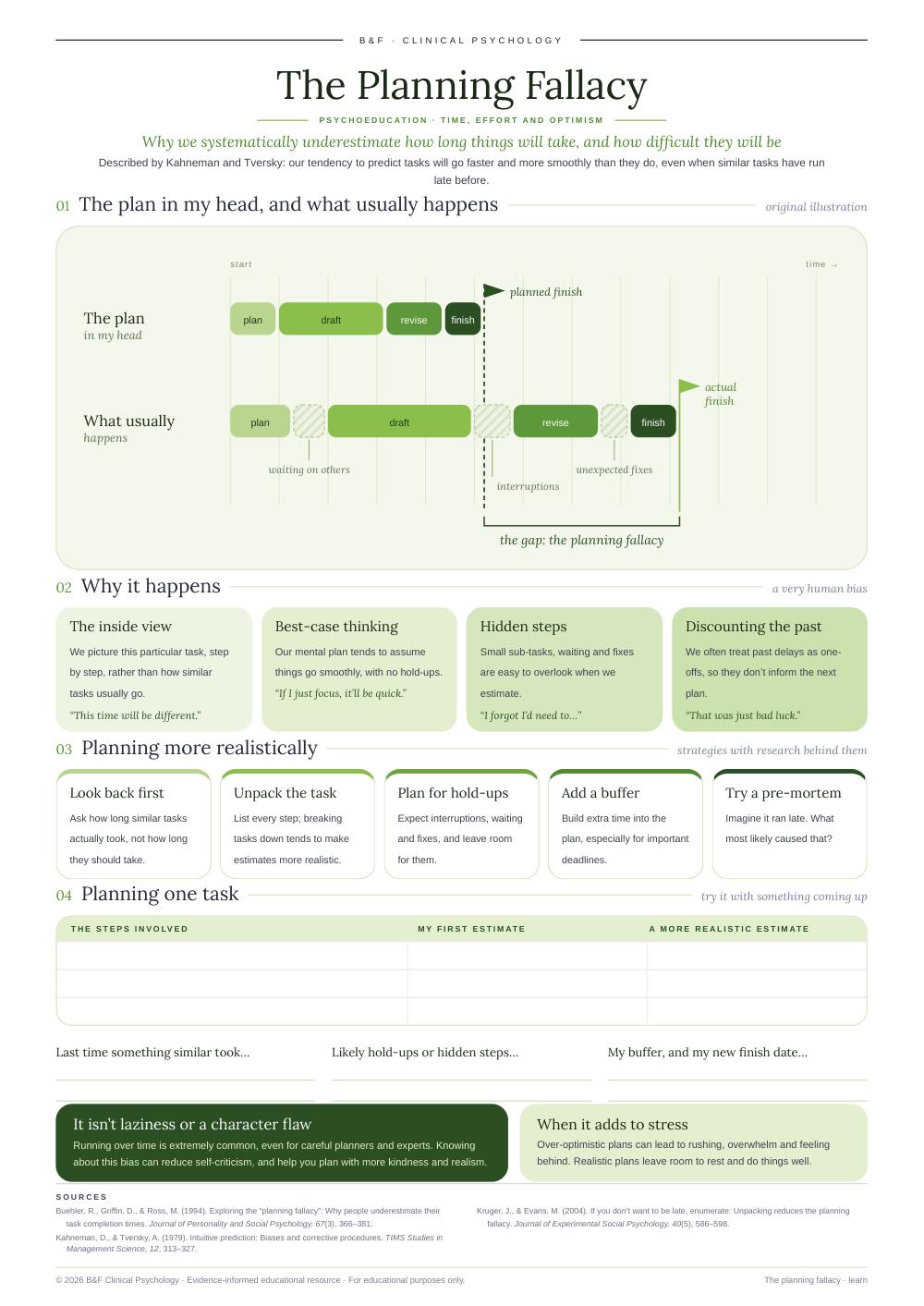
The planning fallacy
Why we underestimate how long things will take, and how hard they will be.
-
 Preview
Learn
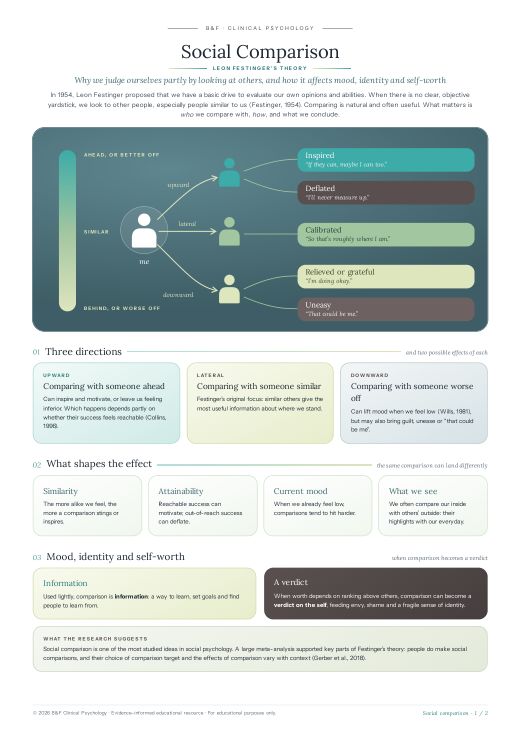
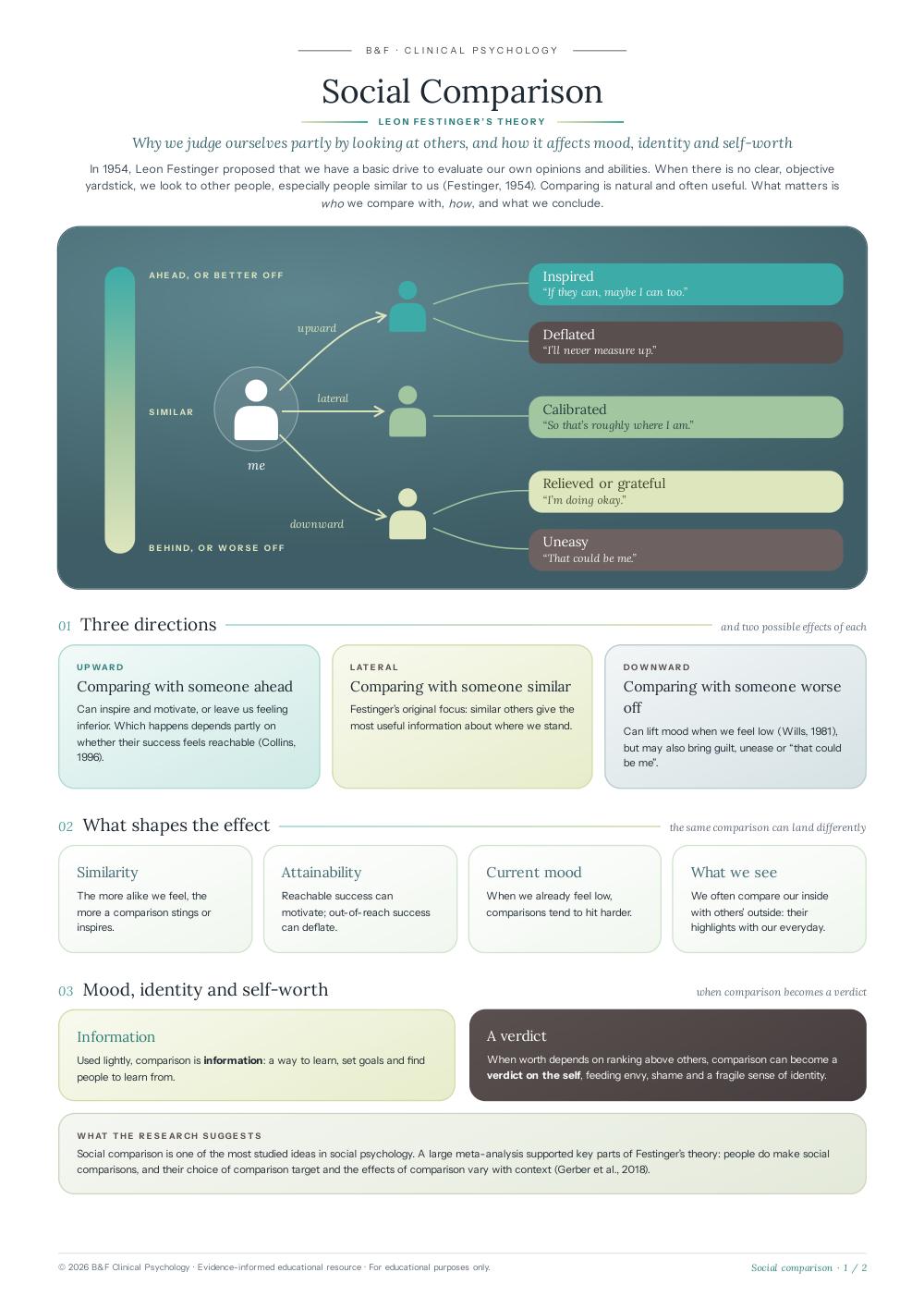
Social comparison
Why we judge ourselves partly by looking at others, and how it affects mood and self-worth.
Important Information: These resources are provided for general education and self-reflection. They do not replace individual psychological assessment, diagnosis, professional advice or therapy. Accessing, downloading or using these resources does not establish a psychologist–client relationship with Barnardt & Fleming Clinical Psychology or constitute psychological consultation or treatment. These resources may not be suitable for every individual or circumstance. If you are uncertain about their suitability, please consult a qualified healthcare professional. If you are in crisis, feel unsafe, or may harm yourself or someone else, please contact your local emergency services or go to the nearest emergency department.